A multi-purpose kitchen knife, such as a Chef’s knife or a Santoku, is an essential tool for home cooks, capable of handling 80-90% of daily chopping, slicing, and dicing tasks. These versatile blades streamline kitchen prep, reduce clutter, and enhance cooking efficiency by eliminating the need for numerous specialized tools, making them a cornerstone of any well-equipped kitchen.
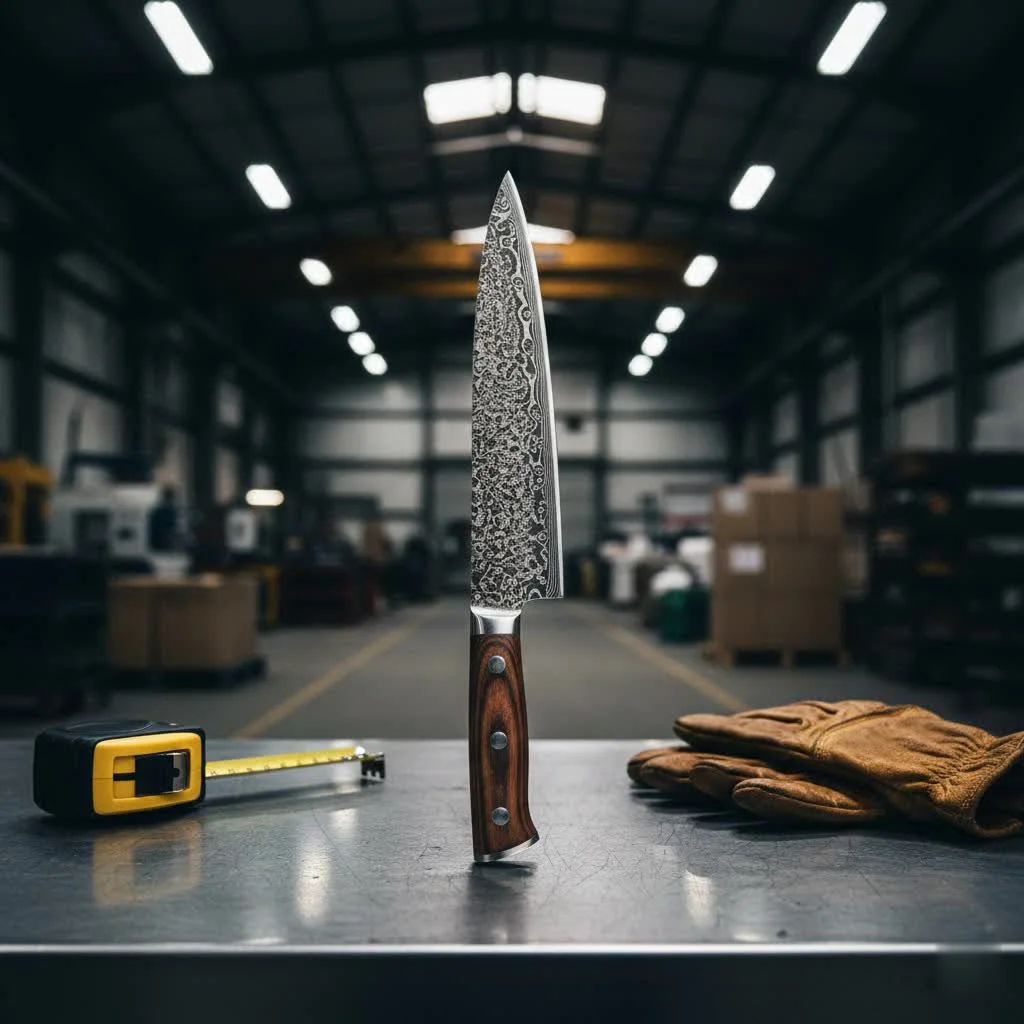
Why a Multi-Purpose Knife is Your Kitchen’s Best Friend
Imagine tackling a wide array of kitchen prep with just one, or maybe two, trusted blades. That’s the power of a quality multi-purpose kitchen knife. From swiftly dicing onions and mincing garlic to thinly slicing chicken breast or preparing delicate herbs, these knives are designed for efficiency and adaptability. They save you time and space, eliminating the need to constantly switch tools, and ultimately make you a more confident and effective cook. For many, a chef’s knife or a Santoku knife becomes an extension of their hand, enabling precision and speed. For expert kitchen knives reviews on this site.
The Two Titans: Chef’s Knife vs. Santoku
When we talk about multi-purpose kitchen knives, two dominant styles emerge: the Western-style Chef’s knife and the Japanese Santoku. Both are fantastic, but they offer distinct experiences.
The Classic Chef’s Knife
Often considered the quintessential all-purpose blade in Western kitchens, the Chef’s knife is instantly recognizable. It typically features a broad, tapered blade, usually ranging from 8 to 12 inches in length. Its most defining characteristic is the gentle curve along the blade, often referred to as a “belly.”
This curved profile is perfectly designed for the “rocking” motion beloved by many cooks. You can keep the tip on the cutting board while lifting and lowering the heel, making quick work of chopping herbs, mincing garlic, or dicing vegetables. Chef’s knives excel at a wide range of tasks, from breaking down larger cuts of meat to slicing through hearty root vegetables. Their robust construction often makes them feel substantial and powerful in hand, built to tackle a variety of ingredients with ease.
The Agile Santoku Knife
Hailing from Japan, the Santoku knife (meaning “three virtues” or “three uses”) is another superb multi-purpose option. These knives are generally shorter than Chef’s knives, often falling in the 5 to 7-inch range. What sets them apart is their straighter blade profile, often ending in a less pointed “sheep’s foot” tip, and a flatter edge. Many Santoku knives also feature a “Granton edge” – those distinctive dimples along the blade – which helps prevent food from sticking as you slice.
The Santoku is optimized for an up-and-down chopping motion or a forward-slicing technique, rather than the rocking motion of a Chef’s knife. It’s exceptional for precision work, making thin, clean slices of vegetables, fish, and smaller cuts of meat. Its lighter, thinner blade offers less resistance, making it a joy for delicate prep tasks.
Making Your Choice: Western vs. Japanese
|
Our Picks for the Best Kitchen Knife in 2026
As an Amazon Associate I earn from qualifying purchases.
|
||
| Num | Product | Action |
|---|---|---|
| 1 | Tramontina Chef\'s Knife, Plenus, 7 Inches, Black, Dishwasher Safe, Ultra Lightweight, Made in Brazil, 23426/107 TRAMONTINA |

|
| 2 | Farberware Edgekeeper 7-Inch Santoku Knife with Self-Sharpening Blade Cover, High Carbon-Stainless Steel Kitchen Knife with Ergonomic Handle, Razor-Sharp Knife, Black |
|
| 3 | HAUSHOF Steak Knives Set of 4, Sharp Serrated Steak Knives, Premium Stainless Steel Steak Knife Set with Gift Box, Black Handle |
|
| 4 | WÜSTHOF Classic 5\" Utility Knife, Black, Stainless Steel |
|
| 5 | Cuisinart, Classic® ColorCore® Collection, C77CR-10PW |
|
| 6 | HENCKELS Modernist Razor-Sharp 8-inch Carving Knife, German Engineered Informed by 100+ Years of Mastery, Gray |
|
| 7 | Shun Cutlery Premier Chef\'s Knife 8”, Thin, Light Kitchen Knife, Ideal for All-Around Food Preparation, Authentic, Handcrafted Japanese Knife, Professional Chef Knife |
|
| 8 | Mercer Culinary BPX Chef\'s Knife, 6-Inch |
|
| 9 | Shun Classic Blonde 6\" Chef\'s Knife, Handcrafted Japanese Kitchen Knife for Professional and Home Chefs, VG-MAX Core with Damascus Stainless Steel Cladding, Pakkawood Handle |
|
| 10 | Rynal Ceramic Knife - 8 inch Chef\'s Knife - Light, Precise, Sharp Ceramic Kitchen Knife with Sheath Cover |
|
Deciding between a Chef’s knife and a Santoku often comes down to personal preference in cutting style and the types of food you prepare most frequently. If you prefer a powerful rocking motion for chopping and frequently handle larger cuts, a Chef’s knife might be your best bet. If precision slicing, dicing, and working with vegetables or fish are more your style, the Santoku’s agile design will likely feel more natural. Many home cooks even find value in owning both to tackle different culinary needs!
Beyond the Blade: What Makes a Great Multi-Purpose Knife?
A truly exceptional multi-purpose kitchen knife is more than just a sharp edge; it’s a blend of design, material, and craftsmanship.
Blade Material Matters
The heart of any knife is its blade, and the material it’s made from significantly impacts its performance and maintenance.
- Stainless Steel: The most common choice, stainless steel alloys (iron with chromium, nickel, or molybdenum) are celebrated for their rust resistance and ease of maintenance. They’re generally more affordable but may not achieve quite the same razor-sharp edge as carbon steel.
- High Carbon Steel: Prized by many professional chefs for its ability to take and hold an incredibly sharp edge, high carbon steel offers superior performance. However, it requires more diligent care, being prone to rust and corrosion, especially when exposed to acidic foods.
- Damascus/Laminated Steel: These blades often feature a core of very hard, high-quality steel sandwiched between layers of softer, stainless steel. This construction offers the benefits of a hard, sharp core with the added protection and easier resharpening of the softer outer layers, often with beautiful aesthetic patterns.
Construction and Durability (Forged vs. Stamped)
How a knife is made plays a huge role in its durability and feel.
- Forged Knives: Crafted from a single piece of steel heated and hammered into shape, forged knives are typically heavier, stronger, and often feature a full tang (meaning the blade material extends all the way through the handle). This construction contributes to superior balance and resilience.
- Stamped Knives: Made by cutting a blade shape from a large sheet of steel, stamped knives are generally lighter and more affordable. While modern manufacturing has produced excellent stamped knives, they may not offer the same heft or long-term durability as their forged counterparts.
Handle with Care (Literally!)
Don’t underestimate the importance of the handle. A knife should feel comfortable and secure in your hand. Look for ergonomic designs that provide a non-slip grip. A full-tang handle, where the blade extends through the entire handle and is typically secured with rivets, is a hallmark of quality and ensures better balance and strength.
Finding Your Balance
A well-balanced knife feels like an extension of your arm, not a separate tool you’re wrestling with. When holding it where the blade meets the handle, it should feel neither blade-heavy nor handle-heavy. This balance is crucial for control and reducing fatigue during long prep sessions.
The Right Size
For an all-purpose knife, an 8-inch blade is often considered the sweet spot for most home cooks. It offers enough length and leverage for larger items like squash or roasts, while still being maneuverable for smaller tasks. If you have larger hands or prefer more reach, a 10-inch might suit you better; for smaller hands or finer work, a 6-inch can be an excellent choice.
Keeping Your Edge: Essential Care and Maintenance
Even the finest multi-purpose knife needs proper care to maintain its peak performance and longevity. Neglecting it is like buying a sports car and never changing the oil!
Cleaning Rituals (Hand Wash is King)
This is perhaps the most critical rule: Always hand wash your knives immediately after use. Dishwashers are the enemy of good knives. The high heat, harsh detergents, and jostling can dull blades, damage handles, and even cause corrosion or pitting. Use mild soap, warm water, and a soft sponge, then rinse thoroughly. If you’ve been cutting acidic foods like lemons, tomatoes, or onions, rinse your blade immediately to prevent stains and corrosion, especially if you have a high carbon steel knife. Crucially, dry your knife completely with a clean cloth immediately after washing – never let it air dry or soak in water, as this can lead to rust and water spots.
Sharpening and Honing for Peak Performance
A sharp knife is a safe knife. It glides through food with less effort, reducing the risk of slips and accidents. Regular maintenance is key.
- Honing: This is what you do with a honing steel. It realigns the microscopic edge of the blade that bends over with use, restoring its keenness. You should hone your knife frequently, even before each use, to maintain its edge.
- Sharpening: When honing no longer brings back the edge, your knife needs true sharpening, which removes a small amount of steel to create a new, fresh edge. Whetstones or pull-through sharpeners are common tools. Japanese blades often require different sharpening techniques due to their thinner, asymmetrical edges, so be mindful of your knife’s style.
- Professional Sharpening: For best results, consider having your knives professionally sharpened once or twice a year. Avoid aggressive electric sharpeners, which can remove too much material and shorten your knife’s lifespan.
Smart Storage Solutions
Proper storage protects both your knife’s edge and your fingers.
- Knife Blocks: A classic choice that keeps blades safely housed and easily accessible on your countertop.
- Magnetic Wall Strips: A great space-saving option that proudly displays your knives while keeping them off counters and out of drawers.
- Blade Covers (Sheaths) or Knife Rolls: Ideal for storing individual knives in a drawer or for transporting them safely.
- Avoid Loose Storage: Never toss knives unprotected into a drawer, as they can bang against other utensils, dulling or chipping the blade and posing a safety hazard.
Using Your Knife Wisely
Beyond care, mindful usage extends your knife’s life. Always use a good quality cutting board made of wood or plastic; glass or marble boards are too hard and will rapidly dull your blade. Use your knife for its intended purpose – it’s not a can opener, screwdriver, or hammer! Avoid cutting through bones or hard pits unless your knife is specifically designed for such tasks, as this can damage the fine edge.
Expert Insight
“A great multi-purpose knife isn’t just a tool; it’s an extension of your hand in the kitchen. Investing in a quality blade and understanding its nuances, from the steel it’s made of to how you care for its edge, transforms everyday cooking into an art form. It’s about precision, safety, and joy in every cut.” – Isabella “Bella” Rossi, Awilu.com Culinary Knife Specialist
Frequently Asked Questions
What are the main differences between a Chef’s knife and a Santoku knife?
The Chef’s knife typically has a curved blade suited for a rocking motion, ideal for general chopping and dicing, while the Santoku has a straighter edge and often dimples (Granton edge), best for an up-and-down or forward-slicing motion, particularly good for vegetables and precise cuts.
How often should I sharpen my multi-purpose knife?
While honing your knife with a steel can be done frequently (even before each use) to realign the edge, true sharpening (with a whetstone or professional service) is usually needed every few months to a year, depending on usage.
Can a multi-purpose knife really replace a whole set of kitchen knives?
For many home cooks, a high-quality multi-purpose knife (like a Chef’s or Santoku) can handle the majority of daily kitchen tasks. While specialized knives (e.g., bread knife, paring knife) are useful, one good multi-purpose blade can largely reduce the need for an extensive set.
What’s the best cutting board material for my multi-purpose knife?
Wood and plastic cutting boards are ideal as they are gentle on your knife’s edge. Avoid glass, ceramic, or marble boards, as their hardness will quickly dull your blade.
How do I know if my multi-purpose knife is dull?
A dull knife requires more force to cut, often crushes or tears food rather than slicing cleanly (e.g., squishing a tomato instead of slicing it), and can be more prone to slipping, making it less safe to use. A truly sharp knife should effortlessly slice through a piece of paper held upright.
Are more expensive multi-purpose knives always better?
Not necessarily, but quality often comes at a price. Investing in a well-made knife from a reputable brand usually means better materials, craftsmanship, and edge retention. However, there are excellent value options available that perform admirably without breaking the bank.
Can I put my multi-purpose knife in the dishwasher if it says “dishwasher safe”?
Even if a manufacturer claims a knife is “dishwasher safe,” it’s always recommended to hand wash. The harsh environment of a dishwasher can still dull the blade, damage the handle, and contribute to long-term wear and tear. Handwashing preserves your knife’s integrity.
Conclusion
Choosing and caring for the right multi-purpose kitchen knife is one of the most impactful decisions you can make for your culinary journey. Whether you lean towards the robust power of a Chef’s knife or the agile precision of a Santoku, understanding its features, how to use it, and how to maintain its razor-sharp edge will empower you in the kitchen. Embrace the efficiency, celebrate the versatility, and enjoy every confident cut. Take good care of your multi-purpose kitchen knife, and it will serve you faithfully for years, becoming an indispensable partner in creating delicious meals.
Care for Your Multi-Purpose Kitchen Knife
Proper care and maintenance are crucial for preserving the sharpness and longevity of your multi-purpose kitchen knife. Follow these steps to keep your blade in peak condition.
Always hand wash your knife immediately after each use with mild soap and warm water. Dishwashers can dull blades and damage handles due to high heat and harsh detergents. Rinse thoroughly to remove all food particles and soap.
Crucially, dry your knife completely with a clean cloth immediately after washing. Never let it air dry or soak in water, as this can lead to rust, water spots, and corrosion, especially on high carbon steel blades.
Use a honing steel frequently, even before each use, to realign the microscopic edge of the blade. This maintains its keenness and reduces the need for frequent sharpening. Hold the knife at a consistent angle against the steel.
When honing no longer restores the edge, your knife needs true sharpening. Use a whetstone or a pull-through sharpener, or consider professional sharpening once or twice a year. Avoid aggressive electric sharpeners that remove too much material.
Store your knife in a knife block, on a magnetic wall strip, or with blade covers/sheaths in a drawer. Never toss knives unprotected into a drawer, as this can dull or chip the blade and poses a safety hazard.
Cooking gear we tested in our own kitchens
Free PDF — preheat times measured on 10 popular air fryers.

My kitchen used to be cluttered with so many different knives, but this guide convinced me to invest in a quality multi-purpose knife. It’s amazing how much more efficient my cooking has become. Thinly slicing vegetables is a breeze, and I’m not constantly switching tools anymore. Definitely a cornerstone of my kitchen now.
I got a new multi-purpose knife hoping it would really cut down on my need for other tools. While it’s good for general chopping, I still find myself reaching for a smaller paring knife for delicate herbs. It’s a decent knife, but maybe not the ‘one knife to rule them all’ I was hoping for.
I’ve always been a Chef’s knife guy, but I decided to try a Santoku after seeing it mentioned for its versatility. It’s great for slicing chicken breast thinly, and the dimples really do help with food release. It’s not quite my go-to for everything, but it’s a solid addition and definitely streamlines some of my prep.
I finally upgraded my old knife set with a good quality Chef’s knife after reading about how much a difference it makes. Seriously, it’s a game changer! Dicing onions and mincing garlic is so much faster now, and it feels incredibly balanced in my hand. I can see why they say it handles 80-90% of tasks.