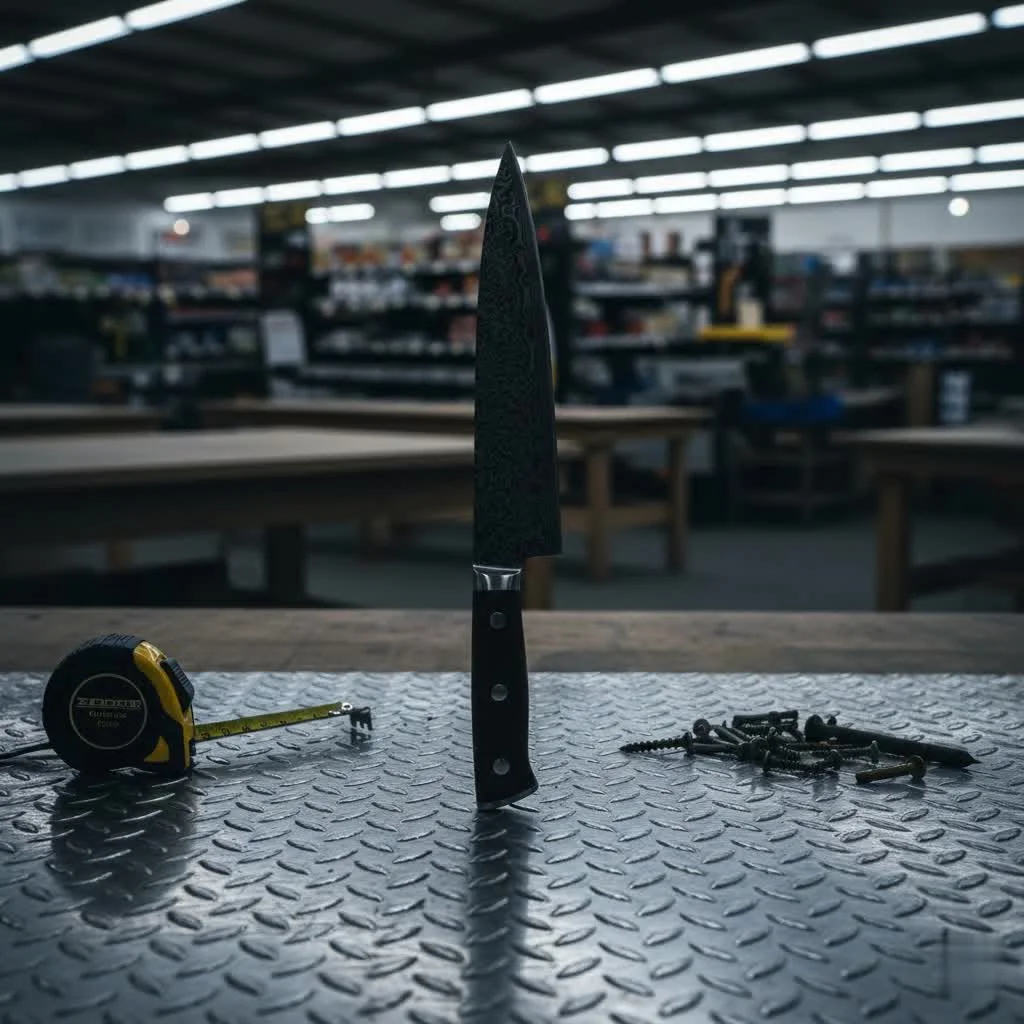
A dedicated camping kitchen knife is essential for outdoor cooking, offering enhanced safety, efficiency, and durability compared to standard kitchen knives or general-purpose survival blades. Unlike typical kitchen knives designed for controlled environments, camping kitchen knives are engineered to withstand the unique challenges of outdoor settings, such as uneven surfaces, moisture, and limited cleaning facilities. They feature specific designs like full-tang construction, rust-resistant high-carbon stainless steel, and ergonomic, slip-resistant handles to ensure optimal performance and safety in the wilderness.
Why a Dedicated Camping Kitchen Knife?
You might be thinking, “Can’t I just grab one of my everyday kitchen knives?” And while technically you can cut with anything, a true camping kitchen knife is engineered for the unique challenges of the great outdoors. It’s a different beast entirely from your average kitchen workhorse or even a general-purpose survival blade.
Beyond the Bushcraft Blade: A Culinary Focus
When we talk about “camping knives,” many people picture a heavy-duty survival knife designed for batoning wood or building shelters. But a camping kitchen knife has a singular, crucial mission: to excel at food preparation in an outdoor environment. It’s about precision slicing, efficient chopping, and safe handling, even when conditions are far from ideal. While survival knives focus on robustness for survival tasks, a kitchen-specific camping knife prioritizes cutting performance for ingredients.
The “Chaos” Factor: Why Regular Kitchen Knives Fall Short Outdoors
Imagine your pristine home kitchen: flat, stable countertops, easy access to running water, and a controlled environment. Now contrast that with a campsite: uneven surfaces, potential moisture, dirt, and limited cleaning facilities. A typical kitchen knife, designed for these controlled conditions, will quickly show its weaknesses. Blades can dull faster on improvised cutting boards, handles can become slippery with grease or water, and many aren’t built to withstand the humidity or occasional knocks of camp life. A true camping kitchen knife anticipates this “chaos,” offering features that ensure safety, efficiency, and durability where a standard blade would falter.
A camping cooking knife is a specialized kitchen knife made for camping uses. An ideal camping knife is built to withstand harsh outdoor conditions and handle multiple cutting tasks.
Key Traits of a Superior Camping Kitchen Knife
Choosing the right blade means understanding the characteristics that make it truly shine in the wild.
Blade Material: Stainless Steel vs. Carbon Steel
The heart of any knife is its blade. For camping kitchen knives, you’ll typically encounter two main contenders:
- Stainless Steel: This is often the go-to for outdoor cooking because of its excellent rust and corrosion resistance. It’s low-maintenance, which is a huge plus when you don’t have a full sink for immediate washing. While it might not hold an edge quite as long as carbon steel, modern stainless alloys can be very sharp and durable. Look for grades like AUS-8 or 7Cr17MoV.
- Carbon Steel: Prized by many for its superior edge retention and ability to achieve a razor-sharp edge. If you prioritize sharpness above all else and are diligent about maintenance, carbon steel is fantastic. However, it’s highly susceptible to rust and requires immediate cleaning and oiling after every use to prevent corrosion.
The Sweet Spot: High-Carbon Stainless Steel. Many top camping kitchen knives combine the best of both worlds, offering the edge-holding capability of carbon steel with enhanced corrosion resistance. This is often the most practical choice for diverse outdoor conditions.
Construction and Durability: The Power of Full-Tang
|
Our Picks for the Best Kitchen Knife in 2026
As an Amazon Associate I earn from qualifying purchases.
|
||
| Num | Product | Action |
|---|---|---|
| 1 | HAUSHOF Steak Knives Set of 4, Sharp Serrated Steak Knives, Premium Stainless Steel Steak Knife Set with Gift Box, Black Handle |

|
| 2 | Tramontina Chef\'s Knife, Plenus, 7 Inches, Black, Dishwasher Safe, Ultra Lightweight, Made in Brazil, 23426/107 TRAMONTINA |
|
| 3 | Rynal Ceramic Knife - 8 inch Chef\'s Knife - Light, Precise, Sharp Ceramic Kitchen Knife with Sheath Cover |
|
| 4 | WÜSTHOF Classic 5\" Utility Knife, Black, Stainless Steel |
|
| 5 | Shun Cutlery Premier Chef\'s Knife 8”, Thin, Light Kitchen Knife, Ideal for All-Around Food Preparation, Authentic, Handcrafted Japanese Knife, Professional Chef Knife |
|
| 6 | Shun Classic Blonde 6\" Chef\'s Knife, Handcrafted Japanese Kitchen Knife for Professional and Home Chefs, VG-MAX Core with Damascus Stainless Steel Cladding, Pakkawood Handle |
|
| 7 | Cuisinart, Classic® ColorCore® Collection, C77CR-10PW |
|
| 8 | Mercer Culinary BPX Chef\'s Knife, 6-Inch |
|
| 9 | HENCKELS Modernist Razor-Sharp 8-inch Carving Knife, German Engineered Informed by 100+ Years of Mastery, Gray |
|
| 10 | Farberware Edgekeeper 7-Inch Santoku Knife with Self-Sharpening Blade Cover, High Carbon-Stainless Steel Kitchen Knife with Ergonomic Handle, Razor-Sharp Knife, Black |
|
Durability is non-negotiable for a camping knife. The most robust construction you can find is full-tang, meaning the blade extends in one solid piece all the way through the handle. This provides maximum strength, stability, and balance, ensuring the knife won’t snap or bend under stress during tough tasks like chopping root vegetables or carving meat. A fixed blade design (non-folding) further enhances this strength, making it generally sturdier and easier to clean than a folding knife for heavy-duty kitchen tasks.
Blade Design: Versatility is Key
In a minimalist camp kitchen, versatility is your best friend. You can’t carry a full knife block, so your chosen blade needs to handle a variety of tasks.
- Length: A mid-size blade, typically 4.5 to 6 inches, strikes a perfect balance. It’s large enough for slicing melons or chopping cabbages but small enough for precise work and easy packing. Blades that are too large (like a full-sized butcher knife) can be cumbersome, while paring knives alone are too small for general prep.
- Shape: Look for versatile designs reminiscent of a chef’s knife or Santoku-style blade. A slightly curved belly allows for rocking cuts, while a straight edge is good for chopping. Some trailing point blades can also be excellent for fine slicing. Avoid overly thick blades or those with saber/scandi grinds, as these are poor for slicing delicate foods like tomatoes.
- Edge Type: A straight, non-serrated edge is generally preferred for a primary kitchen knife. It provides cleaner cuts and, crucially, is much easier to sharpen in the field.
- Thinness: A blade with a spine thickness of 1.5 to 3 mm (around 3/32 inch) offers superior slicing capability, which is vital for efficient food prep.
Handle & Grip: Safety First in the Wild
Your hands can be wet, greasy, or gloved in the outdoors, making a secure grip paramount for safety.
- Ergonomics: An ergonomically designed handle that fits comfortably in your hand reduces fatigue during extended use.
- Material: Materials like textured rubber, synthetic polymers, or dense, oiled wood provide a firm, slip-resistant grip, even when wet. Avoid smooth, polished handles that can become dangerous.
- Finger Guard: A pronounced finger guard adds an extra layer of protection, preventing your hand from slipping onto the blade.
“In the backcountry, every cut counts,” says Awilu’s Lead Knife Expert, Isabella Rossi. “Your knife’s handle isn’t just about comfort; it’s a critical safety feature that ensures control whether you’re slicing slippery fish or chopping on an unstable surface. A secure grip prevents accidents, allowing you to focus on the joy of cooking.”
Portability & Protection: The Essential Sheath
A great camping kitchen knife isn’t much good if it’s rattling around your gear, posing a safety risk, or getting damaged.
- Compact & Lightweight: Especially for backpacking, consider the overall weight and dimensions.
- Protective Sheath: An essential accessory. A well-fitting sheath protects the blade from damage and, more importantly, protects you and your gear from accidental cuts during transport and storage. Look for durable materials like Kydex or sturdy leather.
Ease of Maintenance
Outdoor environments can be tough on tools. Your camping kitchen knife should be relatively easy to clean and maintain with limited resources. Rust-resistant materials and simple designs contribute significantly to this.
Choosing Your Perfect Outdoor Culinary Companion
With these traits in mind, let’s refine your selection process.
Consider Your Camping Style
- Backpacking: Every ounce matters. You might prioritize a slightly smaller, lighter knife or even a carefully chosen multi-tool with a good blade.
- Car Camping/RVing: You have more leeway for size and can opt for a slightly larger, more robust chef’s knife or a small set if space permits.
- Types of Meals: If you’re mainly slicing cheese and sausage, a simple utility knife might suffice. If you plan elaborate stews or fresh-caught fish, you’ll want a more capable and versatile blade.
What to Look for in Blade Size and Shape
For a general-purpose camping kitchen knife, aim for a 5-6 inch blade with a shape that allows for both slicing and chopping, like a modified chef’s or Santoku profile. This is your primary workhorse for most vegetable prep, meat slicing, and general tasks.
If your outdoor culinary adventures include specialized tasks, you might consider:
- Paring/Utility Knife: A smaller (3-4 inch) fixed blade is excellent for delicate tasks like peeling, coring, or fine mincing.
- Fillet Knife: If fresh fish is a regular on your menu, a thin, flexible fillet knife will make quick work of cleaning your catch.
a good camping kitchen knife is about finding the sweet spot between size, versatility, and durability for your specific outdoor cooking needs.
Mastering the Art of Care: Keeping Your Camping Kitchen Knife Prime
Even the best knife needs a little love to perform optimally and last for years of adventures.
Immediate Cleaning for Longevity
The single most important maintenance step is cleaning your knife immediately after each use. Food particles, sap, dirt, and moisture are the enemies of a keen edge and a rust-free blade.
- Use clean water and a soft cloth to wipe down the blade and handle thoroughly.
- For stubborn grime, a little soapy water is fine, but ensure you rinse it completely and dry it immediately and thoroughly afterward. Never leave your knife to air dry or sit wet.
Rust Prevention in Humid Environments
Even stainless steel can rust under persistent damp conditions.
- Dry, Dry, Dry: This cannot be stressed enough. After cleaning, ensure every part of the knife is bone dry.
- Oil Application: For an extra layer of protection, especially with carbon steel or in humid climates, apply a thin layer of food-safe mineral oil to the blade before storing. This creates a barrier against moisture.
Sharpening: A Keen Edge is a Safe Edge
A sharp knife is not only more efficient but also significantly safer. A dull blade requires more force, increasing the risk of slips and accidents.
- Regular Sharpening: Check your knife’s sharpness regularly and sharpen it as needed.
- Correct Technique: Use a compact, portable sharpening tool like a guided field sharpener with ceramic rods or diamond plates. Practice your sharpening technique at home to ensure you maintain the correct angle (typically 18-20 degrees for kitchen knives) and achieve a consistent edge.
- Honing: Between sharpenings, use a honing rod or strop to realign the edge and keep it performing at its best.
Proper Storage for Protection
How you store your knife is crucial for both its edge and your safety.
- Sheathed: Always store your camping kitchen knife in its protective sheath. This prevents the blade from dulling against other gear and protects you from accidental cuts.
- Environment: Avoid storing the knife in damp areas or exposing it to direct sunlight or high heat, which can damage the handle materials or affect the steel’s temper.
Using Your Knife Wisely
A camping kitchen knife is designed for culinary tasks. While it’s robust, it’s not a pry bar, a screwdriver, or an axe. Using your knife for unintended purposes can damage the blade, compromise its integrity, and potentially void any warranty. Invest in a separate multi-tool or appropriate bushcraft knife for those non-culinary tasks.
Frequently Asked Questions About Camping Kitchen Knives
Q: Can I use my regular kitchen knife for camping?
A: While you technically can use it, a regular kitchen knife isn’t designed for the harsh, unpredictable, and often dirty conditions of camping. It lacks the durability, rust resistance, and secure grip needed for safe and efficient outdoor food preparation, making a dedicated camping kitchen knife a much better and safer choice.
Q: What’s the ideal blade length for a camping kitchen knife?
A: A blade length between 4.5 to 6 inches is generally considered ideal. This size offers enough versatility for most cutting, slicing, and chopping tasks while remaining compact and easy to pack and control.
Q: Is a folding camping kitchen knife a good option?
A: For light tasks and ultimate portability, a good quality folding knife can work. However, for heavier food prep tasks, a fixed blade knife with full-tang construction is generally preferred due to its superior strength, stability, and ease of cleaning, especially with wet or greasy hands.
Q: How often should I sharpen my camping knife?
A: The frequency depends on how often you use it and the materials you’re cutting. It’s best to check its sharpness regularly before each trip or significant cooking session. A good rule of thumb is to sharpen it when you notice it requires more force to cut or begins to tear rather than slice. Frequent honing between sharpenings can extend the time between full sharpening sessions.
Q: What’s the best way to clean a camping kitchen knife after use?
A: The best way is to clean it immediately after use with clean water and a soft cloth, removing all food particles and debris. If necessary, use a small amount of mild soap, then rinse thoroughly and, most importantly, dry the knife completely with a clean cloth before storing it in its sheath. This prevents rust and maintains hygiene.
Happy Cooking in the Great Outdoors!
Equipping yourself with the right camping kitchen knife can truly improve your outdoor culinary adventures. By understanding the key features, choosing wisely based on your needs, and committing to proper care, you’ll have a reliable, safe, and efficient tool that will serve you faithfully for years to come. So go ahead, explore the wilderness, and create unforgettable meals under the open sky. We at Awilu.com are always here to help you stay sharp and safe on all your adventures. What culinary delights will you whip up on your next camping trip? Share your experiences and recipes with us!
Frequently Asked Questions
Why is a dedicated camping kitchen knife better than a regular kitchen knife?
A dedicated camping kitchen knife is superior because it's specifically designed for the harsh, unpredictable conditions of outdoor environments. It offers enhanced durability, rust resistance, and a secure grip, which are crucial for safe and efficient food preparation where regular kitchen knives would falter.
What is the ideal blade length for a versatile camping kitchen knife?
The ideal blade length for a versatile camping kitchen knife is typically between 4.5 to 6 inches. This size provides sufficient versatility for most cutting, slicing, and chopping tasks while remaining compact and easy to pack and control in an outdoor setting.
Are folding camping kitchen knives suitable for heavy food prep?
For heavy food preparation tasks, a fixed blade camping kitchen knife with full-tang construction is generally preferred over a folding knife. Fixed blades offer superior strength, stability, and are easier to clean, especially when dealing with wet or greasy ingredients, making them safer and more efficient for demanding culinary tasks.
How often should I sharpen my camping kitchen knife for optimal performance?
You should check your camping kitchen knife's sharpness regularly, ideally before each trip or significant cooking session. Sharpen it when you notice it requires more force to cut or begins to tear food. Frequent honing between sharpening sessions can help maintain the edge and extend the time between full sharpenings.
What is the most effective way to clean a camping kitchen knife after use?
The most effective way to clean a camping kitchen knife is immediately after use with clean water and a soft cloth to remove all food particles and debris. If necessary, use a small amount of mild soap, then rinse thoroughly and, most importantly, completely dry the knife with a clean cloth before storing it in its sheath to prevent rust and maintain hygiene.
How to Care for Your Camping Kitchen Knife
Proper care ensures your camping kitchen knife remains sharp, safe, and durable for many outdoor adventures.
Wipe down the blade and handle thoroughly with clean water and a soft cloth right after each use. For stubborn grime, use a little soapy water, but ensure you rinse it completely and dry it immediately and thoroughly afterward to prevent rust and maintain hygiene.
Ensure every part of the knife is bone dry after cleaning, especially in humid environments. For an extra layer of protection, particularly with carbon steel, apply a thin layer of food-safe mineral oil to the blade before storing to create a barrier against moisture.
Check your knife's sharpness regularly and sharpen it as needed using a compact, portable sharpening tool. Practice maintaining the correct angle, typically 18-20 degrees for kitchen knives, to achieve a consistent and safe edge. Honing between sharpenings helps realign the edge.
Always store your camping kitchen knife in its protective sheath to prevent the blade from dulling against other gear and to protect yourself from accidental cuts. Avoid storing the knife in damp areas or exposing it to direct sunlight or high heat, which can damage materials.
Remember that your camping kitchen knife is designed for culinary tasks, not as a pry bar, screwdriver, or axe. Using it for unintended purposes can damage the blade, compromise its integrity, and potentially void any warranty. Invest in separate tools for non-culinary tasks.
Cooking gear we tested in our own kitchens
Free PDF — preheat times measured on 10 popular air fryers.
This really hit home for me. I’ve always struggled with keeping my knives clean and sharp when I’m out in the wilderness. The point about limited cleaning facilities and moisture really resonated. Having a blade specifically designed for those conditions, like the ones discussed, makes a huge difference. No more worrying about my knife rusting after one trip!
I appreciate the emphasis on durability and safety for outdoor cooking. I got a knife with a slip-resistant handle, which is great, but I found the blade dulled a bit quicker than I expected after a few uses. Maybe I need to invest in a portable sharpener too. It’s still better than a regular kitchen knife, but not quite perfect.
I picked up a camping kitchen knife after reading about the benefits of ergonomic, slip-resistant handles. It’s definitely a huge improvement over my old multi-tool for chopping veggies. The only reason I’m not giving it 5 stars is that I wish there were more specific brand recommendations for different price points. Still, it’s a solid investment for anyone serious about outdoor cooking.
I used to just bring an old chef’s knife from home for camping, and it was always a disaster. This guide really highlighted why a dedicated camping kitchen knife is so important. The full-tang construction and rust-resistant high-carbon stainless steel mentioned here are game changers. My new knife makes meal prep at the campsite so much safer and easier, even on uneven surfaces.