As someone who’s spent over fifteen years immersed in the world of kitchen knives, I can tell you there’s nothing quite like the feeling of a truly exceptional chef knife in your hand. It’s not just a tool; it’s an extension of your culinary passion, a partner that transforms mundane prep work into an absolute joy. Here at Awilu, we believe every home cook and professional deserves to experience that, and finding the best kitchen chef knife is the first step on that delicious journey.
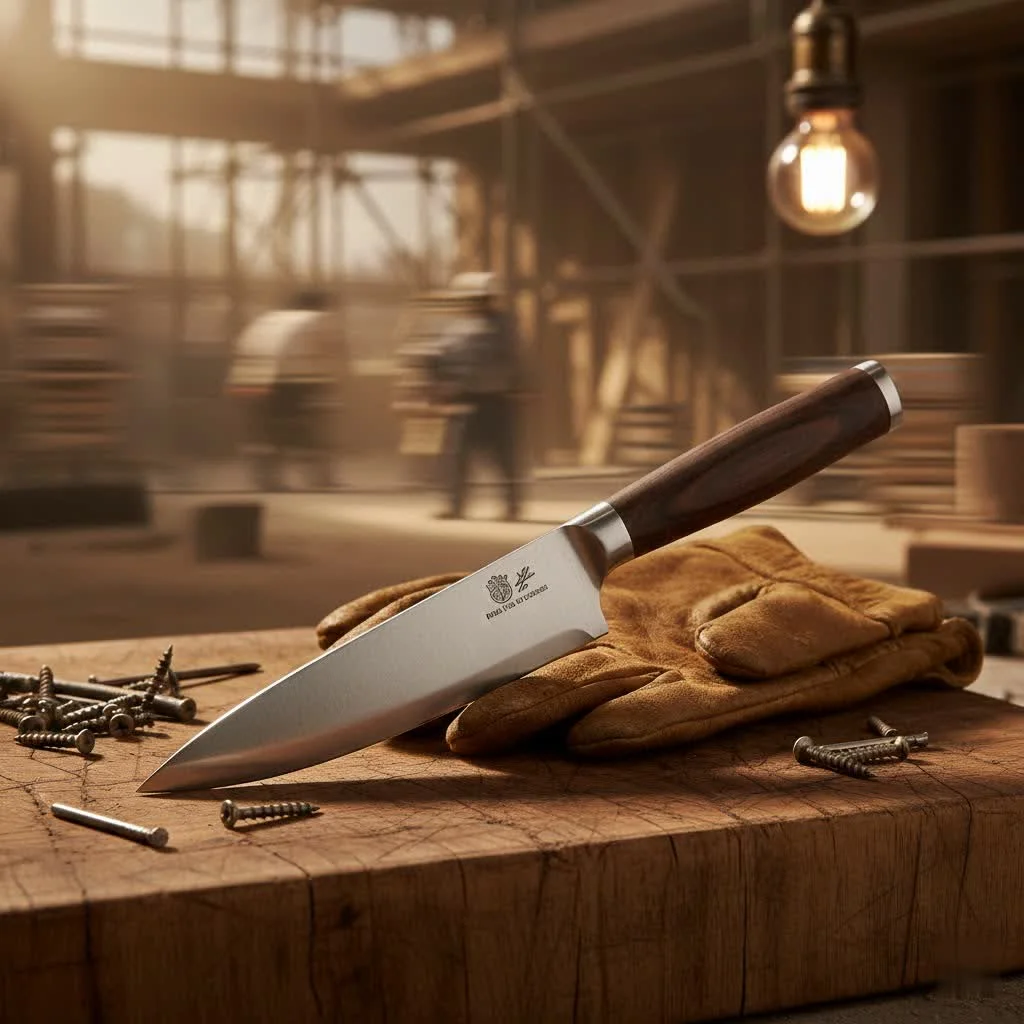
Forget the endless clutter of specialty knives you barely touch. The chef knife is the true workhorse of any kitchen, the one blade you’ll reach for 90% of the time. It dices, slices, chops, and minces with grace and efficiency. But with countless options on the market, how do you cut through the noise to find your perfect match? Let’s dive in.
German vs. Japanese: Understanding the Two Major Philosophies
When we talk about the best kitchen chef knife, we often find ourselves discussing two dominant traditions: German and Japanese. These aren’t just geographical distinctions; they represent fundamentally different approaches to knife making and culinary style.
The Robust Power of German Chef Knives
Think of German chef knives, like those from Wüsthof or Zwilling J.A. Henckels, as the dependable, strong workhorses of the kitchen. They typically feature:
- Heavier Build: German knives often feel more substantial in hand, providing a sense of power and control.
- Curved Belly: The blade has a pronounced curve, ideal for the classic “rocking” chop motion, perfect for quickly mincing herbs or dicing vegetables.
- Softer Steel: Generally made from high-carbon stainless steel with a Rockwell hardness of 56-58 HRC. This makes them incredibly durable, less prone to chipping, and easier to sharpen, though they may require more frequent honing to maintain their edge.
- Thicker Blade Profile: These knives are built to withstand heavy use and can handle tougher tasks like breaking down a chicken or slicing through hard root vegetables with ease.
They are the epitome of a resilient, all-purpose kitchen tool, designed for comfort during long prep sessions and built to last generations.
The Precision and Finesse of Japanese Chef Knives
Japanese chef knives, exemplified by brands like Shun, Global, or Miyabi, are all about precision, sharpness, and a refined cutting experience. Key characteristics include:
- Lighter and Thinner Blades: Japanese knives are often noticeably lighter and thinner, allowing for incredibly precise cuts and reducing fatigue.
- Harder Steel: Typically made from harder steel (often 60-61 HRC or even higher), which allows for a much finer, sharper edge that holds its keenness for longer. However, this harder steel can be more brittle and prone to chipping if misused.
- Straighter Blade Profile: While some Japanese chef knives have a slight curve, many, especially Santokus, feature a flatter profile, making them excellent for the “push/pull” cut, emphasizing clean, direct slicing.
- Sharper Edge Angle: Japanese knives often have a steeper blade angle (typically 10-15 degrees per side) compared to German knives (20-22 degrees per side), contributing to their legendary sharpness.
If you value razor-sharp precision and a delicate touch, a Japanese chef knife might be your ideal companion.
Beyond the Blade: Key Features to Look for in a Best Kitchen Chef Knife
Choosing the best kitchen chef knife goes beyond just brand or country of origin. Several critical features determine a knife’s performance and suitability for your hands and cooking style.
Blade Material and Hardness: The Edge of Excellence
|
Our Picks for the Best Kitchen Knife in 2026
As an Amazon Associate I earn from qualifying purchases.
|
||
| Num | Product | Action |
|---|---|---|
| 1 | HENCKELS Modernist Razor-Sharp 8-inch Carving Knife, German Engineered Informed by 100+ Years of Mastery, Gray |

|
| 2 | WÜSTHOF Classic 5\" Utility Knife, Black, Stainless Steel |
|
| 3 | Cuisinart, Classic® ColorCore® Collection, C77CR-10PW |
|
| 4 | Tramontina Chef\'s Knife, Plenus, 7 Inches, Black, Dishwasher Safe, Ultra Lightweight, Made in Brazil, 23426/107 TRAMONTINA |
|
| 5 | Mercer Culinary BPX Chef\'s Knife, 6-Inch |
|
| 6 | Rynal Ceramic Knife - 8 inch Chef\'s Knife - Light, Precise, Sharp Ceramic Kitchen Knife with Sheath Cover |
|
| 7 | HAUSHOF Steak Knives Set of 4, Sharp Serrated Steak Knives, Premium Stainless Steel Steak Knife Set with Gift Box, Black Handle |
|
| 8 | Shun Classic Blonde 6\" Chef\'s Knife, Handcrafted Japanese Kitchen Knife for Professional and Home Chefs, VG-MAX Core with Damascus Stainless Steel Cladding, Pakkawood Handle |
|
| 9 | Farberware Edgekeeper 7-Inch Santoku Knife with Self-Sharpening Blade Cover, High Carbon-Stainless Steel Kitchen Knife with Ergonomic Handle, Razor-Sharp Knife, Black |
|
| 10 | Shun Cutlery Premier Chef\'s Knife 8”, Thin, Light Kitchen Knife, Ideal for All-Around Food Preparation, Authentic, Handcrafted Japanese Knife, Professional Chef Knife |
|
The heart of any chef knife is its blade. Most high-quality chef knives today are made from high-carbon stainless steel. This alloy offers a fantastic balance of edge retention, corrosion resistance, and ease of sharpening.
- Rockwell Hardness (HRC): This scale measures the blade’s hardness. As we discussed, German knives are typically softer (56-58 HRC) for durability, while Japanese knives are harder (60+ HRC) for superior edge retention and sharpness. Neither is inherently “better”; it’s about what you prioritize.
- Damascus Steel: Often seen on Japanese knives, the beautiful layered patterns of Damascus steel aren’t just for show. They can indicate a multi-layered construction where a very hard core steel is sandwiched between softer, more flexible layers, offering both sharpness and resilience.
Blade Profile and Edge: Understanding the Cut
The shape of the blade and its edge angle significantly impact how the knife performs:
- Full Bolster vs. Half/No Bolster: A bolster is the thick part where the blade meets the handle. A full bolster adds weight and finger protection but can make sharpening the entire blade length difficult. Half or no bolsters allow for easier full-blade sharpening and a pinch grip closer to the blade.
- The Heel: The thickest part of the blade near the handle is excellent for heavy-duty chopping.
- The Tip: A fine tip is crucial for delicate tasks like mincing garlic or scoring dough.
- Edge Angle: As noted, Japanese knives typically have a sharper, more acute angle for superior slicing. Western knives have a more obtuse angle for durability.
Handle Design and Ergonomics: A Personal Connection
A knife’s handle is where you connect with the tool, so comfort and grip are paramount.
- Material: Handles come in various materials:
- Synthetic (e.g., composite, polymer): Durable, hygienic, often textured for a secure grip, and water-resistant.
- Wood: Classic aesthetics, comfortable feel, but requires more maintenance and is not always dishwasher safe.
- Stainless Steel: Modern, hygienic, but can be slippery when wet and may feel cold.
- Shape: Look for a handle that feels natural and comfortable in your hand, offering a secure grip even when wet. Different handle shapes suit different hand sizes and grip styles.
Balance and Weight: Feeling the Flow
The balance of a chef knife refers to where its center of gravity lies. Some prefer a blade-heavy knife for chopping power, while others prefer a handle-heavy or perfectly balanced knife for control and agility.
- Weight: Lighter knives reduce fatigue during long prep sessions, while heavier knives can provide momentum for tough cuts. There’s no single “best”; it’s a matter of personal preference and what feels right to you.
Construction: Built to Last
- Full Tang: This means the blade steel extends all the way through the handle, providing superior strength, balance, and durability. Most high-quality chef knives are full tang.
- Riveted Handles: Rivets securely attach the handle scales to the full tang, ensuring a sturdy and long-lasting construction.
Top Contenders: A Look at Renowned Chef Knife Brands
While the “best” is subjective, certain brands consistently deliver exceptional performance and are beloved by chefs worldwide.
- Wüsthof (Germany): A benchmark for German craftsmanship. Their Classic and Classic Ikon lines are famed for their robust build, excellent balance, and long-lasting edge. They are the definition of a kitchen workhorse.
- Shun (Japan): Known for exquisite Japanese precision and stunning aesthetics. The Shun Classic line, with its Damascus steel and incredibly sharp edge, is a favorite among those who prioritize finesse.
- Global (Japan): Instantly recognizable by their distinctive all-stainless steel design and dimpled handles. Global knives, like the G-2, offer excellent balance, a razor-sharp edge, and a unique grip that many find incredibly comfortable.
- Miyabi (Japan): Part of the Zwilling Henckels family, Miyabi offers beautifully crafted Japanese knives that blend traditional techniques with modern materials, delivering exceptional sharpness and artistry.
- Mercer Culinary / Misen: These brands offer fantastic value, proving that you don’t need to break the bank for a high-performing chef knife. They often feature ergonomic handles and respectable blade quality, making them excellent choices for aspiring home cooks.
Maintaining Your Masterpiece: Sharpening and Care for Longevity
Even the best kitchen chef knife will dull with use. Proper maintenance is crucial for keeping your blade performing at its peak and extending its lifespan.
- Honing: This should be done frequently, ideally before or after every use, with a honing steel. Honing doesn’t remove steel; it realigns the microscopic edge of the blade, bringing back its sharpness.
- Sharpening: When honing is no longer sufficient, your knife needs true sharpening, which removes a small amount of steel to create a new edge. This can be done with:
- Whetstones: The traditional and most effective method, offering precise control over the edge angle.
- Pull-through sharpeners: Convenient for quick touch-ups but can be aggressive and less precise.
- Professional sharpening services: A great option for comprehensive sharpening and blade repair.
- Cleaning: Always hand wash your knife immediately after use with warm, soapy water and dry it thoroughly. Never put a high-quality chef knife in the dishwasher, as the harsh detergents and high heat can damage the blade and handle.
- Storage: Store your knives safely to protect their edges and prevent accidents. Options include knife blocks, magnetic strips, in-drawer organizers, or blade guards.
Finding Your Perfect Match: Tips for Choosing Your Best Chef Knife
Ultimately, the “best” chef knife is the one that feels right in your hand and suits your cooking style. Here are a few final tips:
- Consider Your Budget: Chef knives range widely in price. Determine what you’re willing to invest, knowing that a good knife is a long-term investment.
- Think About Your Cooking Style: Do you do a lot of heavy chopping or prefer delicate slicing? This will guide your choice between German and Japanese styles.
- Hold It! If possible, go to a physical store and hold different knives. Pay attention to balance, handle comfort, and weight. Does it feel like an extension of your arm?
- Don’t Be Afraid to Experiment: Start with a solid all-rounder. As you gain experience, you might discover a preference for certain features or styles.
As Master Bladesmith Kenji Tanaka often says, “A great knife doesn’t make a chef, but it certainly helps a chef feel great.”
FAQs about the Best Kitchen Chef Knife
What is the most versatile chef knife size?
The 8-inch chef knife is widely considered the most versatile size. It offers a good balance of length for chopping larger items and maneuverability for finer tasks, making it suitable for most home and professional kitchens.
How often should I sharpen my chef knife?
You should hone your chef knife frequently, ideally before or after every use, to realign the edge. True sharpening, which removes steel, depends on usage but typically ranges from once every few months to once a year for a regularly used knife.
Can a cheap chef knife be good?
Yes, absolutely! While high-end knives offer premium materials and craftsmanship, excellent budget-friendly options exist, like the Mercer Culinary Millennia or Misen knives, that provide great performance and durability for their price.
What is a Santoku knife and how does it compare to a chef knife?
A Santoku knife is a Japanese all-purpose kitchen knife, typically shorter (5-7 inches) and with a flatter blade profile and a “sheepsfoot” tip. It’s excellent for up-and-down chopping and push-cutting, while a traditional Western chef knife has a more curved belly ideal for a rocking motion.
What’s the difference between a full tang and a half tang knife?
A full tang knife has its blade steel extending through the entire length of the handle, providing maximum strength, balance, and durability. A half tang knife has the blade steel extending only partway into the handle, which can make it less robust and balanced. For the best kitchen chef knife, a full tang is highly recommended.
Your Journey to Culinary Excellence Starts Here
Choosing the best kitchen chef knife is a deeply personal decision, one that can significantly enhance your cooking experience. We hope this guide empowers you with the knowledge to select a blade that not only meets your needs but truly inspires you in the kitchen.
Ready to find your ultimate culinary companion? Explore our expert reviews and detailed guides on Awilu.com to discover the knife that will truly elevate your everyday cooking. Your hands, and your palate, will thank you.
Cooking gear we tested in our own kitchens
Free PDF — preheat times measured on 10 popular air fryers.