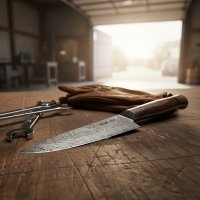
Every seasoned home cook knows the secret to a perfectly presented meal often lies in the details—and when it comes to serving up a succulent roast or a holiday turkey, your kitchen carving knife is truly an unsung hero. Forget the struggle of tearing meat with a blunt instrument; a quality carving knife transforms the experience into an effortless display of culinary artistry. At Awilu, we believe that understanding your tools is the first step to mastering your craft, and today, we’re diving deep into everything you need to know about this indispensable blade.

Why Every Kitchen Needs a Carving Knife: Beyond Holiday Roasts
You might think a kitchen carving knife is a specialty item, only brought out for grand feasts like Thanksgiving or Christmas. While it certainly shines in those moments, its utility extends far beyond yearly celebrations. This agile blade is invaluable for prepping and serving a wide array of meats, from a quick weeknight chicken dinner to a beautifully seared steak. Its design allows it to glide cleanly through large proteins, deftly navigate around bones, and precisely trim unwanted fat and gristle.
“A carving knife isn’t just about appearance; it’s about efficiency and flavor,” explains Awilu’s culinary expert, Chef Julian Thorne. “Clean cuts preserve the juices, ensuring every slice is as delicious as the last.”
Is a Carving Knife Truly Necessary?
If you cook meat regularly, a carving knife is more than just a luxury; it’s a must-have tool. It simplifies serving and significantly enhances safety. Imagine trying to slice a hot, slippery roast with a short, thick chef’s knife—it’s not only messy but potentially dangerous. The specialized design of a carving knife makes the task smoother, more controlled, and ultimately, safer. Beyond large roasts, it’s equally adept at slicing everyday items like chicken breasts, pork chops, or even watermelon, making it a versatile addition to your culinary arsenal.
Carving vs. Slicing: Understanding the Nuances
The terms “carving knife” and “slicing knife” are often used interchangeably, but there are subtle yet important distinctions that can impact your results. While both are long, thin blades designed for meat, their specific features cater to different tasks.
A traditional kitchen carving knife typically features a long, narrow blade that tapers to a sharp, pointed tip. This pointed tip is crucial for navigating around bones and joints in poultry or bone-in roasts like a leg of lamb or ham. Its triangular blade shape offers excellent agility.
On the other hand, a slicing knife, often referred to as a “meat slicer,” usually has a straighter, extra-long blade, often rounded at the tip. These knives are best suited for large cuts of lean meat with minimal bones or connective tissue, such as roast beef or pork tenderloin. Their longer, straighter edge allows for single, sweeping cuts, producing uniformly thin slices. However, they are less maneuverable than carving knives when dealing with intricate bone structures.
It’s also worth noting other specialized meat knives:
- Boning Knife: Smaller with a very narrow, pointed, and flexible blade, designed for separating raw meat from bone.
- Butcher Knife: A larger, more substantial blade used for breaking down primal cuts and cutting through tougher joints in raw meat.
Understanding these differences ensures you pick the right tool for the job, minimizing effort and maximizing results.
What Makes an Exceptional Kitchen Carving Knife? Key Features to Look For
Choosing the right kitchen carving knife can feel overwhelming with the myriad options available. As an Awilu expert with years of experience, I can tell you that it boils down to a few critical components.
Blade Mastery: Material, Shape, and Edge
|
Our Picks for the Best Kitchen Knife in 2026
As an Amazon Associate I earn from qualifying purchases.
|
||
| Num | Product | Action |
|---|---|---|
| 1 | WÜSTHOF Classic 5\" Utility Knife, Black, Stainless Steel |

|
| 2 | Farberware Edgekeeper 7-Inch Santoku Knife with Self-Sharpening Blade Cover, High Carbon-Stainless Steel Kitchen Knife with Ergonomic Handle, Razor-Sharp Knife, Black |
|
| 3 | Shun Cutlery Premier Chef\'s Knife 8”, Thin, Light Kitchen Knife, Ideal for All-Around Food Preparation, Authentic, Handcrafted Japanese Knife, Professional Chef Knife |
|
| 4 | Shun Classic Blonde 6\" Chef\'s Knife, Handcrafted Japanese Kitchen Knife for Professional and Home Chefs, VG-MAX Core with Damascus Stainless Steel Cladding, Pakkawood Handle |
|
| 5 | Mercer Culinary BPX Chef\'s Knife, 6-Inch |
|
| 6 | HENCKELS Modernist Razor-Sharp 8-inch Carving Knife, German Engineered Informed by 100+ Years of Mastery, Gray |
|
| 7 | Cuisinart, Classic® ColorCore® Collection, C77CR-10PW |
|
| 8 | Rynal Ceramic Knife - 8 inch Chef\'s Knife - Light, Precise, Sharp Ceramic Kitchen Knife with Sheath Cover |
|
| 9 | Tramontina Chef\'s Knife, Plenus, 7 Inches, Black, Dishwasher Safe, Ultra Lightweight, Made in Brazil, 23426/107 TRAMONTINA |
|
| 10 | HAUSHOF Steak Knives Set of 4, Sharp Serrated Steak Knives, Premium Stainless Steel Steak Knife Set with Gift Box, Black Handle |
|
The blade is the heart of any knife. For a carving knife, you want a blade that combines sharpness with durability.
Blade Material: High-Carbon vs. Stainless Steel
Almost all knives are made of steel, and high-carbon steel is highly favored because it’s harder and can maintain an exceptionally sharp edge for longer. Stainless steel, while often more affordable and rust-resistant, is generally softer and will require more frequent sharpening. Many modern premium knives use high-carbon stainless steel, offering a good balance of both worlds.
Shape and Length: Pointed Tip for Agility
A carving knife’s blade is typically long and narrow, often ranging from 8 to 10 inches. The pointed tip is not just for aesthetics; it allows for precise control when working around intricate bone structures and making initial piercing cuts. While a shorter, pointier knife offers superior agility, a longer blade can power through larger cuts of meat more quickly with fewer strokes, leading to cleaner slices.
The Granton Edge: Does It Really Matter?
You’ve probably seen carving knives with rounded divots along the blade, known as a Granton edge or Kullenschliff. The theory behind these indentations is to create air pockets between the blade and the food, preventing slices from sticking. While it’s a popular feature, our extensive tests at Awilu—and findings from other culinary experts—suggest that the presence of a Granton edge didn’t significantly affect cutting performance in testing. It can be a nice bonus, but it shouldn’t be your primary decision factor.
Handle with Care: Ergonomics and Grip
A sharp blade is only as good as the hand that wields it. The handle of your kitchen carving knife is crucial for comfort, control, and, most importantly, safety, especially when your hands might get greasy from handling meat.
Why a Secure Grip is Crucial
You need a handle that feels natural in your hand, allowing you to maintain a firm, non-slip grip even in challenging conditions. Rounded, ergonomic handles that fit snugly without sharp corners are generally preferred, as they reduce hand fatigue during extended carving sessions.
Handle Materials: From Classic to Modern
- Wood: Classic and aesthetically pleasing, but can feel rough or be harder to clean.
- Plastic/Synthetic: Durable, easy to clean, and often provides a good, liquid-proof grip. However, it might not always have the premium look of wood.
- Pakkawood: A popular choice for higher-end knives, Pakkawood is natural wood infused with resin. It combines the beautiful grain of wood with a perfectly smooth, durable, and easy-to-shape surface, offering the best of both worlds.
Balance and Feel: The Often-Overlooked Factor for Precision
A truly exceptional kitchen carving knife feels balanced in your hand. This equilibrium between the blade and the handle is vital for control, allowing you to make precise, confident cuts without feeling like the knife is fighting against you. When you pick up a good carving knife, it should feel like an extension of your arm, not a separate tool. This balance contributes significantly to both comfort and cutting performance.
Mastering the Art of Carving: Tips from an Awilu Expert
Using your kitchen carving knife effectively isn’t just about having the right tool; it’s about technique.
- Secure Your Meat: Always use a carving fork to hold the meat firmly in place. This provides stability and keeps your non-cutting hand safely away from the blade. Look for a fork with long, sturdy tines and a comfortable handle.
- Angle and Slice: Make smooth, even strokes, letting the knife’s sharpness do the work. Avoid a sawing motion, as this can tear the meat and lead to uneven slices.
- Against the Grain: For optimal tenderness, especially with roasts and tougher cuts, always slice against the grain of the meat. This shortens the muscle fibers, making each bite more tender.
- Practice Makes Perfect: Don’t wait for a holiday feast to use your carving knife. Practice on smaller cuts of meat to build your confidence and refine your technique.
Maintaining Your Carving Knife: Sharpening and Care
A sharp knife is a safe knife, and this holds especially true for your kitchen carving knife. Regular maintenance ensures its longevity and peak performance.
Honing vs. Sharpening: Know the Difference
- Honing: This is what you should do almost every time you use your carving knife. A honing steel (or honing rod) doesn’t remove metal but realigns the microscopic dents in the blade’s edge, keeping it straight and extending the time between full sharpenings. It takes mere seconds.
- Sharpening: Depending on usage, your carving knife will need a full sharpening anywhere from once a month to once a year. This process removes a small amount of metal to create a new, keen edge. You can use manual sharpeners, electric sharpeners, or whetstones. Ensure the sharpener is suitable for the length and angle of your carving knife’s blade.
Proper Cleaning and Storage
Always hand-wash your carving knife with warm, soapy water immediately after use and dry it thoroughly. Never put it in the dishwasher, as the harsh detergents and high heat can damage the blade and handle. Store it safely in a knife block, magnetic strip, or with a blade guard to protect the edge and prevent accidents.
Choosing Your Carving Companion: Top Brands and What They Offer
When it comes to selecting a high-quality kitchen carving knife, several brands consistently stand out for their craftsmanship and performance. Brands like Wüsthof and Messermeister are renowned for their German precision, offering robust, well-balanced blades. Japanese brands like Shun are celebrated for their incredibly sharp edges, often featuring beautiful Damascus steel patterns and ergonomic handles. For those seeking excellent value, Victorinox and Mercer Culinary provide incredibly functional and sharp knives without the hefty price tag. Each brand offers a unique blend of heritage, innovation, and design, ensuring there’s a perfect carving companion for every chef.
Frequently Asked Questions About Kitchen Carving Knives
Do I really need a carving knife?
Absolutely! If you regularly cook and serve any kind of meat, from holiday roasts to everyday chicken, a carving knife makes the process significantly easier, more precise, and safer, helping you achieve perfect slices every time.
What’s the ideal length for a carving knife?
Most carving knives range from 8 to 10 inches. An 8-inch blade offers excellent agility for smaller roasts and poultry, while a 10-inch blade provides more power for larger cuts, requiring fewer strokes for a clean finish.
How often should I sharpen my carving knife?
You should hone your carving knife with a honing steel every time you use it. A full sharpening, which removes metal to create a new edge, typically needs to be done every few months to once a year, depending on how frequently you use the knife.
Can I use a carving knife for vegetables?
While a carving knife is optimized for meat, its long, sharp blade can certainly be used for large vegetables like squash or watermelon. However, for everyday vegetable prep, a chef’s knife or santoku will offer more versatility and control.
Is an electric carving knife better?
Electric carving knives offer effortless slicing, especially for large volumes or very tough meats, by using rapidly oscillating serrated blades. However, they generally lack the precision and finesse of a manual carving knife and can sometimes shred more delicate meats. They are a good option for convenience but not a replacement for a fine manual carving knife.
Unleash Your Inner Carver with Awilu
The kitchen carving knife is more than just a tool; it’s an extension of your passion for cooking and presentation. By understanding its purpose, appreciating its features, and mastering its use, you’ll elevate your carving skills from daunting to delightful. At Awilu.com, we are committed to providing you with the knowledge and insights to make informed choices and become a more confident cook. Explore our extensive guides and reviews to find the perfect carving knife that will serve you well for years to come. What’s your favorite roast to carve? Share your carving stories with us!
Cooking gear we tested in our own kitchens
Free PDF — preheat times measured on 10 popular air fryers.