A high-quality kitchen knife set is an investment in efficiency, safety, and culinary enjoyment, transforming cooking from a chore into a pleasure. Such sets typically feature blades made from high-carbon stainless steel with a Rockwell hardness of at least 56 HRC, full tang construction for superior balance, and ergonomically designed handles for comfort and control. These attributes ensure exceptional sharpness, remarkable edge retention, and long-term durability, making every slice, dice, and chop feel effortless and precise.
What Makes a Knife Set Truly High-Quality?
When you’re looking for a high-quality kitchen knife set, it’s easy to get overwhelmed by the sheer number of options. But peel back the layers, and you’ll find that true quality boils down to a few core elements: the materials, the craftsmanship, and how they feel in your hand. For expert kitchen knives reviews on this site.
The Heart of the Matter: Blade Materials
The blade is, without a doubt, the soul of any knife. For a high-quality kitchen knife set, you’ll primarily encounter blades made from specialized steel. High-carbon stainless steel is often considered the gold standard, offering an impressive balance of sharpness, remarkable edge retention, and resistance to rust and corrosion. It’s the sweet spot where durability meets performance.
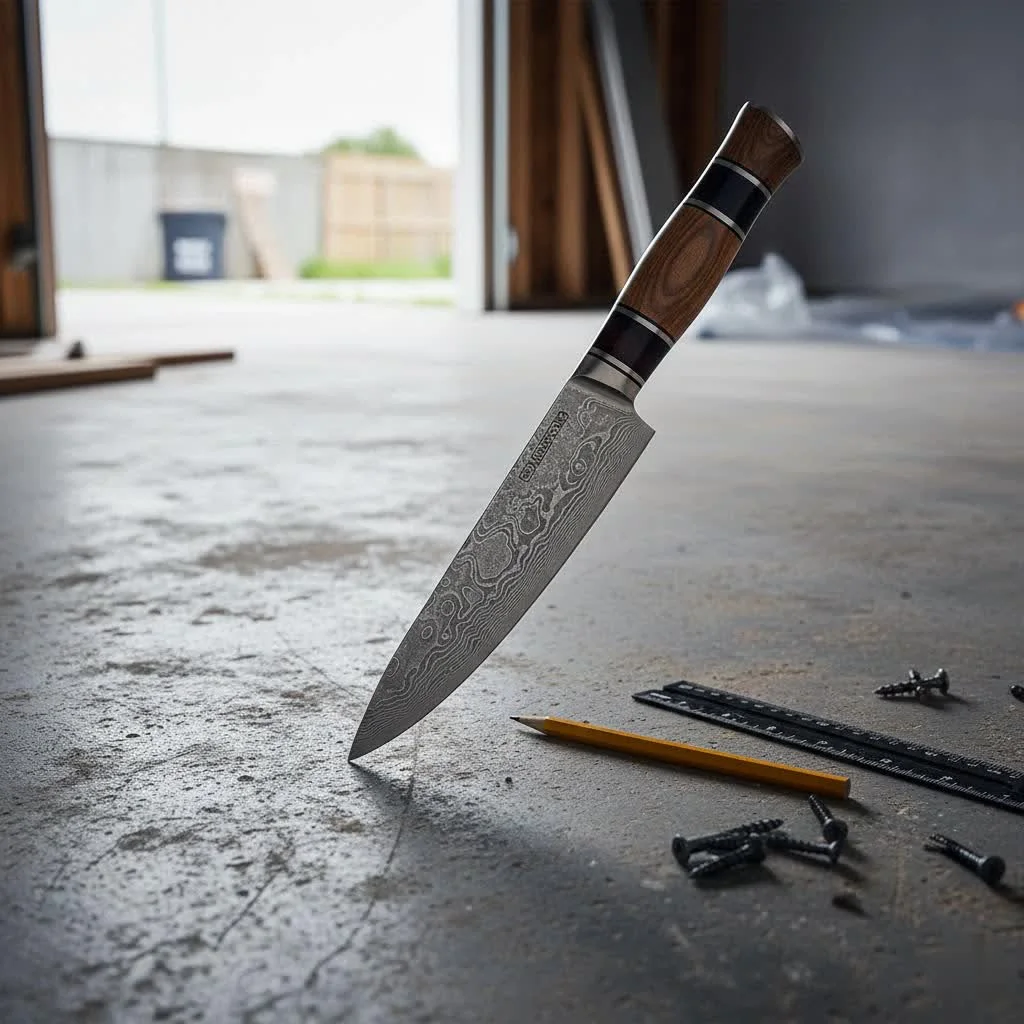
You might also come across Damascus steel, known for its stunning layered patterns and exceptional strength, or even ceramic, which offers incredible sharpness and holds an edge for an exceptionally long time, though it can be more brittle. When we talk about steel, two regions often lead the conversation: German and Japanese. German steel is typically prized for its toughness and durability, making it excellent for robust tasks, while Japanese steel is celebrated for its extreme sharpness and lighter feel, allowing for incredibly precise cuts. The hardness of the steel, measured on the Rockwell scale (HRC), is also crucial; a rating of at least 56 HRC generally indicates a decent, durable blade.
Craftsmanship and Construction: Forged, Stamped, and Full Tang
The way a knife is made significantly impacts its performance and longevity. In a high-quality kitchen knife set, you’ll often find both forged and stamped knives, each with distinct characteristics.
Forged knives are crafted from a single bar of steel, heated, and then hammered into shape. This process creates a stronger, denser blade with a bolster (the thick junction between the blade and the handle) that adds balance and protects your fingers. Forged knives are typically heavier and feel more substantial in hand. Stamped knives, on the other hand, are cut from a sheet of steel. While often lighter and more affordable, advancements in manufacturing mean many stamped knives in a high-quality set can still offer excellent performance, especially if they boast a full tang and quality materials.
A “full tang” construction means the blade extends the full length of the handle, providing superior balance, strength, and durability. This is a non-negotiable feature for any truly high-quality knife, as it prevents the blade from snapping or becoming loose from the handle over time. The bolster, often found on forged knives, not only provides a natural finger guard but also contributes to the knife’s overall balance, making it feel like an extension of your hand.
A Cut Above: Sharpness and Edge Retention
|
Our Picks for the Best Kitchen Knife in 2026
As an Amazon Associate I earn from qualifying purchases.
|
||
| Num | Product | Action |
|---|---|---|
| 1 | Rynal Ceramic Knife - 8 inch Chef\'s Knife - Light, Precise, Sharp Ceramic Kitchen Knife with Sheath Cover |

|
| 2 | Farberware Edgekeeper 7-Inch Santoku Knife with Self-Sharpening Blade Cover, High Carbon-Stainless Steel Kitchen Knife with Ergonomic Handle, Razor-Sharp Knife, Black |
|
| 3 | HAUSHOF Steak Knives Set of 4, Sharp Serrated Steak Knives, Premium Stainless Steel Steak Knife Set with Gift Box, Black Handle |
|
| 4 | Cuisinart, Classic® ColorCore® Collection, C77CR-10PW |
|
| 5 | WÜSTHOF Classic 5\" Utility Knife, Black, Stainless Steel |
|
| 6 | Tramontina Chef\'s Knife, Plenus, 7 Inches, Black, Dishwasher Safe, Ultra Lightweight, Made in Brazil, 23426/107 TRAMONTINA |
|
| 7 | Mercer Culinary BPX Chef\'s Knife, 6-Inch |
|
| 8 | HENCKELS Modernist Razor-Sharp 8-inch Carving Knife, German Engineered Informed by 100+ Years of Mastery, Gray |
|
| 9 | Shun Classic Blonde 6\" Chef\'s Knife, Handcrafted Japanese Kitchen Knife for Professional and Home Chefs, VG-MAX Core with Damascus Stainless Steel Cladding, Pakkawood Handle |
|
| 10 | Shun Cutlery Premier Chef\'s Knife 8”, Thin, Light Kitchen Knife, Ideal for All-Around Food Preparation, Authentic, Handcrafted Japanese Knife, Professional Chef Knife |
|
A truly sharp knife isn’t just about making clean cuts; it’s about safety. A dull knife requires more force, increasing the risk of slips and accidents. A high-quality kitchen knife set will feature blades that are razor-sharp right out of the box and, crucially, designed to maintain that edge for a respectable period. Edge retention refers to how long a blade can stay sharp with regular use before needing to be honed or sharpened. This is where the quality of the steel and the precision of the blade’s geometry truly shine. You want a knife that cuts through ingredients effortlessly, minimizing effort and maximizing control.
Comfort and Control: Handle Design and Materials
Even the sharpest blade is useless if the handle isn’t comfortable or secure. Ergonomics are paramount. A high-quality knife set will have handles that fit comfortably in your hand, providing a secure grip even when wet or greasy. Materials like G-10, Micarta (resin-infused fabric), various hardwoods (like pakkawood or olive wood), and Santoprene (a durable rubber-like material) are popular choices, known for their durability and feel. Many premium knives also feature triple-riveted handles, ensuring the handle scales are firmly attached to the tang, adding to the knife’s overall robustness and longevity.
Building Your Culinary Arsenal: Essential Knives in a Premium Set
While a sprawling set of a dozen or more knives might look impressive, a high-quality kitchen knife set often focuses on a few essential pieces that cover the vast majority of your culinary needs.
The Indispensable Trio: Chef’s, Paring, and Utility Knives
For any serious home cook, three knives form the bedrock of a versatile set:
- The Chef’s Knife: This is your everyday workhorse, typically an 8-inch blade, designed for chopping, slicing, dicing, and mincing. Its curved blade allows for a rocking motion, making quick work of vegetables and herbs. If you only had one knife, this would be it.
- The Paring Knife: Small and nimble, usually 3 to 4 inches, the paring knife is perfect for intricate tasks like peeling fruits and vegetables, deveining shrimp, or creating delicate garnishes. It offers precision and control for small-scale work.
- The Utility Knife: Falling between the chef’s and paring knives in size (around 5 to 6 inches), the utility knife is incredibly versatile. It’s excellent for slicing sandwiches, trimming smaller cuts of meat, or handling tasks that are too delicate for a chef’s knife but too large for a paring knife. Some may feature a serrated edge for tougher skins.
Specialized Blades: Bread, Carving, and Beyond
Beyond the core trio, a comprehensive high-quality kitchen knife set might include specialized knives that excel at specific tasks:
- The Bread Knife: With its distinctive serrated edge, this long blade (typically 8-10 inches) glides through crusty bread, tomatoes, and pastries without tearing or squishing.
- The Carving or Slicing Knife: Long and slender, often with a pointed tip, this knife is designed to create thin, uniform slices of roasted meats, poultry, or fish.
- The Santoku Knife: A Japanese-style all-purpose knife, often characterized by a flatter blade profile and a “Grantons edge” (dimples) to prevent food from sticking. It’s excellent for chopping, dicing, and mincing.
- Boning Knife: A thin, flexible blade perfect for separating meat from bone.
- Cleaver: A heavy, rectangular blade ideal for breaking down poultry or larger cuts of meat and even crushing garlic.
The Unsung Heroes: Sharpening Steel and Shears
A high-quality kitchen knife set isn’t complete without the tools to maintain its sharpness. A honing steel (often mistakenly called a sharpening steel) is essential for realigning the blade’s edge after each use, keeping it keen between full sharpenings. High-quality kitchen shears are also incredibly useful for a many tasks, from snipping herbs to opening packages.
Preserving Your Investment: Care and Maintenance for Longevity
Owning a high-quality kitchen knife set is just the beginning; proper care is what ensures these tools last a lifetime and perform at their peak.
Best Practices for Cleaning and Drying
Here’s the golden rule for high-quality knives: always hand wash them immediately after use. Dishwashers are the enemy of fine cutlery. The harsh detergents, high heat, and jostling against other items can dull edges, damage handles, and even cause corrosion. Use warm, soapy water, gently clean the blade and handle, and then immediately towel-dry completely. Never let knives air-dry, as water spots can lead to rust or discoloration, even on “stainless” steel.
Honing vs. Sharpening: Keeping Your Edge
Understanding the difference between honing and sharpening is crucial for knife maintenance.
- Honing: This is what you do frequently, ideally before or after every few uses. A honing steel doesn’t remove metal; it realigns the microscopic edge of the blade that gets bent or rolled during cutting. This keeps your knife feeling sharp.
- Sharpening: Over time, even with regular honing, the blade will lose metal and its edge will dull. Sharpening involves grinding away a small amount of steel to create a new, fresh edge. This can be done with sharpening stones (whetstones), pull-through sharpeners, or by a professional service. How often you sharpen depends on usage, but a high-quality knife should hold its sharpened edge for a good while.
As our expert Awilu.com knife specialist, Chef Elara Vance, always says, “A truly sharp knife is a happy knife, and a safe knife. Don’t fear the sharpening stone; embrace it as part of your culinary journey!”
Safe Storage Solutions
Improper storage can damage blades and pose a safety risk. Here are common high-quality storage options:
- Knife Blocks: The most popular choice, offering individual slots that protect the blades.
- Magnetic Strips: Mounted on the wall, these strips keep knives easily accessible and visible while preventing blade contact.
- In-Drawer Organizers: Safely store knives in a drawer, protecting edges and fingers.
- Blade Guards or Sheaths: Essential for individual knives or when transporting them, preventing accidental cuts and protecting the blade.
improve your Culinary Journey
Investing in a high-quality kitchen knife set is one of the most impactful decisions you can make for your kitchen. It transforms cooking from a chore into a pleasure, making every slice, dice, and chop feel effortless and precise. By understanding the critical elements of blade material, construction, ergonomics, and proper care, you are now empowered to choose a set that not only meets your needs but inspires your culinary creativity. Take the plunge, select wisely, and experience the profound difference a superior set of knives can make. Your hands, your food, and your taste buds will thank you.
Frequently Asked Questions
What is the best steel for kitchen knives?
High-carbon stainless steel is widely considered the best for kitchen knives due to its excellent balance of edge retention, sharpness, durability, and corrosion resistance. It typically has a Rockwell hardness of at least 56 HRC. Some premium options also include Damascus steel for its beauty and strength, and specialized tool steels for ultimate performance.
How many knives do I really need in a set?
For most home cooks, a core set of three essential knivesu2014an 8-inch chef's knife, a 3-4 inch paring knife, and a 5-6 inch utility knifeu2014will cover the majority of kitchen tasks. Larger high-quality kitchen knife sets might add a bread knife, carving knife, and kitchen shears, providing more specialized tools for specific culinary needs.
Should I choose a forged or stamped knife set?
Both forged and stamped knives can be high quality, but forged knives are typically denser, heavier, and feature a bolster for balance and safety, often preferred by professionals. Stamped knives, while lighter, can still offer excellent performance if made from quality materials and feature a full tang. Your choice often comes down to personal preference for weight, balance, and budget.
How do I know if a knife set is well-balanced?
A well-balanced knife feels comfortable and natural in your hand, with the weight evenly distributed between the blade and the handle. You can test this by balancing the knife on your finger at the point where the blade meets the handle; it should balance horizontally or with a slight tilt towards the blade, without feeling heavy on either end.
Can I put high-quality knives in the dishwasher?
No, it is strongly recommended to always hand wash high-quality kitchen knives immediately after use. Dishwashers can damage the blade's edge, corrode the steel, and harm handle materials due to harsh detergents, high temperatures, and impacts with other utensils. Hand washing and immediate drying will preserve your knives' quality and longevity.
Maintain Your High-Quality Kitchen Knife Set
Proper care and maintenance are crucial for preserving the sharpness, performance, and longevity of your high-quality kitchen knife set. Follow these steps to ensure your knives last a lifetime.
Always hand wash your knives with warm, soapy water immediately after each use. Avoid dishwashers, as harsh detergents and high heat can dull edges and damage handles. Gently clean the blade and handle to remove food residue.
After washing, immediately towel-dry your knives completely with a soft cloth. Never let knives air-dry, as water spots can lead to rust or discoloration, even on stainless steel blades. Thorough drying prevents corrosion and maintains appearance.
Use a honing steel frequently, ideally before or after every few uses, to realign the microscopic edge of the blade. Honing does not remove metal but keeps your knife feeling sharp by correcting the edge that gets bent during cutting. This extends the time between full sharpenings.
Store your knives in a way that protects the blades and prevents accidents. Popular options include knife blocks, magnetic strips mounted on the wall, in-drawer organizers, or individual blade guards/sheaths. Proper storage prevents damage to the edge and ensures safety.
Cooking gear we tested in our own kitchens
Free PDF — preheat times measured on 10 popular air fryers.

The ergonomic handles are mostly great, but I found one of the smaller utility knives to be a bit less comfortable for my larger hands. It’s not a deal-breaker, and the sharpness is still excellent, but it’s something to consider if you have bigger hands. Still, the overall quality for the price range was good.
I finally splurged on a high-carbon stainless steel set after years of struggling with dull knives. The difference is night and day! Chopping vegetables is actually enjoyable now, and the edge retention is fantastic. It really does make cooking feel less like a chore.
I appreciate the focus on full tang construction. My old knives always felt wobbly, but the new set I got based on that advice feels incredibly balanced and secure. It’s a significant upgrade in terms of safety and control, especially when I’m doing a lot of prep work.
I was hesitant about investing in a more expensive set, but the mention of Rockwell hardness of at least 56 HRC convinced me. These knives are incredibly sharp and hold their edge beautifully. It’s definitely an investment that pays off in the kitchen every single day.