As someone who’s spent over 15 years in the culinary world, I can tell you there’s one tool that truly makes or breaks your kitchen experience: your knives. And not just any knives, but the sharpest kitchen knife set you can get your hands on. On Awilu.com, we’re all about helping you understand the intricacies of kitchen tools, and today, we’re diving deep into what makes a knife truly sharp and how to find a set that keeps you cutting with confidence for years to come. Forget struggling with dull blades; it’s time to embrace precision, safety, and the sheer joy of effortless prep.
Why Sharpness Matters: Beyond Just “Cutting”
It might seem obvious, but a sharp knife does more than just cut. It transforms your cooking, making every task from dicing an onion to carving a roast a pleasure, not a chore. For see our kitchen knives recommendations on this site.
Safety First, Always: This might sound counterintuitive, but a sharp knife is a safe knife. When a blade is dull, you apply more pressure, increasing the risk of it slipping and causing injury. A truly sharp edge bites into food, requiring less force and giving you greater control.
Precision in Every Slice: Think about thinly sliced tomatoes or perfectly julienned vegetables. A sharp knife glides through ingredients, creating clean cuts that look professional and cook more evenly. No more squashed produce or ragged edges!
Efficiency and Enjoyment: When your knives work with you, not against you, kitchen prep becomes faster, more efficient, and, dare I say, fun. It allows you to focus on the creative aspects of cooking rather than battling your tools.
What Makes a Knife “The Sharpest”? Dissecting Blade Excellence
The term “sharpest” isn’t just about how a knife feels straight out of the box; it’s about a combination of factors that dictate its initial keenness, how long it retains that edge, and how easily it can be restored. If a knife loses its edge easily, it’s not truly sharp in the long run.
Blade Material: The Foundation of Sharpness
The soul of a sharp knife lies in its steel. The right material allows for a finer edge and superior edge retention.
- High-Carbon Stainless Steel: This is the gold standard for most quality kitchen knives. It offers a fantastic balance of hardness (for sharpness and edge retention), toughness (to resist chipping), and corrosion resistance. Many top-tier sets, including those from Wüsthof and Chicago Cutlery, utilize this material for durable, super-sharp edges.
- Japanese Steel (e.g., AUS-10, VG-10): Renowned for its exceptional hardness, Japanese steel, such as AUS-10 found in Misen knives, allows for incredibly thin and sharp edges, often ground to a finer angle. These blades are known for their precision.
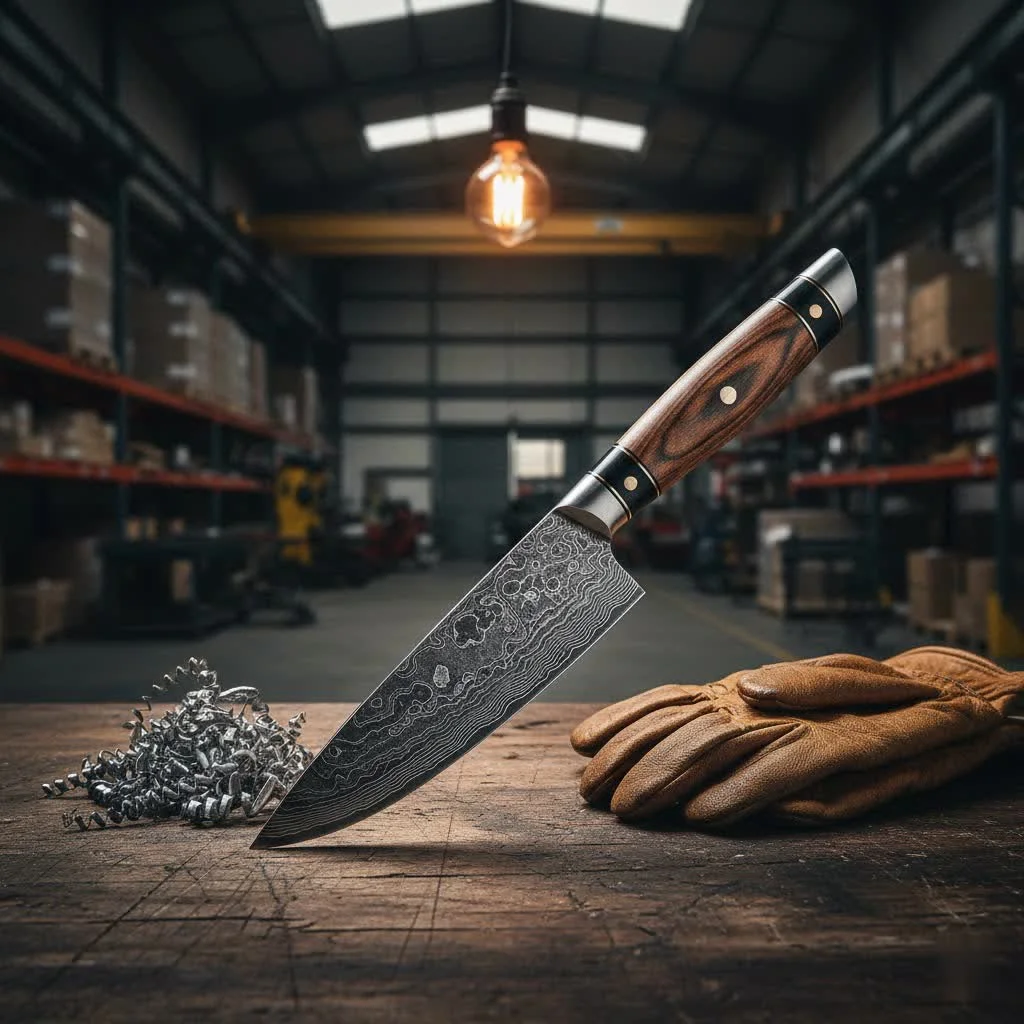
- Damascus Steel: Often recognizable by its beautiful, wavy patterns, Damascus steel involves folding and layering different types of steel. This process can result in a blade that is both incredibly sharp and remarkably durable. Shun Classic knives, for instance, feature razor-sharp edges crafted from folded layers of stainless steel, offering an excellent blend of durability and easy maintenance.
- Ceramic (A Brief Note): While ceramic knives can be incredibly sharp, almost razor-like, they are also very brittle and prone to chipping or breaking if dropped or twisted. They require specialized sharpening and aren’t typically found in comprehensive sets due to their delicate nature.
Blade Angle (Edge Geometry): The Finer the Angle, the Sharper the Cut
|
Our Picks for the Best Kitchen Knife in 2026
As an Amazon Associate I earn from qualifying purchases.
|
||
| Num | Product | Action |
|---|---|---|
| 1 | HENCKELS Modernist Razor-Sharp 8-inch Carving Knife, German Engineered Informed by 100+ Years of Mastery, Gray |

|
| 2 | Farberware Edgekeeper 7-Inch Santoku Knife with Self-Sharpening Blade Cover, High Carbon-Stainless Steel Kitchen Knife with Ergonomic Handle, Razor-Sharp Knife, Black |
|
| 3 | Rynal Ceramic Knife - 8 inch Chef\'s Knife - Light, Precise, Sharp Ceramic Kitchen Knife with Sheath Cover |
|
| 4 | Tramontina Chef\'s Knife, Plenus, 7 Inches, Black, Dishwasher Safe, Ultra Lightweight, Made in Brazil, 23426/107 TRAMONTINA |
|
| 5 | Cuisinart, Classic® ColorCore® Collection, C77CR-10PW |
|
| 6 | HAUSHOF Steak Knives Set of 4, Sharp Serrated Steak Knives, Premium Stainless Steel Steak Knife Set with Gift Box, Black Handle |
|
| 7 | Mercer Culinary BPX Chef\'s Knife, 6-Inch |
|
| 8 | WÜSTHOF Classic 5\" Utility Knife, Black, Stainless Steel |
|
| 9 | Shun Classic Blonde 6\" Chef\'s Knife, Handcrafted Japanese Kitchen Knife for Professional and Home Chefs, VG-MAX Core with Damascus Stainless Steel Cladding, Pakkawood Handle |
|
| 10 | Shun Cutlery Premier Chef\'s Knife 8”, Thin, Light Kitchen Knife, Ideal for All-Around Food Preparation, Authentic, Handcrafted Japanese Knife, Professional Chef Knife |
|
The angle to which the blade is sharpened plays a crucial role in its sharpness.
- Japanese Knives: Often feature a much steeper, acute angle, typically around 15 degrees per side. This creates a thinner, more delicate edge that excels at precise, effortless slicing. Misen’s Chef’s Knife 2.0, for example, boasts a 15-degree blade.
- Western (German) Knives: Traditionally have a slightly wider angle, usually around 20 degrees per side. This results in a more robust edge that is less prone to chipping, making them excellent for heavier-duty tasks like chopping through dense vegetables. Wüsthof knives are a prime example of German precision and robust sharpness.
Manufacturing Process: Forged vs. Stamped
The way a knife is made impacts its strength, balance, and ability to hold a keen edge.
- Forged Knives: Crafted from a single piece of steel heated and hammered into shape. This creates a denser, stronger blade with a bolster (the thick part between the blade and handle) that provides balance and protects your fingers. Forged blades generally hold an edge better and are considered more durable. Henckels Classic knives are fully forged, offering excellent balance and comfort.
- Stamped Knives: Cut from a sheet of steel and then ground and sharpened. They are typically lighter, more flexible, and often more affordable. While modern stamped knives can be quite sharp, forged knives generally offer superior balance and edge retention.
Heat Treatment: The Unseen Hero
While often overlooked, the precise heat treatment of the steel during manufacturing significantly affects its hardness (and thus its ability to be sharpened to a fine edge and retain it) and its flexibility, preventing brittleness.
Top Contenders for the Sharpest Kitchen Knife Sets
When searching for the sharpest kitchen knife set, certain brands consistently rise to the top, recognized for their superior craftsmanship and cutting performance.
- Wüsthof Classic Ikon: This German powerhouse consistently earns accolades for its unrivaled sharpness right out of the box and impressive edge retention. Their fully forged, high-carbon stainless steel blades offer superb balance and a comfortable grip, making tasks like slicing paper effortless.
- Shun Classic: Hailing from Japan, Shun knives are celebrated for their razor-sharp edges and beautiful, layered Damascus steel construction. They provide pro-level performance, retaining sharpness exceptionally well after prolonged use.
- Misen Knife Sets: Known for combining high-quality materials with accessible pricing, Misen’s knives feature high-carbon Japanese AUS-10 steel and a precise 15-degree blade angle. Reviewers praise their “shockingly sharp” blades and comfortable design, making them a fantastic all-purpose choice.
- Henckels Classic Self-Sharpening Block Set: For those who prioritize consistent sharpness with minimal effort, Henckels offers innovative self-sharpening blocks. These dedicated slots automatically hone the blades each time a knife is removed or returned, ensuring your knives are always ready for action.
- Mercer Culinary Genesis Forged Knife Set: Often favored by culinary professionals, Mercer knives feature high-carbon German steel blades known for their exceptional sharpness, stain resistance, and ease of resharpening. They provide incredibly smooth and balanced cutting performance, making light work of demanding prep tasks.
- Chicago Cutlery Fusion Knife Set: This set is noted for its “super-sharp edges” and ease of resharpening, making it a great all-around option for home cooks seeking reliable sharpness and value.
Beyond Initial Sharpness: Maintaining Your Edge
Even the sharpest knife will eventually dull with use. The true measure of a great knife set includes how well it maintains its edge and how easily that edge can be restored.
Sharpening vs. Honing: Know the Difference
It’s common to confuse these two, but they serve distinct purposes:
- Honing: This is a daily or frequent maintenance task using a honing steel. It realigns the microscopic edge of a blade that has bent over slightly with use, bringing it back to optimal performance. It doesn’t remove much metal.
- Sharpening: This process actually removes metal from the blade to create a new, fresh edge. It’s done less frequently than honing, using tools like whetstones, pull-through sharpeners, or professional sharpening services.
The Role of a Self-Sharpening Block
Innovative solutions like Henckels’ self-sharpening knife blocks offer an integrated approach to maintenance. These blocks have ceramic or carbide honing elements built into the slots, automatically honing the blade to a keen edge every time you take a knife out or put it back. This can be a game-changer for maintaining consistent sharpness without extra effort.
Proper Sharpening Techniques
For knife sets that don’t feature self-sharpening blocks, understanding basic sharpening is key. Whetstones provide the most control and the finest edge but require practice. Pull-through sharpeners are convenient for quick touch-ups but can remove more metal if used improperly. Regular honing, along with occasional sharpening, is crucial for preserving your investment.
Storage Matters: Protect Your Precious Edges
How you store your knives dramatically impacts their sharpness. Throwing them loose in a drawer is a surefire way to dull them quickly as they clang against other utensils.
- Knife Blocks: The most common storage solution, providing individual slots for each knife. Some are traditional wood, while others, like the Wüsthof Classic Ikon’s slim block, are designed to maximize counter space.
- Magnetic Strips: These are favored by many professionals and experts for being space-efficient and preventing dulling, as the blades are held securely without touching other surfaces.
- In-Drawer Organizers/Sheaths: If counter space is limited, in-drawer solutions or individual blade guards keep knives safe and sharp.
Choosing the Right Sharpest Kitchen Knife Set for You
Finding the perfect sharpest kitchen knife set isn’t just about brand names; it’s about what fits your needs, cooking style, and budget.
- Assess Your Cooking Style: Do you primarily chop vegetables, carve roasts, or prepare delicate fish? This will influence the types of knives you need (e.g., a chef’s knife, santoku, paring knife, bread knife, utility knife). Look for sets that provide essential pieces you’ll actually use, rather than being “bloated with unnecessary pieces.”
- Consider Blade Material and Angle: If you prioritize extreme precision and are willing to maintain a finer edge, Japanese steel with a 15-degree angle might be for you. If you prefer a more robust, forgiving edge for everyday tasks, German steel at 20 degrees is an excellent choice.
- Factor in Maintenance: Are you diligent about honing and sharpening, or would you prefer the convenience of a self-sharpening block? Your commitment to maintenance should guide your choice.
- Budget and Value: The “best” doesn’t always mean the most expensive. High-quality sets can be an investment, but they should also offer good value in terms of durability and performance for the price.
Expert Insight: The Awilu Edge
“The quest for the sharpest kitchen knife set isn’t just about raw cutting power; it’s about finding a harmonious balance between a razor-sharp edge, exceptional edge retention, and the ease with which you can maintain that sharpness. Invest wisely, care diligently, and your knives will serve as a true extension of your culinary passion.” – Chef Anya Sharma, Awilu.com Lead Content Creator
Conclusion
A truly sharpest kitchen knife set is more than just a collection of blades; it’s an investment in your culinary journey. It enhances safety, boosts precision, and brings a newfound joy to every meal you prepare. From the superior materials of Japanese and German steel to innovative self-sharpening solutions, the options are plentiful for equipping your kitchen with tools that empower you. Choose wisely, commit to proper care, and you’ll find that the perfect set will not only stand the test of time but also elevate your cooking to professional levels.
Ready to explore more in-depth reviews and knife care guides? Head over to Awilu.com to sharpen your knowledge!
Cooking gear we tested in our own kitchens
Free PDF — preheat times measured on 10 popular air fryers.