An outdoor kitchen knife is a specialized tool designed for resilience and adaptability in varied environments, unlike standard kitchen knives. These knives feature robust construction, materials optimized for corrosion resistance, and ergonomic designs for secure grip even when wet or greasy. They are built to withstand moisture, dirt, and varying temperatures, making them ideal for tasks like filleting fish by a lake or dicing vegetables on a rustic picnic table.
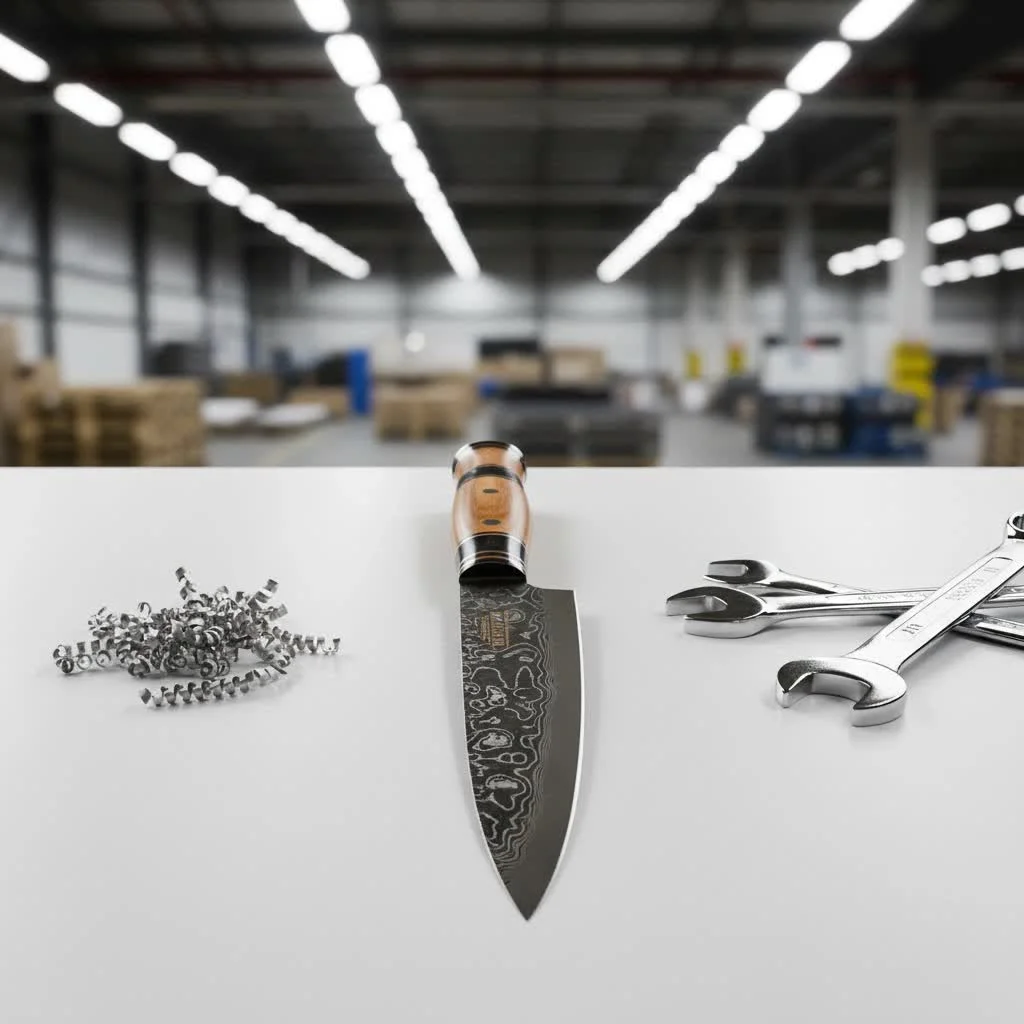 kitchen knife with a durable handle and sharp blade” style=”margin: 20px auto;width: 800px;max-width: 100%;height: auto” />
Why Your Outdoor Kitchen Knife Isn’t Just Any Knife
What exactly sets an outdoor kitchen knife apart from its indoor counterparts? The answer lies in its resilience and adaptability. Unlike the controlled environment of your kitchen counter, the outdoors exposes your gear to moisture, dirt, varying temperatures, and often, less-than-ideal cutting surfaces. Your outdoor knife needs to withstand these challenges, performing reliably whether you’re filleting a fresh catch by the lake or dicing vegetables on a rustic picnic table.
The primary difference is their robust construction, materials optimized for corrosion resistance, and ergonomic designs that maintain grip even when your hands are wet or greasy. They’re built not just for precision, but for survival in demanding conditions.
Choosing Your Blade: Materials Matter Most
When selecting an outdoor kitchen knife, the blade material is paramount. It dictates everything from edge retention to rust resistance, directly impacting your knife’s performance and longevity in the wild.
Stainless Steel
This is a popular choice for outdoor use due to its high resistance to rust and corrosion. This low-maintenance aspect makes stainless steel ideal for environments where moisture is a constant factor, like camping or fishing trips. While some lower-grade stainless steels might sacrifice a bit of edge retention, premium varieties offer a fantastic balance.
High-Carbon Stainless Steel
This material combines the corrosion resistance of stainless steel with the superior edge retention and hardness of carbon steel. It’s an excellent choice for an outdoor kitchen knife because it handles moisture well while staying sharp through heavy use. Many top outdoor knives are crafted from this blend for maximum durability.
Carbon Steel
For those who prioritize an incredibly sharp edge and superior edge retention, carbon steel is a dream. However, it demands more rigorous care. Carbon steel is highly susceptible to rust and requires immediate cleaning and drying after use, often needing a protective layer of food-grade oil. It’s a high-performance material for the dedicated outdoor chef willing to put in the maintenance.
Damascus Steel
Often known for its beautiful wavy patterns, Damascus steel isn’t just about aesthetics. It typically refers to a process of layering different steels, often high-carbon variants, to create a blade with exceptional strength, durability, and a keen edge. It offers impressive blade hardness and rust resistance, making it a reliable choice for challenging outdoor environments.
“When you’re out there, exposed to the elements, your knife’s blade material isn’t a luxury; it’s a necessity,” says Chef Alistair Finch, a seasoned outdoor culinary expert. “You want something that can take a beating, hold an edge, and won’t rust at the first sign of dew. High-carbon stainless steel often hits that sweet spot for versatility and ruggedness.”
What to Look for: Features That Conquer the Wild
|
Our Picks for the Best Kitchen Knife in 2026
As an Amazon Associate I earn from qualifying purchases.
|
||
| Num | Product | Action |
|---|---|---|
| 1 | Cuisinart, Classic® ColorCore® Collection, C77CR-10PW |

|
| 2 | WÜSTHOF Classic 5\" Utility Knife, Black, Stainless Steel |
|
| 3 | Tramontina Chef\'s Knife, Plenus, 7 Inches, Black, Dishwasher Safe, Ultra Lightweight, Made in Brazil, 23426/107 TRAMONTINA |
|
| 4 | HAUSHOF Steak Knives Set of 4, Sharp Serrated Steak Knives, Premium Stainless Steel Steak Knife Set with Gift Box, Black Handle |
|
| 5 | Farberware Edgekeeper 7-Inch Santoku Knife with Self-Sharpening Blade Cover, High Carbon-Stainless Steel Kitchen Knife with Ergonomic Handle, Razor-Sharp Knife, Black |
|
| 6 | Mercer Culinary BPX Chef\'s Knife, 6-Inch |
|
| 7 | Shun Cutlery Premier Chef\'s Knife 8”, Thin, Light Kitchen Knife, Ideal for All-Around Food Preparation, Authentic, Handcrafted Japanese Knife, Professional Chef Knife |
|
| 8 | HENCKELS Modernist Razor-Sharp 8-inch Carving Knife, German Engineered Informed by 100+ Years of Mastery, Gray |
|
| 9 | Shun Classic Blonde 6\" Chef\'s Knife, Handcrafted Japanese Kitchen Knife for Professional and Home Chefs, VG-MAX Core with Damascus Stainless Steel Cladding, Pakkawood Handle |
|
| 10 | Rynal Ceramic Knife - 8 inch Chef\'s Knife - Light, Precise, Sharp Ceramic Kitchen Knife with Sheath Cover |
|
Beyond the blade material, several other features contribute to an outstanding outdoor kitchen knife.
Full Tang Construction
This means the blade extends all the way through the handle, providing unparalleled strength, balance, and durability. A full tang knife is less likely to break or flex under pressure, which is crucial for the varied tasks you might encounter outdoors.
Handle Comfort and Grip
Outdoor cooking often involves wet, greasy, or cold hands. An ergonomic handle made from materials like G-10, textured rubber, or treated wood ensures a secure and comfortable grip, enhancing safety and control. Finger guards can further reduce the risk of accidents.
Edge Retention & Sharpness
In the wilderness, you don’t always have access to sharpening tools. Therefore, a knife that can maintain its razor-sharp edge through extended use is invaluable. High-quality steel and proper heat treatment are key here.
Portability & Protection
Your outdoor kitchen knife needs to be transported safely and easily. Look for knives that come with durable sheaths (leather, Kydex, or polypropylene) or consider a dedicated knife roll for sets. Compact designs that fit comfortably in a backpack or on a belt are ideal.
Versatility
Unless you’re packing a full set, a versatile knife that can handle multiple tasks—from slicing vegetables and meats to more rustic chores—is a major upgrade. Multi-purpose blades reduce the amount of gear you need to carry.
Types of Outdoor Kitchen Knives for Every Culinary Quest
While a good general-purpose knife can go a long way, specific blade types excel at different outdoor tasks:
- Chef’s Knife: The ultimate all-rounder. A versatile chef’s knife, often with an 8-inch blade, is perfect for most cutting tasks, from dicing vegetables to slicing meats, making it an essential outdoor kitchen knife for preparing larger meals.
- Paring Knife: Small and precise, ideal for intricate tasks like peeling fruits, trimming meat, or deveining shrimp. Its compact size is convenient for limited outdoor space.
- Utility Knife: A multipurpose tool, typically smaller than a chef’s knife but larger than a paring knife. It’s suitable for various tasks like slicing cheese, portioning meat, or preparing sandwiches.
- Boning/Fillet Knife: With its slim, flexible blade, this knife is a must for anyone planning to debone meat or fillet fish, ensuring clean and efficient preparation.
- Cleaver/Santoku Knife: A robust cleaver is excellent for chopping through tougher ingredients and larger cuts of meat, while a Santoku offers a versatile blade for slicing, dicing, and mincing.
Mastering Maintenance: Keeping Your Outdoor Kitchen Knife Pristine
Even the best outdoor kitchen knife won’t perform if neglected. Proper care and maintenance are crucial for longevity and safety.
Cleaning
Always hand wash your knife immediately after each use with mild soap and warm water. Avoid harsh detergents and abrasive sponges. Never put your outdoor kitchen knife in a dishwasher; the harsh chemicals and high heat can damage the blade and handle. Dry the blade and handle thoroughly with an absorbent towel to prevent rust and corrosion, especially in crevices.
Storage
Store your knife in its protective sheath or a dedicated knife roll when not in use. This protects the blade from damage and prevents accidental injuries. Keep your knives in a cool, dry place, away from humidity, which can promote rust. For extra protection against moisture, consider using silica gel packs in your storage area. Avoid storing fixed blades in leather sheaths for long periods as leather can trap moisture.
Sharpening
A sharp knife is a safe knife. Regularly hone your blade with a honing rod to maintain its edge between sharpenings. When it truly gets dull, use a sharpening stone (whetstone) at a consistent angle, or consider professional sharpening. A leather strop can be used for final polishing to achieve a razor-sharp edge.
Special Care for Carbon Steel
If your outdoor kitchen knife is carbon steel, it requires extra attention. Rinse and wipe it dry immediately after cutting acidic foods like citrus, tomatoes, or onions to prevent corrosion. After cleaning and drying, apply a thin coat of food-grade mineral oil or camellia oil to the blade to create a protective barrier against rust.
FAQ: Your Burning Questions About Outdoor Kitchen Knives, Answered
What’s the most important feature for an outdoor kitchen knife?
For an outdoor kitchen knife, superior corrosion resistance, typically found in high-carbon stainless steel, combined with a comfortable, secure grip, is arguably the most crucial feature. This ensures durability and safety in diverse outdoor conditions.
Can I use my regular kitchen knives outdoors?
While you technically can, it’s generally not recommended. Regular kitchen knives are not designed to withstand the harsher elements, moisture, or rough handling often encountered outdoors, making them more prone to rust, damage, and dulling.
How often should I clean my outdoor kitchen knife?
You should clean your outdoor kitchen knife immediately after every use. This prevents food residue and moisture from damaging the blade and ensures it’s always ready for your next adventure.
What’s a “full tang” and why does it matter?
A full tang means the knife’s blade extends in one piece all the way through the handle. This construction provides maximum strength, balance, and durability, making the knife less likely to break or fail under demanding outdoor tasks.
How do I prevent rust on my outdoor kitchen knife?
To prevent rust, always clean and thoroughly dry your knife immediately after use. Store it in a dry environment, ideally in a protective sheath, and for carbon steel blades, apply a thin layer of food-grade oil.
Embrace the Outdoors with Confidence
Choosing and caring for the right outdoor kitchen knife transforms your culinary experience in nature from a chore into an absolute joy. It’s about being prepared, working efficiently, and ensuring safety, no matter where your gastronomic adventures take you. At Awilu.com, we’re passionate about equipping you with the knowledge to make the best choices for your needs.
So, whether you’re a seasoned wilderness chef or just starting your journey into outdoor cooking, invest in a quality outdoor kitchen knife, treat it with respect, and it will serve you faithfully for years to come. What’s your go-to outdoor knife, and what culinary wonders have you created with it? Share your stories and tips with the Awilu community – let’s inspire each other to keep those blades sharp and those outdoor kitchens sizzling!
Maintain Your Outdoor Kitchen Knife
Proper care and maintenance are crucial for the longevity and safety of your outdoor kitchen knife.
Always hand wash your knife with mild soap and warm water immediately after each use. Avoid dishwashers, as harsh chemicals and high heat can damage the blade and handle. Thoroughly dry the blade and handle with an absorbent towel to prevent rust and corrosion.
Store your knife in its protective sheath or a dedicated knife roll when not in use. Keep it in a cool, dry place, away from humidity, which can promote rust. Consider using silica gel packs for extra moisture protection and avoid long-term storage in leather sheaths.
Maintain your knife's edge by regularly honing it with a honing rod between sharpenings. When the blade becomes dull, use a sharpening stone at a consistent angle or seek professional sharpening. A leather strop can be used for final polishing to achieve a razor-sharp edge.
If your knife is carbon steel, rinse and wipe it dry immediately after cutting acidic foods like citrus or tomatoes to prevent corrosion. After cleaning and drying, apply a thin coat of food-grade mineral oil or camellia oil to the blade to create a protective barrier against rust.
Cooking gear we tested in our own kitchens
Free PDF — preheat times measured on 10 popular air fryers.

Great info here! I appreciate the breakdown on why outdoor knives are different. I recently got one for my backyard BBQ setup, and the ergonomic design for a secure grip, even with greasy hands, is a huge plus. It makes dicing vegetables on my outdoor prep table so much safer and easier. Definitely a worthwhile investment.
I’ve been looking for a knife that can handle my camping trips, and this guide really helped. I used to just bring a regular kitchen knife, but it always got dull so fast and started to rust. The focus on corrosion resistance in outdoor knives is a game-changer. My new knife stays sharp and clean even after filleting fish by the lake.
This was super helpful! I never really thought about how much abuse my knives take when I’m cooking outside. The point about materials optimized for corrosion resistance really hit home. My old knife was always getting spots. Now I have a knife that can handle all the elements without me worrying about it.
While the robust construction is good, I found that the specific knife I bought based on the recommendations was a bit heavier than I expected. It’s great for tougher tasks, but for finer work like slicing delicate herbs, it feels a little cumbersome. Still, it holds up well against moisture and dirt, which is what I needed for my outdoor cooking.