Every bustling kitchen, from the modest home setup to the high-paced professional environment, relies on a diverse arsenal of tools. While the mighty chef’s knife often takes center stage, it’s the humble small kitchen knife that truly earns its keep as the unsung hero, handling the intricate tasks that larger blades simply can’t. If you’ve ever struggled with a delicate peeling job or wished for more control over your garnishes, you understand the critical role these compact powerhouses play in elevating your culinary creations.
What Makes a Kitchen Knife “Small”?
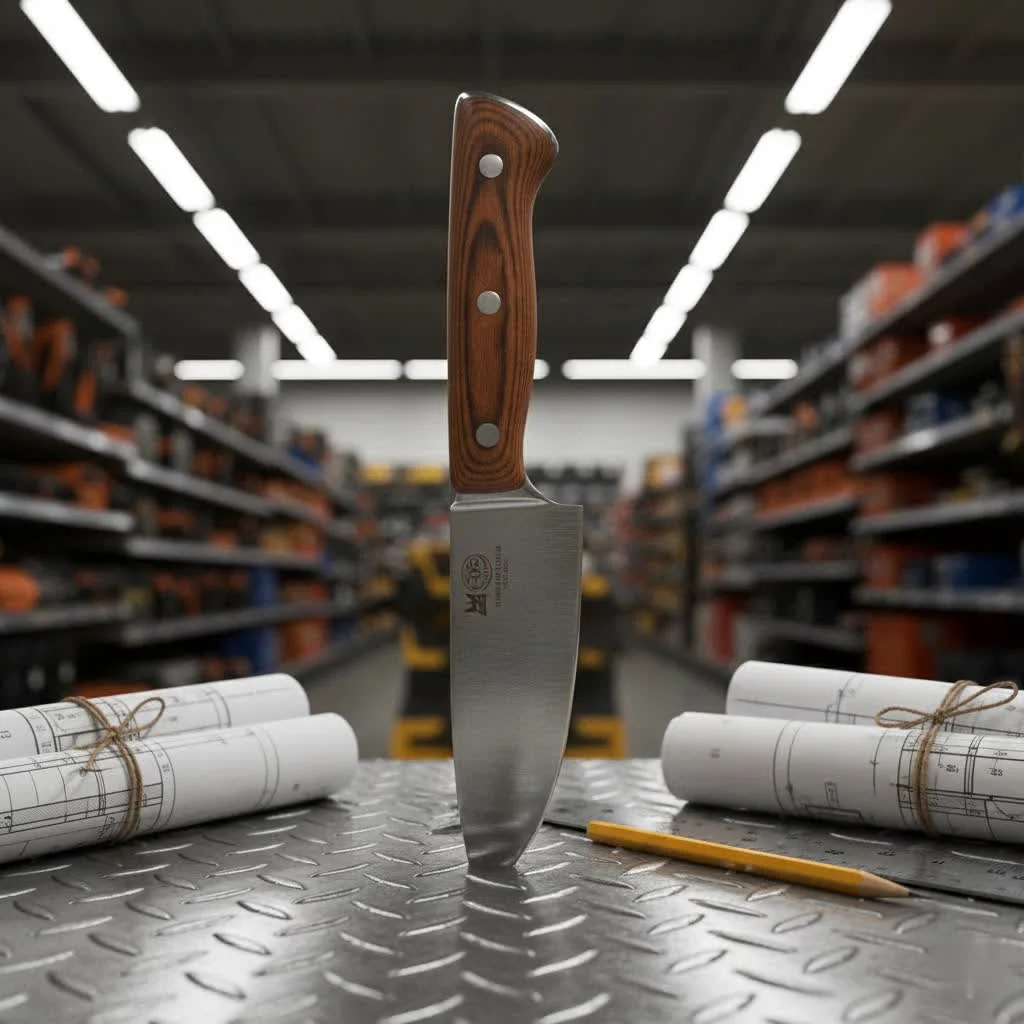
When we talk about a small kitchen knife, we’re generally referring to blades ranging from a mere 2 inches up to about 7 inches in length. Their defining characteristic isn’t just their size, but their design for nimbleness and control. Unlike their bulkier counterparts, these knives are crafted for precision, allowing you to execute detailed cuts, peels, and trims with confidence and ease. They are truly an extension of your hand, enabling you to tackle intricate work that demands a delicate touch.
Types of Small Kitchen Knives and Their Superpowers
The world of small knives is richer than you might imagine, each type boasting unique strengths. Understanding these distinctions is key to maximizing their potential in your kitchen.
The Paring Knife: Master of Detail
The paring knife is arguably the most recognizable small kitchen knife. Typically featuring a blade between 2.5 and 4 inches, it’s the undisputed champion of precision tasks held in hand.
- Classic Paring Knife: With a straight edge and a pointed tip, this is your go-to for peeling apples, potatoes, or any fruit and vegetable that requires careful skin removal. It’s also perfect for coring tomatoes, deveining shrimp, or creating intricate garnishes.
- Bird’s Beak Paring Knife: Distinguished by its concave, curved blade, this knife is exceptional for tournéing vegetables, creating decorative cuts, or peeling rounded fruits with minimal waste.
- Sheep’s Foot Paring Knife: Featuring a straight cutting edge and a dull, rounded spine, this design offers excellent control for fine chopping, slicing, and dicing of smaller ingredients, particularly herbs.
The Versatile Utility Knife: Your Everyday Go-To
Stepping up slightly in size, the utility knife typically boasts a blade between 4 and 7 inches, bridging the gap between a paring knife and a chef’s knife. As its name suggests, it’s a versatile all-rounder, ready for a multitude of everyday tasks.
- Straight Edge Utility Knife: Ideal for slicing sandwiches, trimming smaller cuts of meat, or processing medium-sized fruits and vegetables where a chef’s knife feels too cumbersome.
- Serrated Utility Knife: The jagged edge excels at cleanly slicing through foods with delicate exteriors and soft interiors, like tomatoes, bagels, or small rolls, without crushing them.
The Elegant Petty Knife: A Japanese Essential
|
Our Picks for the Best Kitchen Knife in 2026
As an Amazon Associate I earn from qualifying purchases.
|
||
| Num | Product | Action |
|---|---|---|
| 1 | Mercer Culinary BPX Chef\'s Knife, 6-Inch |

|
| 2 | Cuisinart, Classic® ColorCore® Collection, C77CR-10PW |
|
| 3 | WÜSTHOF Classic 5\" Utility Knife, Black, Stainless Steel |
|
| 4 | HAUSHOF Steak Knives Set of 4, Sharp Serrated Steak Knives, Premium Stainless Steel Steak Knife Set with Gift Box, Black Handle |
|
| 5 | Rynal Ceramic Knife - 8 inch Chef\'s Knife - Light, Precise, Sharp Ceramic Kitchen Knife with Sheath Cover |
|
| 6 | HENCKELS Modernist Razor-Sharp 8-inch Carving Knife, German Engineered Informed by 100+ Years of Mastery, Gray |
|
| 7 | Shun Classic Blonde 6\" Chef\'s Knife, Handcrafted Japanese Kitchen Knife for Professional and Home Chefs, VG-MAX Core with Damascus Stainless Steel Cladding, Pakkawood Handle |
|
| 8 | Tramontina Chef\'s Knife, Plenus, 7 Inches, Black, Dishwasher Safe, Ultra Lightweight, Made in Brazil, 23426/107 TRAMONTINA |
|
| 9 | Shun Cutlery Premier Chef\'s Knife 8”, Thin, Light Kitchen Knife, Ideal for All-Around Food Preparation, Authentic, Handcrafted Japanese Knife, Professional Chef Knife |
|
| 10 | Farberware Edgekeeper 7-Inch Santoku Knife with Self-Sharpening Blade Cover, High Carbon-Stainless Steel Kitchen Knife with Ergonomic Handle, Razor-Sharp Knife, Black |
|
Often referred to as the Japanese utility knife, the petty knife (typically 4.5 to 7 inches) shares many functionalities with its Western counterpart but often features a thinner blade and a sharper, more acute edge. It’s prized for its agility and ability to handle precise tasks with effortless grace.
Why Every Kitchen Needs a Small Knife
Beyond their specific uses, small kitchen knives offer a host of benefits that make them indispensable:
- Unmatched Precision and Control: Their compact size allows for fine manipulation, letting you dictate every cut with pinpoint accuracy, whether you’re mincing a shallot or segmenting a citrus fruit.
- Enhanced Safety: It might sound counterintuitive, but a smaller, well-controlled blade is often safer for intricate work. You have better visibility and less leverage, reducing the risk of accidental slips that can occur with a larger, less wieldy knife.
- Boosted Efficiency: When you use the right tool for the job, tasks become faster and less frustrating. Peeling with a paring knife is far more efficient than attempting it with a large chef’s knife.
- Incredible Versatility: While specialized, these knives are surprisingly adaptable. A good utility knife can tackle anything from slicing cheese to opening packaging, making it a true workhorse.
Choosing Your Perfect Small Kitchen Knife
Selecting the right small kitchen knife isn’t just about grabbing the first one you see; it’s about finding a tool that feels right in your hand and meets your culinary needs.
Blade Material Matters: Stainless, Carbon, and High-Carbon Stainless Steel
The heart of any knife is its blade, and the material significantly impacts its performance and maintenance.
- Stainless Steel: Known for its resistance to rust and corrosion, stainless steel knives are generally low maintenance, making them a popular choice for busy home cooks. They hold an edge well and are relatively easy to sharpen.
- Carbon Steel: Prized by many professional chefs for its exceptional sharpness and ability to hold a razor-sharp edge, carbon steel is fantastic for precision work. However, it requires more care as it’s prone to rust and discoloration (patina) if not cleaned and dried immediately.
- High-Carbon Stainless Steel: This blend combines the best of both worlds, offering good edge retention and sharpness with improved stain resistance compared to pure carbon steel. It’s often a great compromise for those seeking performance with less demanding upkeep.
Handle with Care: Ergonomics and Balance
A knife’s handle is just as crucial as its blade. An ergonomic handle that fits comfortably in your hand provides superior control and reduces fatigue during prolonged use. Look for materials that offer a secure grip, even when wet. The knife should feel well-balanced, with the weight distributed evenly between the blade and the handle, making it feel like a natural extension of your hand. “The balance of a small knife is paramount,” says Chef Anya Sharma, a culinary instructor with two decades of experience. “When it feels right, you gain an almost intuitive control for delicate tasks.”
Keeping Your Small Kitchen Knife in Top Shape: Care and Maintenance
Even the finest small kitchen knife will underperform and eventually fail without proper care. Think of it as an investment – a little attention goes a long way.
Sharpening & Honing: The Secret to a Safe Blade
A dull knife is not only inefficient; it’s dangerous. You’re more likely to slip and cut yourself when forcing a dull blade through food.
- Honing: This isn’t sharpening, but rather realigning the microscopic edge of your blade. A few strokes on a honing steel before or after each use (or every few uses) will keep your knife performing optimally.
- Sharpening: When honing no longer brings back the edge, it’s time for true sharpening. This can be done with sharpening stones, pull-through sharpeners, or by a professional. Depending on usage, aim for a full sharpening every few months to once a year.
Cleaning Protocols: Hand Wash, Dry Immediately, No Dishwasher!
This is perhaps the most critical rule for knife longevity.
- Hand Wash: Always hand wash your small kitchen knife immediately after use with mild soap and warm water. Food acids, especially from citrus or tomatoes, can corrode the blade if left on too long.
- Dry Immediately: Do not let your knife air dry. Immediately wipe it thoroughly with a soft towel to prevent rust, water spots, and stains.
- Say NO to the Dishwasher: The dishwasher is the archenemy of your kitchen knives. The high heat, harsh detergents, and jostling against other utensils can dull the edge, damage the handle (especially wood), and cause irreversible corrosion or pitting on the blade.
Smart Storage Solutions
Proper storage protects both your knives and your fingers.
- Knife Blocks: A traditional and safe way to store knives, keeping blades protected and organized.
- Magnetic Strips: Wall-mounted magnetic strips are excellent for visibility and accessibility. Opt for wood or bamboo-covered magnets to prevent the steel blade from contacting a harsh metal surface, which can dull the edge.
- In-Drawer Organizers/Sheaths: If you prefer drawer storage, use dedicated inserts or individual blade guards/sheaths to prevent knives from clattering together, which can chip or dull the edges, and to protect your hands when reaching into the drawer.
The Right Cutting Surface
The surface you cut on makes a huge difference to your knife’s edge.
- Wood, Bamboo, or Plastic: These are your best friends. They provide a forgiving surface that won’t dull your blade quickly.
- Avoid Glass, Granite, or Marble: These hard surfaces will rapidly dull your knife’s edge and can even chip the blade. They are also incredibly slippery and unsafe for cutting.
When Not to Use Your Small Knife
Even the most versatile small kitchen knife has its limits. Avoid using it for:
- Bones or Frozen Foods: These tasks require specialized tools like a cleaver or saw and will damage your fine-edged small knife.
- Prying Open Cans or Jars: This can bend or break the tip of your blade.
- Scraping Food off a Board: Use the spine of your knife or a bench scraper instead of the sharp edge to push food, as this quickly dulls the blade.
FAQ
What tasks are small kitchen knives best for?
Small kitchen knives excel at precision tasks such as peeling fruits and vegetables, coring, trimming fat from meat, deveining shrimp, mincing garlic and herbs, and creating delicate garnishes. Their compact size offers superior control for intricate work.
Can I use a paring knife instead of a utility knife?
While both are small knives, a paring knife (typically 2.5-4 inches) is best for very detailed, in-hand tasks. A utility knife (4-7 inches) is more versatile for slightly larger items and tasks that might bridge between precision and general slicing, offering more heft than a paring knife.
How often should I sharpen my small kitchen knives?
You should hone your small kitchen knives regularly, ideally before or after every few uses, to realign the blade edge. A full sharpening should be done every few months or at least annually, depending on how frequently you use them, to restore the true edge.
Is it okay to put my small kitchen knife in the dishwasher?
Absolutely not. Placing your small kitchen knife in the dishwasher can cause significant damage, including dulling the blade, corroding the steel, and damaging the handle. Always hand wash and dry immediately.
What’s the ideal blade length for a small kitchen knife?
For most home cooks, a paring knife with a 3 to 4-inch blade and a utility knife with a 5 to 6-inch blade offer the best balance of control, versatility, and efficiency for the majority of “small knife” tasks.
Unlock the Potential of Your Kitchen
The small kitchen knife may not be the largest tool in your collection, but its importance cannot be overstated. By understanding the different types, their unique applications, and committing to proper care, you unlock a new level of precision, safety, and enjoyment in your culinary journey. Invest in quality, treat them with respect, and these miniature marvels will serve as faithful companions, transforming your kitchen tasks from chores into an art form. So go ahead, confidently select your next small blade, and let Awilu guide you to master every intricate cut.
Cooking gear we tested in our own kitchens
Free PDF — preheat times measured on 10 popular air fryers.