Stepping into the kitchen, a true culinary enthusiast knows that a truly “nice kitchen knife set” isn’t just a collection of tools; it’s the very heartbeat of meal preparation. It’s where precision meets passion, turning mundane chopping into an art form and elevating every dish you create. A quality knife set isn’t just about having sharp blades; it’s about the efficiency, safety, and sheer joy it brings to your cooking journey. It’s an investment in your culinary future, promising years of reliable service and inspiring confidence with every slice, dice, and chop. At Awilu.com, we believe that understanding the nuances of a great knife set is the first step towards unlocking your full potential in the kitchen.
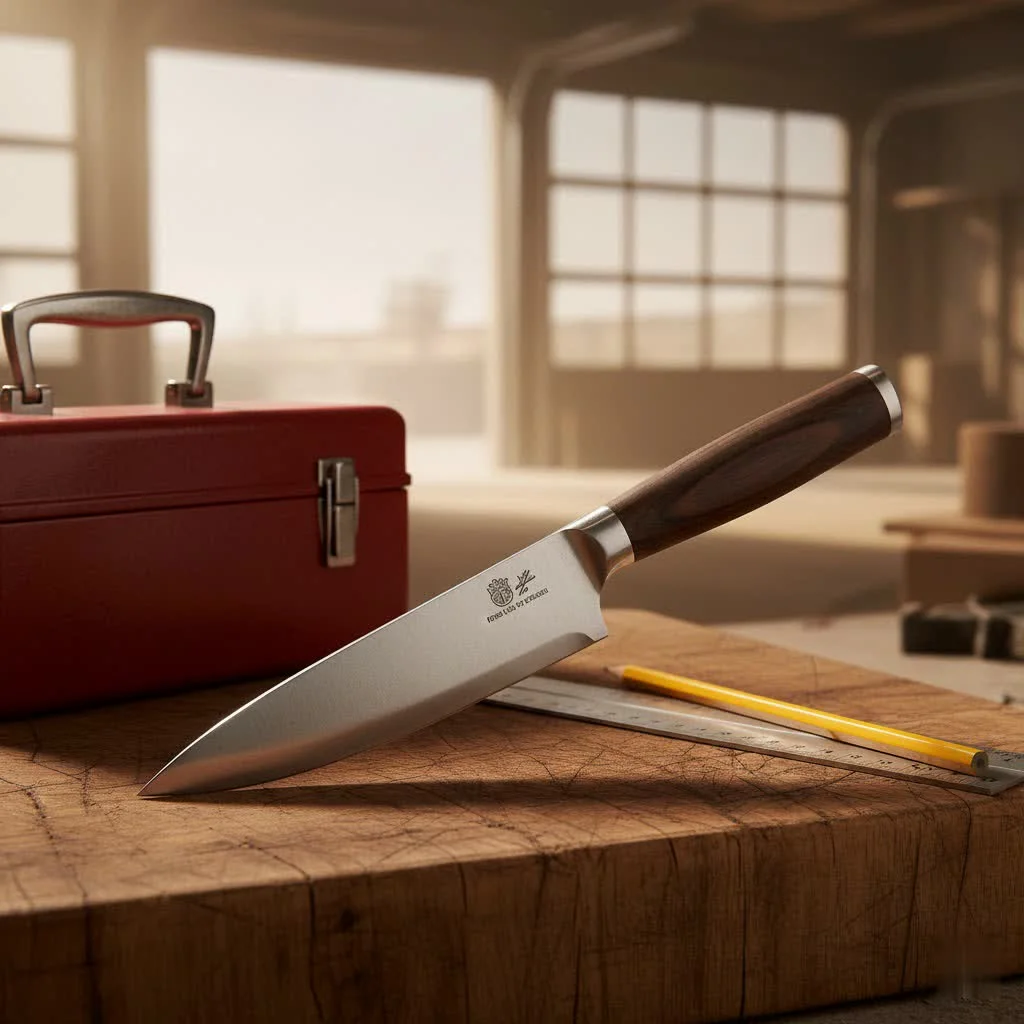
Navigating the vast world of kitchen knives can feel overwhelming, with countless options promising superior performance. But what truly sets a “nice kitchen knife set” apart from the rest? It boils down to a harmonious blend of thoughtful design, superior materials, and impeccable craftsmanship that transforms a simple tool into an indispensable extension of your hand. Let’s delve deep into the elements that define excellence in kitchen cutlery, ensuring your next set is not just good, but truly exceptional.
What Makes a Kitchen Knife Set Truly “Nice”?
A “nice kitchen knife set” stands out through several critical attributes that impact its performance, durability, and overall user experience. It’s more than just aesthetics; it’s about the tangible qualities that make a significant difference in your daily cooking tasks.
The Heart of the Blade: Material Matters
The soul of any knife lies in its blade material, and for a truly nice kitchen knife set, high-carbon stainless steel is often the gold standard. This alloy strikes a superb balance between exceptional sharpness, impressive durability, and remarkable resistance to corrosion.
When we talk about high-carbon stainless steel, two primary schools of thought emerge: German and Japanese. German steel, exemplified by brands like Wüsthof and Zwilling, is renowned for its toughness, excellent edge retention, and slight flexibility, making it durable and less prone to chipping. It’s often favored for its robust nature and ease of maintenance. Japanese steel, on the other hand, often boasts a higher carbon content, allowing for a harder blade that can achieve a razor-sharp edge, perfect for delicate, precise cuts. While incredibly sharp, Japanese blades typically require a bit more care due to their higher hardness.
The hardness of the steel, measured on the Rockwell scale (HRC), is a critical indicator of a blade’s quality. A good kitchen knife should have a hardness of at least 56 HRC. Blades below this level tend to lose their sharpness quickly and are harder to re-sharpen effectively. The precise composition, including elements like chromium for rust resistance and vanadium or molybdenum for improved edge quality, further dictates a blade’s performance. A nice kitchen knife set will typically feature blades that excel in corrosion resistance, ensuring longevity and maintaining their pristine appearance even with frequent use.
Craftsmanship: Forged vs. Stamped Blades
|
Our Picks for the Best Kitchen Knife in 2026
As an Amazon Associate I earn from qualifying purchases.
|
||
| Num | Product | Action |
|---|---|---|
| 1 | Rynal Ceramic Knife - 8 inch Chef\'s Knife - Light, Precise, Sharp Ceramic Kitchen Knife with Sheath Cover |

|
| 2 | Shun Classic Blonde 6\" Chef\'s Knife, Handcrafted Japanese Kitchen Knife for Professional and Home Chefs, VG-MAX Core with Damascus Stainless Steel Cladding, Pakkawood Handle |
|
| 3 | Shun Cutlery Premier Chef\'s Knife 8”, Thin, Light Kitchen Knife, Ideal for All-Around Food Preparation, Authentic, Handcrafted Japanese Knife, Professional Chef Knife |
|
| 4 | HAUSHOF Steak Knives Set of 4, Sharp Serrated Steak Knives, Premium Stainless Steel Steak Knife Set with Gift Box, Black Handle |
|
| 5 | HENCKELS Modernist Razor-Sharp 8-inch Carving Knife, German Engineered Informed by 100+ Years of Mastery, Gray |
|
| 6 | Farberware Edgekeeper 7-Inch Santoku Knife with Self-Sharpening Blade Cover, High Carbon-Stainless Steel Kitchen Knife with Ergonomic Handle, Razor-Sharp Knife, Black |
|
| 7 | Cuisinart, Classic® ColorCore® Collection, C77CR-10PW |
|
| 8 | WÜSTHOF Classic 5\" Utility Knife, Black, Stainless Steel |
|
| 9 | Tramontina Chef\'s Knife, Plenus, 7 Inches, Black, Dishwasher Safe, Ultra Lightweight, Made in Brazil, 23426/107 TRAMONTINA |
|
| 10 | Mercer Culinary BPX Chef\'s Knife, 6-Inch |
|
The method of knife construction, whether forged or stamped, significantly influences a knife’s quality, balance, and price point.
Forged knives are traditionally crafted from a single bar of steel, heated and hammered into shape. This process compresses the steel, creating a denser, stronger, and more durable blade. Forged knives typically feature a bolster (the thick collar between the blade and handle) and a full tang (the steel extending through the entire handle), contributing to superior balance and heft. This construction makes them exceptionally robust and long-lasting, often considered the hallmark of a high-quality knife.
Stamped knives, in contrast, are machine-cut from a large sheet of steel. While generally lighter and more affordable, advancements in manufacturing mean that some high-quality stamped knives can still offer excellent performance, especially when made with premium materials and thoughtful design. They might lack the substantial feel of a forged knife but can be nimble and precise for certain tasks. A truly nice kitchen knife set can include either, but the best sets often feature forged blades for their inherent strength and balance.
The Ergonomic Grip: Comfort and Control
A knife is only as good as how it feels in your hand. The handle of a quality knife set is paramount for comfort, control, and safety. Ergonomics play a huge role here, with well-designed handles providing a secure, comfortable grip that reduces fatigue during prolonged use.
Look for handles made from durable materials like synthetic polymers (e.g., POM, Santoprene), composite materials, or high-quality wood that offer a non-slip surface, even when wet or greasy. The balance of the knife is equally important; the weight should be evenly distributed between the blade and the handle, making the knife feel like a natural extension of your arm. Before committing to a “nice kitchen knife set,” if possible, hold the knives to assess their feel and ensure they fit comfortably in your hand. This personal connection to your tools is a subtle yet crucial aspect of a truly nice set.
Sharpness and Longevity: Keeping Your Edge
What good is a knife if it’s not sharp? A “nice kitchen knife set” will feature knives that are razor-sharp right out of the box, ready to tackle any ingredient with ease. But initial sharpness is only part of the equation; edge retention – how long a blade stays sharp with regular use – is equally vital. High-quality steel and expert heat treatment contribute significantly to excellent edge retention.
Beyond holding an edge, the ease of re-sharpening is another hallmark of a superior knife. Even the best knives will eventually require sharpening. A well-designed blade made from quality steel should be relatively straightforward to hone and sharpen, allowing you to restore its cutting prowess consistently. Many reputable sets often include a honing steel or feature a self-sharpening block, simplifying this essential maintenance task.
Essential Knives in a Well-Rounded Set
While a sprawling set with dozens of specialized blades might seem impressive, a truly nice kitchen knife set prioritizes utility and versatility. You don’t need every knife under the sun; you need the right knives for the right jobs. Most culinary experts agree that a few core knives form the foundation of any efficient kitchen.
The Workhorse: Chef’s Knife (8-inch)
If there’s one knife that defines a kitchen, it’s the chef’s knife. Typically 8 inches long, this versatile powerhouse is designed to handle a vast array of tasks, from vigorous chopping of vegetables and herbs to precise slicing of meats. Its gently curved blade allows for a fluid rocking motion, making quick work of dicing onions or mincing garlic. A good chef’s knife is often the most frequently used blade in any kitchen, making its quality paramount in a nice kitchen knife set.
The Precision Artist: Paring Knife (3-4 inch)
For smaller, more intricate tasks, the paring knife is indispensable. With a blade usually between 3 and 4 inches, it offers exceptional control for delicate work like peeling fruits, coring vegetables, trimming fat, or creating decorative garnishes. It’s the knife you reach for when a chef’s knife feels too cumbersome for fine detail.
The Slicer: Serrated Bread Knife
Don’t let the name fool you; a serrated bread knife is far more versatile than just slicing loaves. Its saw-like edge glides effortlessly through crusty bread without crushing the soft interior, but it’s equally adept at cleanly slicing through delicate tomatoes, soft pastries, or even carving roasted meats. The serrations grip the food, allowing for clean cuts where a straight edge might tear.
Beyond the Basics: Utility, Santoku, and More
While the chef’s, paring, and bread knives form the essential trinity, a nice kitchen knife set might include a few other valuable additions:
- Utility Knife: Often 5-7 inches, a utility knife bridges the gap between a chef’s knife and a paring knife, handling mid-sized tasks that require more control than a chef’s knife but more power than a paring knife.
- Santoku Knife: A Japanese-style all-purpose knife, the Santoku (meaning “three virtues” for meat, fish, and vegetables) is a popular alternative to the chef’s knife. It typically has a straighter edge and a “sheep’s foot” tip, excelling at chopping and dicing with a more downward-and-forward motion. Many Santoku knives feature a Granton edge (indentations) to prevent food from sticking.
- Boning Knife: With a thin, flexible blade, this knife is perfect for removing bones from meat or poultry and filleting fish.
- Slicing/Carving Knives: Long, thin blades designed for cleanly slicing roasts or large cuts of meat.
- Kitchen Shears: Often overlooked, quality kitchen shears are incredibly useful for everything from snipping herbs to opening packages or even breaking down poultry.
- Steak Knives: While not typically used for food preparation, a set often includes steak knives for table use.
The best “nice kitchen knife set” for you will ultimately depend on your personal cooking style and the types of ingredients you work with most frequently. It’s about having the right tools for your specific culinary adventures, rather than simply accumulating pieces.
Navigating Your Options: Finding the Perfect Nice Kitchen Knife Set
Choosing the right “nice kitchen knife set” is a journey of understanding your needs and discerning true quality. With so many choices, it’s important to approach your decision strategically.
Set Size: Quality Over Quantity
It’s a common misconception that a larger knife set automatically means a better one. However, a truly nice kitchen knife set often leans towards quality over sheer quantity. You’ll likely be happier with a smaller collection of exceptionally well-made knives that you use regularly than a vast array of mediocre ones that sit idle.
Think about the tasks you perform most often in your kitchen. Do you frequently break down poultry? A boning knife might be essential. Are you a vegetarian chef? A good Santoku or nakiri might be more valuable than a carving knife. Starting with a core set of essentials (chef’s, paring, bread) and gradually adding specialized knives as your skills and needs evolve is often the most practical and economical approach. As Chef Isabella Rossi wisely states, “A truly nice kitchen knife set isn’t just about sharp blades; it’s about an extension of your hand in the kitchen, making every task a joy.” Prioritize a few high-performing knives, and you’ll find your cooking experience significantly elevated.
Storage Solutions: Knife Blocks and Beyond
How you store your knives is just as important as the knives themselves. Proper storage protects the sharp edges, ensures safety, and keeps your investment organized. Many nice kitchen knife sets come with a dedicated knife block, often made of wood or featuring tempered glass elements.
Knife blocks provide convenient countertop storage, keeping your blades protected from damage and readily accessible. Some innovative blocks even incorporate self-sharpening slots, which gently hone the blade each time it’s removed or replaced. Other storage options include magnetic knife strips, which are great for saving counter space and showcasing beautiful blades, or in-drawer knife organizers for a minimalist approach. Whatever method you choose, ensuring your knives are stored safely and correctly will help maintain their sharpness and prolong their lifespan.
Budgeting for Brilliance: Investment vs. Expense
A “nice kitchen knife set” can range significantly in price, from budget-friendly options to high-end, heirloom-quality collections. It’s crucial to view this purchase as an investment in your culinary passion and your kitchen’s efficiency, rather than merely an expense. While it’s tempting to opt for the cheapest option, poorly made knives can quickly dull, become unsafe, and ultimately cost you more in frustration and premature replacement.
Consider your budget, but also factor in the long-term value. A well-maintained, high-quality knife set can last for decades, often outliving several cheaper alternatives. Look for brands with strong reputations for durability and performance, even if it means a slightly higher initial outlay. Many brands offer excellent entry-level sets that still provide fantastic quality and performance, allowing you to experience the joy of cooking with superior tools without breaking the bank.
Caring for Your Nice Kitchen Knife Set: Maintenance Tips for Lasting Performance
Even the nicest kitchen knife set will quickly lose its luster and performance without proper care. Adhering to a few simple maintenance practices will ensure your knives remain sharp, safe, and beautiful for years to come.
Hand Washing vs. Dishwasher: The Golden Rule
This is perhaps the most critical rule: always hand wash your kitchen knives. Even if a manufacturer claims their knives are “dishwasher safe,” the harsh detergents, high temperatures, and jostling inside a dishwasher can dull blades, damage handles, and accelerate corrosion. The abrasive environment can cause micro-chips in the blade’s edge and even pit the steel. Instead, immediately after use, wash your knives with warm, soapy water, rinse them thoroughly, and dry them completely with a soft cloth. This simple habit preserves the blade’s edge and the handle’s integrity, ensuring longevity.
Proper Sharpening: Keeping Your Edge Keen
Regular sharpening is essential to maintain the performance of your nice kitchen knife set. There are a few key tools and techniques:
- Honing Steel: This is not a sharpener but a tool used to realign the microscopic edge of a knife blade that has rolled over from use. A few gentle strokes on a honing steel before each use will keep your knife feeling sharper for longer between true sharpenings.
- Sharpening Stones (Whetstones): For truly dull knives, sharpening stones provide the best way to restore a keen edge. This method requires a bit of practice but offers the most control over the sharpening angle.
- Pull-Through Sharpeners: While convenient, these can remove more metal than necessary and may not achieve the precise angle for every knife. If using one, choose a reputable brand and use it sparingly.
- Professional Sharpening: Periodically, it’s a good idea to have your knives professionally sharpened, especially if they are very dull or have been damaged.
Safe Storage: Protecting Your Investment
As mentioned earlier, proper storage is crucial. Whether it’s a knife block, magnetic strip, or in-drawer organizer, ensure your blades are protected from knocking against other utensils, which can dull or chip the edges. A well-organized storage solution also prevents accidents by keeping sharp blades safely out of harm’s way.
FAQ: Your Questions About Nice Kitchen Knife Sets Answered
Q: What’s the minimum number of knives I need in a set?
A: For most home cooks, a minimum of three essential knives—a chef’s knife (8-inch), a paring knife (3-4 inch), and a serrated bread knife—will cover the vast majority of kitchen tasks. You can always expand your collection as your skills and needs grow.
Q: Is it better to buy a knife set or individual knives?
A: Knife sets can offer convenience and often a slight cost saving compared to buying individual knives separately, plus they usually come with a matching storage block. However, buying individual knives allows you to hand-pick blades perfectly suited to your specific preferences and cooking style, ensuring every knife is one you’ll truly love and use.
Q: How often should I sharpen my knives?
A: You should hone your knives frequently, ideally before or after each use, to maintain their edge. True sharpening (using a whetstone or professional service) depends on usage but is typically needed every 6-12 months for a regularly used knife, or when you notice it’s struggling to cut cleanly through food.
Q: What’s the difference between German and Japanese steel?
A: German steel knives are generally made from softer, tougher steel (around 56-58 HRC), offering excellent durability and resistance to chipping, making them robust workhorses. Japanese steel knives often have a higher carbon content, making them harder (60+ HRC) and capable of achieving a finer, sharper edge, ideal for precision tasks, though they can be more prone to chipping if mishandled.
Q: Can I put my kitchen knives in the dishwasher?
A: No, it is strongly recommended to hand wash your kitchen knives immediately after use. Dishwashers can damage the blade’s edge, corrode the steel, and harm the handle materials due to harsh detergents, high temperatures, and abrasive contact with other items. Hand washing ensures the longevity and performance of your nice kitchen knife set.
Elevate Your Culinary Journey with a Nice Kitchen Knife Set
Investing in a “nice kitchen knife set” is more than just purchasing tools; it’s about making a profound commitment to your culinary craft. By understanding the critical elements of blade material, construction, handle ergonomics, and proper care, you empower yourself to make an informed choice that will bring efficiency, joy, and safety to your kitchen for years to come.
From the versatile chef’s knife that effortlessly handles daily chopping to the delicate paring knife that perfects intricate garnishes, a well-chosen set will become an indispensable partner in your culinary adventures. Remember, the true value of your knife set isn’t measured by its price tag, but by the confidence it inspires and the delicious creations it helps you bring to life. So, take the plunge, select with care, and let a truly nice kitchen knife set transform your cooking experience. We invite you to explore our resources at Awilu.com to further hone your knowledge and share your own experiences with the ultimate kitchen companion.
Cooking gear we tested in our own kitchens
Free PDF — preheat times measured on 10 popular air fryers.