Finding the right kitchen knife shop is crucial for home cooks and professionals alike, as a dedicated shop offers unparalleled selection, expert knowledge, and a focus on quality that general retailers cannot match. These specialized stores provide guidance on essential knives like the chef’s knife, paring knife, and bread knife, and help navigate choices between online convenience and hands-on experience in physical locations. With over 15 years of experience in cutlery, I emphasize that a good shop equips you with tools and knowledge for long-term culinary success.
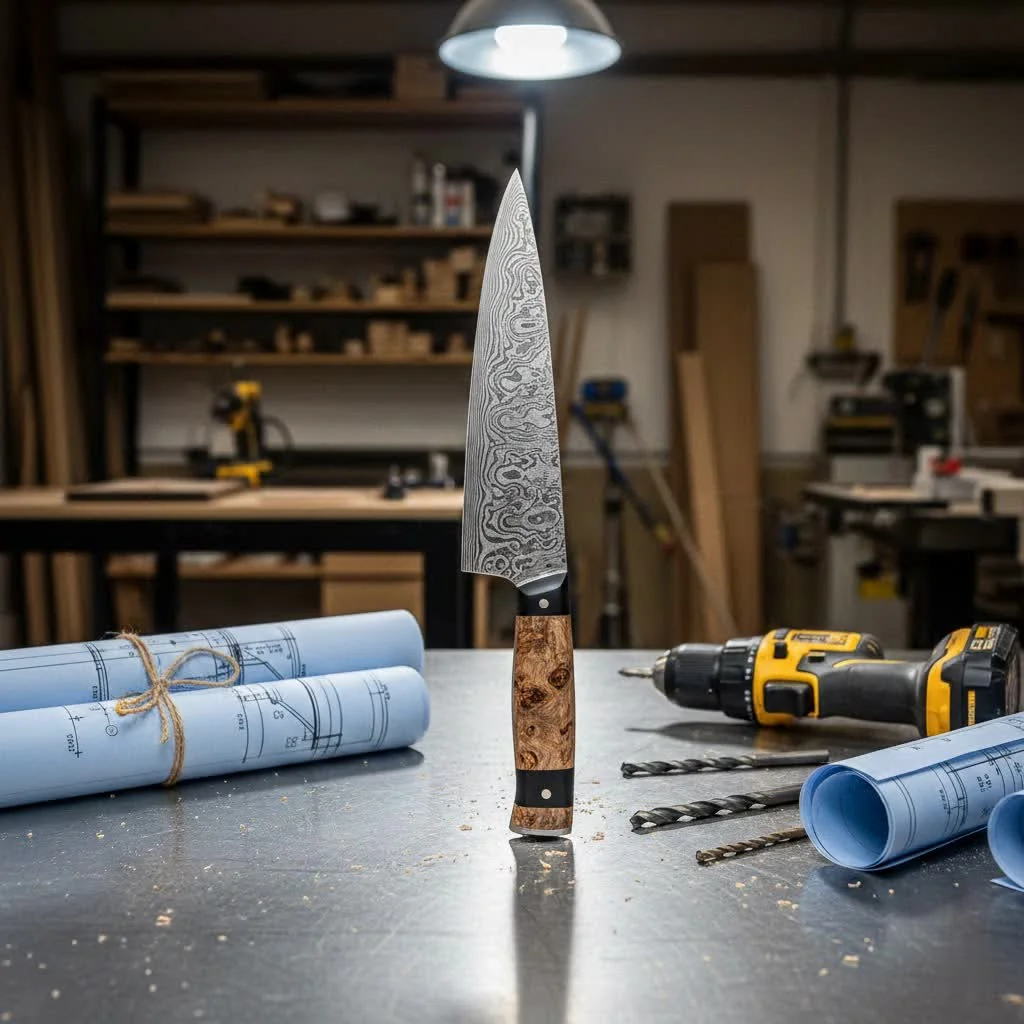 quality kitchen knife in a specialized shop” style=”margin: 20px auto;width: 800px;max-width: 100%;height: auto” />
Why a Dedicated Kitchen Knife Shop Makes All the Difference
You might think any store selling kitchenware can meet your knife needs, but that’s where the nuance lies. A dedicated kitchen knife shop specializes in the very tools that are the heart of your kitchen. Unlike general retailers, these shops often feature:
- Unparalleled Selection: From revered Japanese gyutos to robust German chef’s knives, they house a diverse array of styles, brands, and materials you won’t find anywhere else.
- Expert Knowledge: The staff are usually seasoned knife enthusiasts, often with hands-on experience in sharpening and usage. They can demystify technical terms like “Rockwell hardness” or “full tang” and guide you based on your specific cooking style and needs.
- Focus on Quality: These shops prioritize craftsmanship and performance. They understand that a good knife isn’t just sharp; it’s balanced, durable, and a joy to use.
Understanding Your Needs: The First Cut in Your Search
Before you even browse the shelves of any kitchen knife shop, take a moment to consider what you truly need.
What are the essential knives for every home cook?
Most home cooks will primarily use three types of knives for the vast majority of their tasks:
- Chef’s Knife (or Santoku): This is your workhorse for slicing, dicing, chopping, and mincing. A chef’s knife typically features a curved blade for a rocking motion, while a Santoku has a flatter profile for more precise up-and-down chopping.
- Paring Knife: Small and agile, perfect for intricate tasks like peeling fruits, deveining shrimp, or trimming vegetables.
- Bread Knife (or Serrated Utility Knife): Essential for cleanly slicing through crusty bread, tomatoes, or delicate cakes without crushing them.
While specialty knives like boning, filleting, or carving knives are wonderful additions, these three form the foundation of an efficient kitchen. Think about your most frequent cooking activities to determine if you need to expand your collection beyond these core tools.
The Great Debate: Online vs. Brick-and-Mortar Kitchen Knife Shops
Both online and physical kitchen knife shops offer distinct advantages. Your choice often comes down to your personal shopping preference and what aspects you value most.
What are the benefits of buying from an online kitchen knife shop?
|
Our Picks for the Best Kitchen Knife in 2026
As an Amazon Associate I earn from qualifying purchases.
|
||
| Num | Product | Action |
|---|---|---|
| 1 | Farberware Edgekeeper 7-Inch Santoku Knife with Self-Sharpening Blade Cover, High Carbon-Stainless Steel Kitchen Knife with Ergonomic Handle, Razor-Sharp Knife, Black |

|
| 2 | Tramontina Chef\'s Knife, Plenus, 7 Inches, Black, Dishwasher Safe, Ultra Lightweight, Made in Brazil, 23426/107 TRAMONTINA |
|
| 3 | HENCKELS Modernist Razor-Sharp 8-inch Carving Knife, German Engineered Informed by 100+ Years of Mastery, Gray |
|
| 4 | Rynal Ceramic Knife - 8 inch Chef\'s Knife - Light, Precise, Sharp Ceramic Kitchen Knife with Sheath Cover |
|
| 5 | Shun Cutlery Premier Chef\'s Knife 8”, Thin, Light Kitchen Knife, Ideal for All-Around Food Preparation, Authentic, Handcrafted Japanese Knife, Professional Chef Knife |
|
| 6 | Shun Classic Blonde 6\" Chef\'s Knife, Handcrafted Japanese Kitchen Knife for Professional and Home Chefs, VG-MAX Core with Damascus Stainless Steel Cladding, Pakkawood Handle |
|
| 7 | HAUSHOF Steak Knives Set of 4, Sharp Serrated Steak Knives, Premium Stainless Steel Steak Knife Set with Gift Box, Black Handle |
|
| 8 | Cuisinart, Classic® ColorCore® Collection, C77CR-10PW |
|
| 9 | Mercer Culinary BPX Chef\'s Knife, 6-Inch |
|
| 10 | WÜSTHOF Classic 5\" Utility Knife, Black, Stainless Steel |
|
Online kitchen knife shops typically offer:
- Wider Selection: They often boast a massive inventory from global brands, providing access to niche or hard-to-find knives.
- Competitive Pricing: Lower overhead can translate to better deals and frequent sales.
- Convenience: You can browse and purchase from the comfort of your home, anytime.
However, the downside is the inability to physically handle the knife before buying.
What are the advantages of visiting a physical kitchen knife shop?
A traditional brick-and-mortar kitchen knife shop offers:
- Hands-On Experience: You can feel the balance, weight, and handle ergonomics of a knife in your hand – a crucial factor for comfort and control.
- Personalized Advice: Engaging with knowledgeable staff allows you to ask specific questions and get tailored recommendations.
- Sharpening Services: Many local shops offer professional sharpening, an invaluable service for maintaining your blades.
Many seasoned cooks opt for a hybrid approach: researching extensively online to narrow down options, then visiting a physical store to experience the feel of their top contenders.
What to Look for in a Reputable Kitchen Knife Shop
When seeking your ideal kitchen knife shop, whether virtually or in person, certain hallmarks distinguish the best from the rest.
Diverse Selection and Authenticity
A top-tier kitchen knife shop will proudly display a broad range of high-quality knives. Look for:
- Renowned Brands: Expect to see reputable names like Wüsthof, Henckels, Victorinox, Miyabi, Shun, and Global.
- Variety of Styles: Beyond the basics, a good shop will offer specialized knives (e.g., Nakiri for vegetables, Petty for utility) and different regional styles (e.g., single-bevel Japanese, robust German).
- Transparency: Reputable shops are transparent about the origins of their knives, especially important when purchasing high-end Japanese cutlery, where authenticity is key.
Product Knowledge and Customer Service
This is where a kitchen knife shop truly shines. The best shops are run by people passionate about knives.
- Educated Staff: Can they explain the differences between various steel types (e.g., high-carbon stainless, VG-10, Aogami Super)? Do they understand blade geometries and edge angles?
- Hands-On Guidance: In a physical store, they should encourage you to hold knives, demonstrate proper grip, and even offer a test cut on a vegetable. Online, look for detailed product descriptions, high-resolution images, and responsive customer support.
- Post-Purchase Support: Check for clear return policies, warranty information, and whether they offer or recommend sharpening and maintenance services. “A truly expert kitchen knife shop doesn’t just sell you a knife; they equip you with the knowledge to care for it, ensuring it serves you for years to come,” says Julia Evans, a renowned culinary instructor and knife expert.
Decoding Knife Quality: What a Good Shop Will Educate You On
A reputable kitchen knife shop will not only sell you a knife but also educate you on what makes a quality blade.
Carbon Steel vs. Stainless Steel: Which is right for you?
This is a fundamental choice.
- Carbon Steel: Offers exceptional sharpness and edge retention, often favored by professional chefs for its superior cutting performance. However, it requires meticulous care to prevent rust and discoloration.
- Stainless Steel: More rust-resistant and easier to maintain, making it a popular choice for home cooks. Modern advancements have significantly improved the performance of high-carbon stainless steels, bridging the gap with traditional carbon steel. A good shop will explain the trade-offs and help you select based on your willingness for maintenance.
Forged vs. Stamped Construction
- Forged Knives: Made from a single bar of steel, heated and hammered into shape. They typically have a bolster (the thick part between the blade and handle) and a full tang (the blade metal extends through the entire handle), offering superior balance, durability, and a solid feel.
- Stamped Knives: Cut from a sheet of steel and then ground and sharpened. They are generally lighter, thinner, and more affordable. While some high-quality stamped knives exist, forged knives are often considered the premium choice in a kitchen knife shop due to their robust construction and balance.
Handle Design and Ergonomics
A knife’s handle is just as crucial as its blade. Look for:
- Comfort: The handle should feel natural and comfortable in your hand, allowing for a secure grip without causing fatigue.
- Material: Common materials include wood, composite, and synthetic options, each offering different aesthetics, durability, and maintenance requirements.
- Balance: A well-balanced knife feels like an extension of your arm, making it easier to control and maneuver. A good kitchen knife shop will let you experiment with different handle shapes and materials.
Beyond the Blade: Essential Accessories and Services
A truly comprehensive kitchen knife shop understands that a knife is part of an ecosystem.
What essential accessories should I consider from a kitchen knife shop?
- Cutting Boards: High-quality cutting boards (wood, composite, or soft plastic) protect your knife’s edge and provide a stable, hygienic surface.
- Sharpening Tools: A good knife needs good sharpening. Options include whetstones (for precision sharpening), honing steels (for maintaining the edge between sharpenings), and electric sharpeners (for convenience).
- Knife Storage: Blocks, magnetic strips, and in-drawer organizers keep your knives safe and prevent damage to their edges.
Many kitchen knife shops also offer professional sharpening services, which can be an excellent way to maintain your valuable knives.
Expert’s Corner: The Awilu Edge
“Choosing a knife is a deeply personal experience,” says Chef Antoine Dubois, a culinary consultant with decades of experience. “The best kitchen knife shop empowers you to find a tool that not only performs flawlessly but also feels like an extension of your own hand. Don’t rush the process, and never underestimate the value of expert advice.” Here at Awilu, we echo Chef Dubois’ sentiment, striving to be that trusted resource for every enthusiast.
FAQs About Kitchen Knife Shops
What’s the most important knife to buy first from a kitchen knife shop?
For most home cooks, a high-quality 8-inch chef’s knife or a 7-inch Santoku knife is the most important first purchase. These versatile knives handle the majority of kitchen tasks.
Are knife sets a good value, or should I buy individual knives?
While knife sets seem convenient, often only a few knives in a set are truly high quality. We generally recommend investing in a few excellent individual knives that you’ll use frequently, rather than a large set of mediocre ones.
How often should I sharpen my knives?
The frequency depends on usage and knife material. As a general rule, hone your knives regularly (every 2-3 uses) with a honing steel, and have them professionally sharpened or use a whetstone for a true sharpen every 6-12 months, or as soon as you notice them dragging through food.
What’s the main difference between Japanese and German knives?
Japanese knives often feature harder steel, thinner blades, and sharper edge angles, making them exceptionally precise but sometimes more delicate. German knives typically use softer, tougher steel, with thicker blades and more acute edge angles, offering robustness and durability, ideal for heavier-duty tasks.
Can I trust online reviews when choosing a kitchen knife shop?
Yes, online reviews can be very helpful, especially when looking at the overall reputation for customer service, shipping, and product authenticity. However, always cross-reference information and consider reviews that detail specific experiences.
The Journey to Your Ideal Kitchen Tools
Embarking on the search for the perfect kitchen knife is a journey, and the right kitchen knife shop is your most reliable guide. It’s not just about the transaction; it’s about connecting with a resource that understands your passion for cooking and respects the tools that make it possible. By focusing on shops that offer a diverse, authentic selection, exceptional product knowledge, and outstanding customer service, you’re sure to find the knives that will be by your side for every delicious creation. Explore wisely, choose with confidence, and let your culinary adventures begin!
Frequently Asked Questions
What's the most important knife to buy first from a kitchen knife shop?
For most home cooks, a high-quality 8-inch chef's knife or a 7-inch Santoku knife is the most important first purchase. These versatile knives handle the majority of kitchen tasks, from slicing and dicing to chopping and mincing, making them the foundation of an efficient kitchen.
Are knife sets a good value, or should I buy individual knives?
While knife sets seem convenient, often only a few knives in a set are truly high quality. We generally recommend investing in a few excellent individual knives that you'll use frequently, such as a chef's knife, paring knife, and bread knife, rather than a large set of mediocre ones. This approach ensures better performance and longevity for your most-used tools.
How often should I sharpen my kitchen knives?
The frequency of sharpening depends on usage and knife material. As a general rule, hone your knives regularly (every 2-3 uses) with a honing steel to maintain the edge, and have them professionally sharpened or use a whetstone for a true sharpen every 6-12 months, or as soon as you notice them dragging through food.
What's the main difference between Japanese and German knives?
Japanese knives often feature harder steel, thinner blades, and sharper edge angles (typically 15 degrees per side), making them exceptionally precise but sometimes more delicate. German knives typically use softer, tougher steel, with thicker blades and more acute edge angles (around 20 degrees per side), offering robustness and durability ideal for heavier-duty tasks.
Can I trust online reviews when choosing a kitchen knife shop?
Yes, online reviews can be very helpful, especially when looking at the overall reputation for customer service, shipping, and product authenticity. However, always cross-reference information and consider reviews that detail specific experiences with product quality and support, as individual experiences can vary.
Cooking gear we tested in our own kitchens
Free PDF — preheat times measured on 10 popular air fryers.
As a professional, I’m always on the lookout for reliable tools. The selection of bread knives at the shop was impressive, and I found one with a unique serration that works wonders on crusty loaves without tearing. The expert knowledge from the staff was a big plus, helping me narrow down my choices efficiently. It’s great to have a go-to place for serious cutlery.
I used to just grab whatever knife was on sale, but after visiting a specialized kitchen knife shop, I totally get the difference. The staff helped me pick out a fantastic chef’s knife that feels perfectly balanced in my hand. It’s made such a huge impact on my meal prep, I actually enjoy chopping vegetables now. Definitely worth investing in quality tools from a place that knows their stuff.
I appreciate the focus on quality that a dedicated shop offers, and I did find a decent paring knife. However, I felt the prices were a bit steep compared to what I’ve seen online for similar brands. While the hands-on experience was good, I wish there were more options in a mid-range budget. It’s hard to justify the cost for every single knife I need.
I’ve always struggled with dull knives, and I never realized how much of a difference a good shop could make. They helped me understand the importance of a proper edge and even showed me how to maintain it. My new set of knives, especially the utility knife, has transformed my cooking. It’s so much safer and more enjoyable now.