A high-quality forged kitchen knife set significantly elevates your cooking experience by offering superior durability, balance, and edge retention compared to stamped knives. Forged knives are crafted from a single bar of steel, heated and hammered into shape, resulting in a denser, stronger blade with a full tang and bolster for enhanced safety and performance. This traditional manufacturing process ensures a tool that is both precise and resilient, making intricate cuts feel stable and controlled.
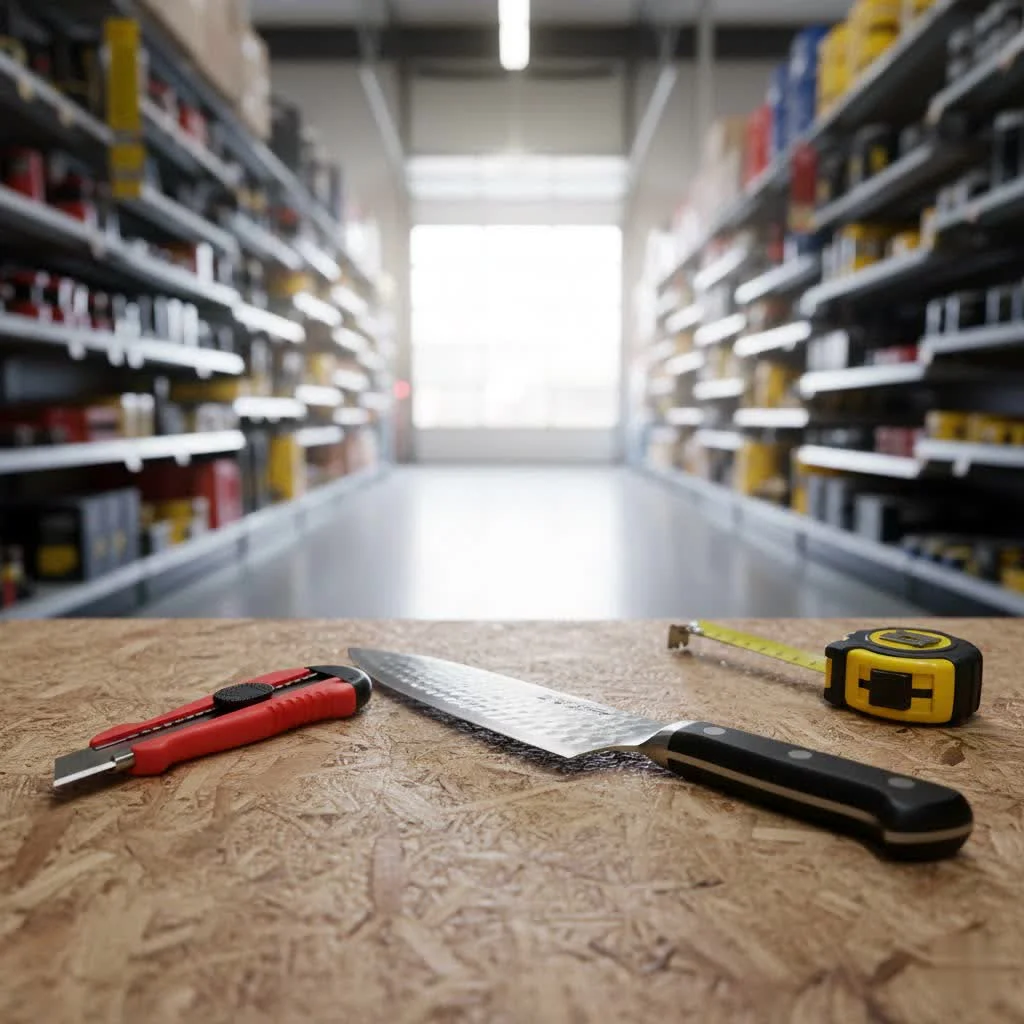
What Makes a Forged Knife Truly Special?
At its core, a forged knife is a shows traditional craftsmanship, combined with modern engineering. Imagine a skilled artisan, or a powerful machine, taking a single bar of steel, heating it to immense temperatures, and then hammering or pressing it repeatedly into the shape of a blade. This intense process compresses the steel, aligning its grain structure and creating a denser, stronger blade.
This unique manufacturing method gives forged knives several defining characteristics. You’ll often notice a thicker spine and a distinct, robust feel in your hand. Most forged knives also feature a “bolster,” the thick junction between the blade and the handle, which adds significant weight and balance, acting as a finger guard for safety. Crucially, many boast a “full tang,” meaning the blade metal extends all the way through the handle, secured by rivets. This construction provides superior strength, durability, and a perfectly balanced feel that makes intricate cuts feel stable and controlled.
“A truly forged knife isn’t just cut; it’s sculpted. This process creates a tool with unparalleled balance and resilience that you can feel in every chop.” – Awilu’s Master Bladesmith, Kai Chen.
Forged vs. Stamped: Unraveling the Core Differences
When you’re shopping for kitchen knives, you’ll primarily encounter two types based on their manufacturing process: forged and stamped. While both can serve a purpose, understanding their fundamental differences is key to making an informed choice for your kitchen.
Here’s a quick breakdown to help you distinguish between the two:
| Feature | Forged Knives | Stamped Knives |
|---|---|---|
| Manufacturing | Heated and hammered from a single steel bar. | Cut from large sheets of steel (like a cookie cutter). |
| Durability | Exceptionally strong and durable due to compressed steel. | Generally less durable, prone to bending under heavy use. |
| Balance | Superior balance and weight distribution, often with a bolster. | Lighter, sometimes feel less balanced, typically no bolster. |
| Edge Retention | Holds a sharp edge longer due to denser steel. | May dull faster, requiring more frequent sharpening. |
| Full Tang | Commonly features a full tang for strength and stability. | Often has a partial tang or no tang, less sturdy. |
| Bolster | Usually has a bolster for safety and balance. | Typically lacks a true bolster. |
| Thickness | Thicker spine, tapering to a fine edge. | Uniformly thin throughout the blade. |
| Cost | Generally higher initial investment. | More budget-friendly. |
While stamped knives are often lighter and more flexible, which can be advantageous for delicate tasks like filleting, their forged counterparts excel in almost every other aspect. The enhanced durability, superior balance, and longer-lasting edge of a forged kitchen knife set make them a worthwhile investment for any serious cook. They provide the heft needed for powerful cuts through tough ingredients and the precision required for delicate work, all while offering improved safety and longevity.
What to Look for in a High-Quality Forged Kitchen Knife Set
Choosing the right forged kitchen knife set involves more than just picking a brand. It’s about understanding the elements that contribute to a knife’s performance and comfort.
Blade Material: The Heart of the Knife
|
Our Picks for the Best Kitchen Knife in 2026
As an Amazon Associate I earn from qualifying purchases.
|
||
| Num | Product | Action |
|---|---|---|
| 1 | Farberware Edgekeeper 7-Inch Santoku Knife with Self-Sharpening Blade Cover, High Carbon-Stainless Steel Kitchen Knife with Ergonomic Handle, Razor-Sharp Knife, Black |

|
| 2 | WÜSTHOF Classic 5\" Utility Knife, Black, Stainless Steel |
|
| 3 | HENCKELS Modernist Razor-Sharp 8-inch Carving Knife, German Engineered Informed by 100+ Years of Mastery, Gray |
|
| 4 | Shun Cutlery Premier Chef\'s Knife 8”, Thin, Light Kitchen Knife, Ideal for All-Around Food Preparation, Authentic, Handcrafted Japanese Knife, Professional Chef Knife |
|
| 5 | Cuisinart, Classic® ColorCore® Collection, C77CR-10PW |
|
| 6 | Tramontina Chef\'s Knife, Plenus, 7 Inches, Black, Dishwasher Safe, Ultra Lightweight, Made in Brazil, 23426/107 TRAMONTINA |
|
| 7 | HAUSHOF Steak Knives Set of 4, Sharp Serrated Steak Knives, Premium Stainless Steel Steak Knife Set with Gift Box, Black Handle |
|
| 8 | Mercer Culinary BPX Chef\'s Knife, 6-Inch |
|
| 9 | Shun Classic Blonde 6\" Chef\'s Knife, Handcrafted Japanese Kitchen Knife for Professional and Home Chefs, VG-MAX Core with Damascus Stainless Steel Cladding, Pakkawood Handle |
|
| 10 | Rynal Ceramic Knife - 8 inch Chef\'s Knife - Light, Precise, Sharp Ceramic Kitchen Knife with Sheath Cover |
|
The type of steel used profoundly impacts a knife’s sharpness, edge retention, and resistance to corrosion. For a top-tier forged kitchen knife set, you’ll want to prioritize:
- High-Carbon Stainless Steel: This is the gold standard for most quality kitchen knives. It offers an excellent balance of sharpness, edge retention, toughness, and good corrosion resistance. While not entirely rust-proof, it’s far less reactive than pure carbon steel.
- Damascus Steel: Known for its striking layered patterns, Damascus steel often combines different types of steel, offering exceptional sharpness and durability, along with unique aesthetic appeal. These can sometimes require a little more specific care.
Construction and Balance: More Than Just Metal
Beyond the blade itself, how a knife is constructed and how it feels in your hand are critical for both performance and safety.
- Full Tang: As discussed, a full tang means the blade extends the full length of the handle. This construction ensures maximum strength, durability, and balance, preventing the blade from breaking or becoming loose from the handle over time. Look for visible rivets securing the handle scales to the tang.
- Bolster: The bolster not only provides a natural stop for your hand, enhancing safety, but it also contributes significantly to the knife’s overall balance, making it feel like an extension of your arm.
- Handle Material and Ergonomics: A comfortable grip is paramount. Handles are made from various materials like wood, composite, or synthetic polymers. Choose a material that feels secure in your hand, even when wet, and a shape that fits your grip without causing fatigue during prolonged use.
Essential Knives in Your Set: Quality Over Quantity
While it’s tempting to get a massive set, a few high-quality, essential knives will serve you far better than a drawer full of mediocre ones. For a well-rounded forged kitchen knife set, ensure it includes:
- Chef’s Knife (8-inch): This is your workhorse, indispensable for chopping, slicing, dicing, and mincing. It should feel balanced and comfortable for most tasks.
- Paring Knife (3-4 inch): Perfect for small, intricate tasks like peeling fruits, deveining shrimp, or trimming vegetables.
- Serrated Utility/Bread Knife (6-10 inch): Ideal for slicing through crusty bread, tomatoes, or anything with a tough exterior and soft interior without crushing it.
- Utility Knife (5-6 inch): A versatile knife for tasks too small for a chef’s knife but too large for a paring knife, like slicing sandwiches or larger vegetables.
- Optional but Recommended: A Santoku knife for a different cutting style, or a carving knife for roasts.
Many professional chefs, myself included, often prefer to start with 3-4 exceptional knives and build their collection rather than buying a large set where many pieces go unused or are of lesser quality.
Brand Reputation and Investment
Investing in a forged kitchen knife set from a reputable brand (like Zwilling, Wüsthof, or Mercer, to name a few well-regarded names) is an investment in quality and longevity. These brands have generations of experience and stand behind their products. While the initial cost might be higher, the durability, performance, and enjoyment you’ll get from a well-made forged set will far outweigh the expense over the years. Think of it as an heirloom—with proper care, your forged knives can last a lifetime, even becoming a cherished item passed down through generations.
Keeping Your Forged Kitchen Knife Set Pristine: Care and Maintenance
Even the finest forged kitchen knife set needs a little love to maintain its peak performance and stunning appearance. Proper care isn’t just about preserving your investment; it’s about ensuring safety and maximizing efficiency in your kitchen.
The Golden Rules of Cleaning
This is where many home cooks unintentionally shorten the life of their knives.
- Hand Wash Immediately: After each use, especially after cutting acidic foods like onions or citrus, immediately wash your knives by hand with warm water and a mild dish soap.
- Dry Thoroughly: This step is crucial. Never let your forged knives air dry, and never leave them soaking in the sink. Use a clean towel to dry them completely immediately after washing. Moisture is the enemy, leading to rust, especially with high-carbon steel.
- Absolutely No Dishwasher: I cannot stress this enough. The harsh detergents, high heat, and jostling inside a dishwasher are detrimental to any quality knife, especially forged ones. It can dull the edge, corrode the blade, and damage the handle materials.
Sharpening and Honing for Peak Performance
A sharp knife is a safe knife. Dull blades require more force, increasing the risk of slips and accidents.
- Honing for Daily Maintenance: A honing steel doesn’t sharpen your knife; it realigns the microscopic edge that gets bent during use. A few passes on a honing steel before or after each use will keep your edge straight and feeling sharp. Choose a honing steel longer than your longest knife for best results.
- Sharpening for a New Edge: Eventually, honing won’t be enough, and your knife will need actual sharpening to remove a tiny bit of steel and create a new edge. Whetstones (water stones) are the preferred method for many, offering precise control. If you’re not comfortable sharpening yourself, seek out a professional knife sharpener. Avoid “pull-through” sharpeners, as they often remove too much material and can damage the blade geometry.
Safe Storage Solutions
Proper storage protects both your knives and your hands.
- Knife Blocks: The most common storage method, offering individual slots that protect the blades. Ensure the block is clean and dry.
- Magnetic Knife Strips: A stylish and practical solution that keeps knives visible, easily accessible, and prevents blade contact. Make sure your knives are completely dry before placing them on the strip.
- Blade Guards/Sheaths: If storing in a drawer, always use blade guards or individual sheaths to prevent the edges from hitting other utensils, which can dull or chip them.
Preventing Rust and Patina (Especially for Carbon Steel)
While high-carbon stainless steel resists rust well, pure carbon steel knives will develop a “patina”—a grey/blue/brown discoloration—over time. This is normal and actually forms a protective layer against corrosion, giving your knife character.
- Oiling: For carbon steel blades, and as an extra layer of protection for high-carbon stainless, occasionally rub a thin layer of food-safe oil (like mineral oil, camellia oil, or even olive oil) over the blade after washing and drying.
- Addressing Rust Spots: If small rust spots appear, a non-abrasive scrubbing pad with a little water or light cooking oil can often remove them. For stubborn spots, a paste of vinegar and baking soda can help.
Conclusion
A forged kitchen knife set is more than just a collection of tools; it’s an investment in your culinary journey. It represents a commitment to quality, precision, and an elevated cooking experience. From the satisfying heft in your hand to the razor-sharp edge that glides effortlessly through ingredients, these knives are designed to be true partners in your kitchen, making every task a pleasure. By understanding what makes them special, knowing what to look for, and dedicating a little time to their care, you’ll ensure your forged kitchen knife set remains a cornerstone of your culinary adventures for decades to come.
So, go ahead, explore the world of forged cutlery. Feel the difference, embrace the craftsmanship, and improve your cooking. Your kitchen—and your taste buds—will thank you.
Maintain Your Forged Kitchen Knife Set
Proper care and maintenance are essential to keep your forged kitchen knife set in pristine condition, ensuring longevity and peak performance.
After each use, especially after cutting acidic foods, wash your knives by hand with warm water and a mild dish soap. This prevents food acids from corroding the blade and maintains hygiene.
Immediately after washing, use a clean towel to dry your knives completely. Never let them air dry or soak in the sink, as moisture is the primary cause of rust, particularly on high-carbon steel.
Use a honing steel before or after each use to realign the microscopic edge of your blade. This maintains sharpness and reduces the need for frequent sharpening. Choose a honing steel longer than your longest knife for best results.
Store your knives in a knife block, on a magnetic knife strip, or with individual blade guards. Proper storage protects the sharp edges from damage and prevents accidents, ensuring your knives remain in top condition.
Cooking gear we tested in our own kitchens
Free PDF — preheat times measured on 10 popular air fryers.

I’ve been a chef for over 20 years, and I can attest to the superior durability of forged knives. The edge retention on my new set is fantastic, holding up through busy dinner services without needing constant sharpening. It’s definitely worth the investment for anyone serious about cooking.
I finally upgraded to a forged kitchen knife set after years of using cheap stamped knives, and the difference is night and day. The balance is incredible, making chopping vegetables so much easier and safer. I especially appreciate the full tang and bolster; it really feels like a professional tool in my hand.
The forged knife set I bought is mostly great, with excellent precision for intricate cuts. However, I found the initial sharpness wasn’t quite as razor-sharp as I expected right out of the box. It took a bit of honing to get it to where I like it, which was a minor inconvenience.
My old knives were always dull and felt flimsy. Switching to a forged set has completely transformed my cooking experience. The density of the blade is noticeable, and it just feels so much more resilient. I love how stable and controlled my cuts are now.