Hello, fellow knife enthusiasts and culinary adventurers! As someone who’s spent over fifteen years immersed in the world of kitchen knives, I’ve seen countless blades come and go, each promising to revolutionize your cooking. But every now and then, a knife emerges that genuinely captures the spirit of tradition while delivering exceptional performance. Today, we’re going to talk about one such marvel: the Almazan Kitchen Knife. This isn’t just another piece of cutlery; it’s a statement, a work of art, and a beast in the kitchen all rolled into one. If you’re looking to elevate your culinary game with a knife that boasts both rustic charm and ruthless efficiency, you’re in the right place.
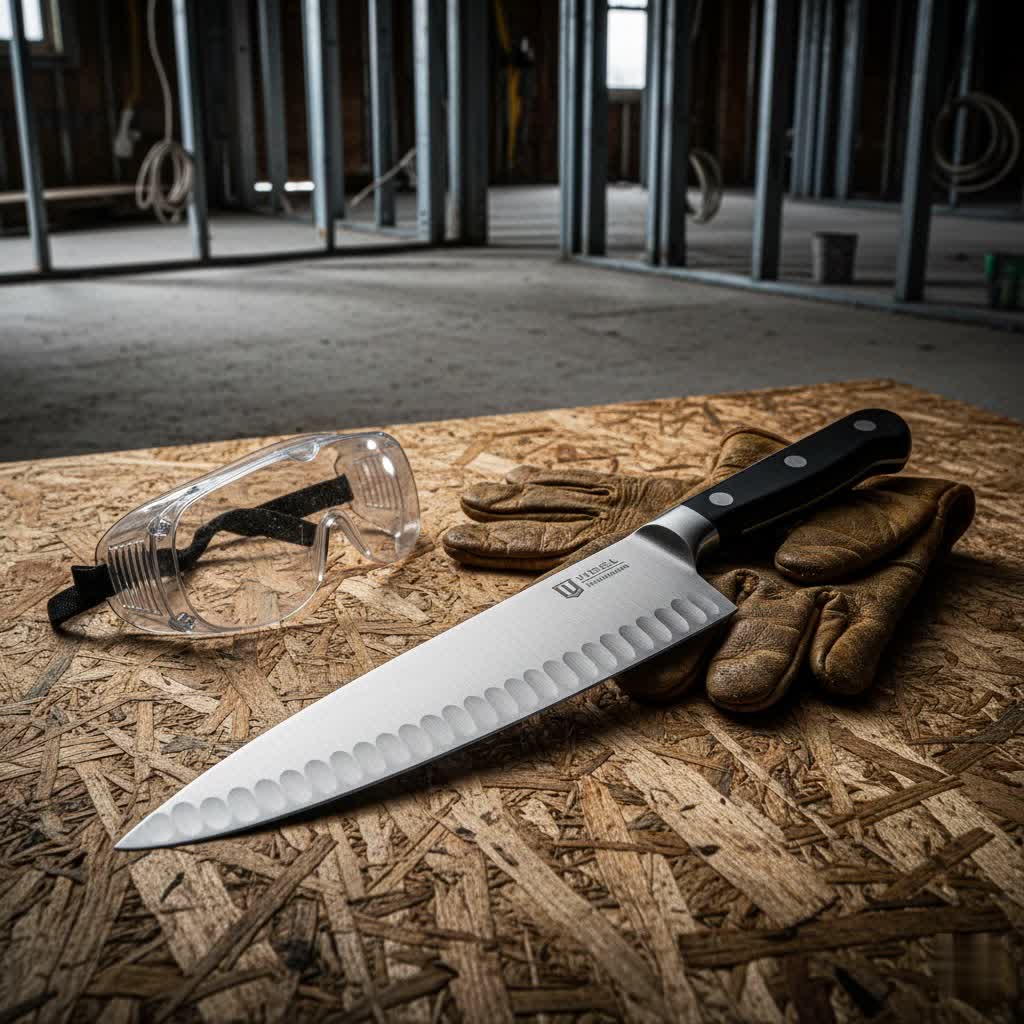
The Almazan Kitchen knife has garnered a loyal following, often seen in captivating outdoor cooking videos, demonstrating its incredible versatility. It’s a knife that doesn’t just cut; it performs, inspires, and transforms your cooking experience. Imagine a single tool that feels equally at home delicately slicing a ripe tomato as it does tackling a tough butternut squash or even processing firewood for your outdoor grill. That’s the essence of the Almazan Kitchen knife, a true Serbian chef knife.
What Makes the Almazan Kitchen Knife So Special?
At first glance, the Almazan Kitchen knife immediately stands out from the typical Western or Japanese chef’s knives you might be accustomed to. Its distinctive, cleaver-like shape, often featuring a broad, rounded blade, hints at its heritage and purpose. This isn’t a factory-line product; each original Almazan Kitchen knife is traditionally hand-forged by skilled artisans, often hailing from the mystical Mt. Rtanj in Serbia. This craftsmanship imbues each blade with a unique character and unparalleled durability.
This Serbian chef knife is a testament to functional design, prioritizing robust performance over sleek aesthetics, although its rustic appeal is undeniably charming. It’s designed to be a true workhorse, capable of handling a vast array of tasks that would typically require multiple specialized knives. From smashing garlic cloves with the flat of its blade to finely dicing vegetables or effortlessly breaking down large cuts of meat, its versatility is a core part of its appeal. As Chef Nikola Jovanović, a renowned Serbian culinary expert, once put it, “The Almazan Kitchen knife isn’t just a tool; it’s an extension of the chef’s hand, embodying the rugged beauty and spirit of traditional cooking.” It’s this blend of raw power and surprising finesse that truly sets it apart.
The Heart of the Blade: Materials and Craftsmanship
Understanding the materials and the meticulous process behind an Almazan Kitchen knife reveals why it performs with such distinction.
High Carbon Steel: Power and Precision
|
Our Picks for the Best Kitchen Knife in 2026
As an Amazon Associate I earn from qualifying purchases.
|
||
| Num | Product | Action |
|---|---|---|
| 1 | WÜSTHOF Classic 5\" Utility Knife, Black, Stainless Steel |

|
| 2 | Cuisinart, Classic® ColorCore® Collection, C77CR-10PW |
|
| 3 | Shun Classic Blonde 6\" Chef\'s Knife, Handcrafted Japanese Kitchen Knife for Professional and Home Chefs, VG-MAX Core with Damascus Stainless Steel Cladding, Pakkawood Handle |
|
| 4 | Rynal Ceramic Knife - 8 inch Chef\'s Knife - Light, Precise, Sharp Ceramic Kitchen Knife with Sheath Cover |
|
| 5 | Tramontina Chef\'s Knife, Plenus, 7 Inches, Black, Dishwasher Safe, Ultra Lightweight, Made in Brazil, 23426/107 TRAMONTINA |
|
| 6 | HENCKELS Modernist Razor-Sharp 8-inch Carving Knife, German Engineered Informed by 100+ Years of Mastery, Gray |
|
| 7 | Shun Cutlery Premier Chef\'s Knife 8”, Thin, Light Kitchen Knife, Ideal for All-Around Food Preparation, Authentic, Handcrafted Japanese Knife, Professional Chef Knife |
|
| 8 | Farberware Edgekeeper 7-Inch Santoku Knife with Self-Sharpening Blade Cover, High Carbon-Stainless Steel Kitchen Knife with Ergonomic Handle, Razor-Sharp Knife, Black |
|
| 9 | HAUSHOF Steak Knives Set of 4, Sharp Serrated Steak Knives, Premium Stainless Steel Steak Knife Set with Gift Box, Black Handle |
|
| 10 | Mercer Culinary BPX Chef\'s Knife, 6-Inch |
|
The most iconic Almazan Kitchen knives are crafted from high carbon steel, a material revered for its exceptional cutting properties. Unlike its stainless steel counterparts, high carbon steel boasts superior edge retention, meaning it stays sharper for longer even under rigorous use. It’s incredibly tough and can withstand significant stress without chipping or breaking. Most Almazan Kitchen knives feature a Rockwell hardness rating of 58-60 HRC, which is an excellent balance between hardness for edge retention and toughness for durability. This allows the blade to take and hold a razor-sharp edge, making precision cuts effortless.
However, with great power comes great responsibility, or in this case, a need for dedicated care. High carbon steel is prone to rust if not properly maintained. But don’t let that deter you; with a simple care routine, your Almazan Kitchen knife will not only last a lifetime but also develop a beautiful, protective patina that tells the story of every meal it has helped create. Think of it like a trusted cast-iron pan—it requires a little love, but the rewards are immense.
Hand-Forged Excellence
The term “hand-forged” isn’t just a marketing buzzword for the Almazan Kitchen knife; it signifies a centuries-old tradition of blacksmithing. Each blade is individually shaped by hammering heated steel, a process that refines the grain structure of the metal, making the knife stronger and more resilient than mass-produced, stamped blades. This isn’t merely about aesthetics; it’s about building inherent strength and durability into the very fiber of the knife. Because each knife is forged by hand, no two are exactly alike, giving your Almazan Kitchen knife a unique, rustic appearance that factory knives simply can’t replicate. This individuality is part of its charm and a testament to the artisan’s skill.
The Handle: Comfort and Control
The handle of an Almazan Kitchen knife is designed for both durability and ergonomic comfort. Often made from materials like Pakkawood or Serbian walnut, these handles are not only beautiful but also incredibly robust. Pakkawood, a stabilized wood composite, is known for its density and resistance to moisture, making it ideal for the demanding environment of a kitchen. Serbian walnut offers a natural, tactile feel while still being exceptionally durable. The handle’s design provides a secure and comfortable grip, reducing fatigue during extended periods of use, and ensuring superior control for both heavy chopping and delicate slicing. A full tang construction, where the blade steel extends through the entire length of the handle, further enhances the knife’s balance and structural integrity.
Almazan Kitchen Knife vs. Your Standard Chef’s Knife: The Key Differences
When comparing an Almazan Kitchen knife to a standard Western chef’s knife, it’s like contrasting a rugged SUV with a sleek sports car – both are excellent, but designed for different terrains and driving styles.
Design Philosophy: Cleaver-like Versatility
The most striking difference lies in its shape. While a traditional chef’s knife typically features a curved belly for rock chopping, the Almazan Kitchen knife often presents a straighter edge with a pronounced curve towards the tip, resembling a hybrid between a chef’s knife and a cleaver. This unique profile encourages a different cutting motion, often a push cut or a powerful chopping action, making it exceptionally effective for breaking down tough vegetables, large cuts of meat, and even small bones. Its heavy bulk aids in slicing through dense foods, allowing the knife’s weight to do much of the work. While it may require a slight adjustment to your technique, this design offers incredible versatility that many standard chef’s knives can’t match.
Bushcraft vs. Chef Style
It’s important to note that “Almazan Kitchen knife” often refers to a style that can come in different iterations. Generally, you’ll find two main types:
- Bushcraft Style: This version typically features a thicker, heavier blade (around 5/32″ or 4mm thick). It’s built for rugged outdoor use, capable of tasks like chopping wood, hacking through dense materials, and general wilderness skills, in addition to culinary duties.
- Chef Style: This variant has a thinner blade (around 3/32″ or 2.4mm thick), making it lighter and more agile. It’s optimized for precise kitchen tasks like slicing, dicing, and mincing, providing a finer edge for delicate work while still retaining the core strength and versatility of the Almazan design.
Choosing between the two depends on your primary use case. For most home cooks seeking a versatile kitchen workhorse, the chef-style Almazan Kitchen knife is usually the more practical choice.
Unlocking Its Full Potential: Usage Tips and Techniques
Using an Almazan Kitchen knife effectively is all about embracing its unique design and power. Here are a few tips to help you get the most out of your Serbian chef knife:
- Embrace the Chop: Its weight and robust blade are ideal for chopping, making quick work of root vegetables, large onions, and even tough meat. Let the knife’s heft do the heavy lifting, reducing strain on your wrist.
- Push Cuts are Your Friend: The straighter edge often lends itself well to push cuts. Instead of rocking the blade, try pushing it straight down and slightly forward through your ingredients. This is incredibly efficient for precise slices.
- Smash and Mince: The broad, flat side of the blade is perfect for smashing garlic cloves or ginger, a technique that releases their aromatics beautifully. You can also use it to gather chopped ingredients from your cutting board.
- Outdoor Companion: If you opt for the bushcraft style, don’t hesitate to take it camping. Its durability and versatility mean it can handle everything from preparing food to light wood processing for a campfire.
- Adapt Your Grip: While the handle is ergonomic, the larger blade might require a slightly different grip than you’re used to. Experiment with a “pinch grip” (thumb and index finger on the blade, fingers wrapped around the handle) closer to the bolster for maximum control.
Keeping Your Almazan Kitchen Knife in Peak Condition: Care and Maintenance
Because most Almazan Kitchen knives are made from high carbon steel, a proactive approach to care is crucial. It’s not difficult, but it is necessary to prevent rust and maintain its exceptional performance.
The Carbon Steel Conundrum: Preventing Rust
- Immediate Cleaning: The golden rule for carbon steel: wash your knife immediately after use with warm water and a mild dish soap. Do not let food residue sit on the blade, especially acidic foods, as this significantly accelerates rust formation.
- Thorough Drying: After washing, dry the knife completely with a clean towel. Never air dry, and absolutely never leave it wet in the sink or dishwasher. Humidity is carbon steel’s enemy.
- Oiling is Essential: For extra protection and during long-term storage, apply a thin coat of food-grade mineral oil or vegetable oil to the blade. This creates a barrier against moisture and oxygen. At Awilu.com, we always recommend a high-quality mineral oil for its stability and effectiveness.
- Forcing a Patina: Many carbon steel enthusiasts choose to “force” a patina on their blades. A patina is a natural, dark grey or blue-ish layer of oxidation that forms on carbon steel, providing a protective barrier against rust and adding to the knife’s unique character. You can accelerate this process by wiping the blade with acidic substances like vinegar or coffee, letting it sit for a few minutes, then rinsing and drying. This controlled oxidation is far better than uncontrolled red rust.
Proper Storage for Longevity
Never toss your Almazan Kitchen knife into a drawer with other utensils. This is a surefire way to chip the blade, dull the edge, and risk injury. Instead:
- Use a Sheath: Many Almazan Kitchen knives come with a beautiful leather sheath, which is ideal for safe storage and transport.
- Magnetic Knife Strip: A magnetic knife strip mounted on your wall is an excellent way to store knives safely, keep them easily accessible, and showcase their beauty.
- Knife Block: If you prefer a knife block, ensure the slots are large enough to accommodate the Almazan’s distinctive blade shape without forcing it.
Sharpening Your Almazan Kitchen Knife: Maintaining Razor-Sharpness
One of the great advantages of high carbon steel, as found in the Almazan Kitchen knife, is how receptive it is to sharpening. While it holds an edge exceptionally well, all knives eventually need maintenance.
Carbon steel is generally easier to sharpen than harder stainless steels. You don’t need highly specialized equipment. A good quality sharpening stone (whetstone) is often all you need. Look for a two-sided stone with a coarse grit (around 400-600) for repairing dull or slightly damaged edges, and a finer grit (1000-3000) for honing and achieving a razor-sharp finish. Diamond stones are also excellent for carbon steel.
When sharpening, aim for an angle between 12°-15° per side for a keen, durable edge. The broad, flat surface of the Almazan blade can actually make it quite user-friendly for maintaining a consistent angle on a stone. While some electric sharpeners exist, their guides might not accommodate the thickness or unique profile of the Almazan Kitchen knife, especially the bushcraft versions. For these substantial blades, a manual system or freehand sharpening with stones usually yields the best results. As I always tell my students, “A sharp knife is a safe knife, and a well-cared-for carbon steel blade will reward your efforts with unparalleled cutting performance every single time.”
Expert Insights: Is the Almazan Kitchen Knife Right for You?
So, after delving into the world of the Almazan Kitchen knife, is it the right blade for your culinary journey? From my perspective, this knife truly shines for individuals who:
- Appreciate Tradition and Craftsmanship: If you value the story behind a knife, the hand-forged artistry, and a tool that connects you to an older way of cooking, the Almazan will resonate deeply.
- Seek Versatility: For those who want one knife that can confidently tackle a wide range of tasks—from heavy chopping to delicate slicing, and even some outdoor utility—this knife is a champion.
- Are Willing to Invest in Care: The carbon steel requires consistent cleaning and oiling. If you’re prepared for this simple routine, you’ll enjoy a knife that performs beautifully for years. If low-maintenance is your top priority, stainless steel might be a better fit.
- Desire a Unique Statement Piece: Beyond its function, the Almazan Kitchen knife is a conversation starter. Its rustic elegance and formidable presence make it a standout in any kitchen.
While its weight might be a consideration for those accustomed to very lightweight knives, most users quickly adapt and learn to leverage its heft to their advantage. The initial sharpness out of the box can vary, but as we’ve discussed, bringing it to a keen edge is a straightforward process.
Frequently Asked Questions About the Almazan Kitchen Knife
Here are some common questions I hear about this remarkable knife:
Q: Where does the Almazan Kitchen knife come from?
A: The original Almazan Kitchen knives are hand-forged in Serbia, often associated with blacksmiths from the Mt. Rtanj region, embodying a traditional Serbian chef knife design.
Q: Is the Almazan Kitchen knife made of carbon steel or stainless steel?
A: The most recognized and traditional Almazan Kitchen knives are made from high carbon steel, prized for its edge retention and toughness. Some manufacturers may offer stainless steel versions, but carbon steel is the signature material.
Q: How do I prevent my Almazan Kitchen knife from rusting?
A: To prevent rust, always wash the knife immediately after use, dry it thoroughly, and apply a thin layer of food-grade mineral or vegetable oil to the blade before storage. You can also force a protective patina with acidic substances like vinegar.
Q: What’s the difference between the Bushcraft and Chef style Almazan knives?
A: The Bushcraft style features a thicker, heavier blade (approx. 5/32″) designed for rugged outdoor tasks like chopping wood, while the Chef style has a thinner blade (approx. 3/32″) optimized for finer kitchen tasks like slicing and dicing.
Q: Can I use a regular knife sharpener on an Almazan Kitchen knife?
A: Most ordinary knife sharpeners can be used, especially whetstones or diamond stones. However, some electric sharpeners may not accommodate the Almazan’s unique thickness or blade profile, particularly for the bushcraft version. Manual sharpening often provides better control and results.
Q: Is it heavy to use?
A: Yes, the Almazan Kitchen knife is notably heavier than many standard chef’s knives, especially the bushcraft variants. This weight is intentional, aiding in chopping and allowing the knife’s momentum to assist in cutting, though it may take some getting used to.
Embrace the Legacy of the Serbian Blade
The Almazan Kitchen knife is more than just a cutting tool; it’s a culinary companion steeped in tradition and built for resilience. Its hand-forged high carbon steel blade, robust handle, and unique design offer a cutting experience that is both powerful and surprisingly precise. Yes, it demands a little more attention in terms of care, but the rewards are immeasurable: a knife that holds a phenomenal edge, handles virtually any kitchen task with ease, and will faithfully serve you for generations.
If you’re ready to move beyond the ordinary and embrace a knife with character, history, and unparalleled performance, the Almazan Kitchen knife is waiting for you. Bring this magnificent Serbian chef knife into your home, master its rhythms, and you’ll discover a new depth to your cooking. Share your Almazan journey with us at Awilu.com; we love hearing how these legendary blades become indispensable parts of your kitchen. Happy cooking!
