A high-quality kitchen knife set with block is indispensable for any home cook, providing essential tools for efficiency, safety, and culinary artistry. These sets offer superior organization, blade protection, and aesthetic appeal, transforming mundane prep into an enjoyable ritual. Investing in a well-chosen set ensures precise cuts, safe handling, and extends the life of your valuable kitchen tools.
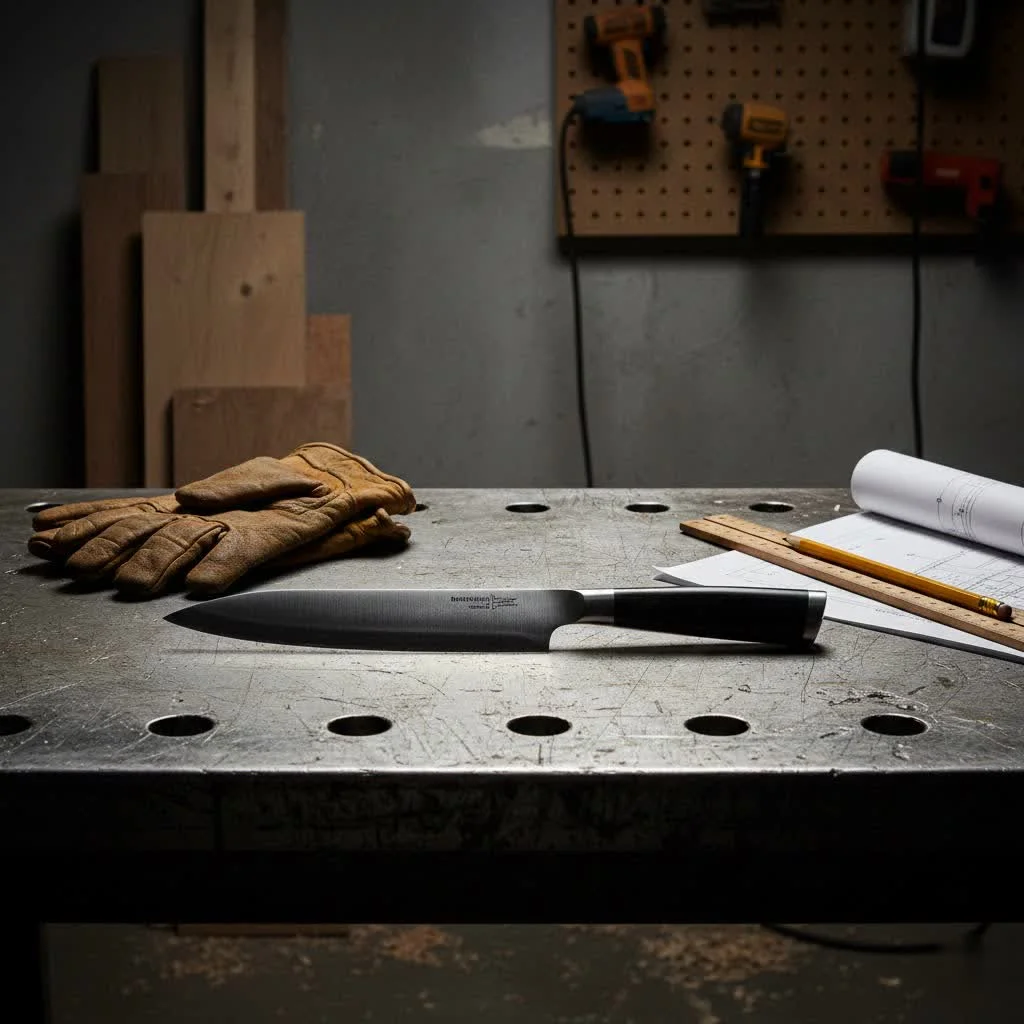
Why a Kitchen Knife Set with Block is a Culinary major upgrade
A thoughtfully assembled knife set with its dedicated block offers a multitude of benefits that improve your kitchen’s functionality and aesthetic.
Organization and Safety
A knife block provides a designated home for every knife, keeping your kitchen tidy and preventing accidents. This creates a safe, organized workspace where every tool is at your fingertips when needed, eliminating the risk of fumbling in drawers or encountering exposed blades.
Blade Protection and Longevity
One of the most significant advantages of a knife block is the superior protection it offers your blades. Knives stored loosely in drawers can rub against other utensils, dulling their edges or even chipping them. A block, with its carefully designed slots, shields the sharp edges from damage, helping your knives maintain their keenness for longer and preserving their integrity, which means fewer trips to the sharpener and a longer lifespan for your investment.
Aesthetic Appeal
A beautifully crafted knife block, brimming with gleaming blades, adds a touch of sophistication to any kitchen counter. Whether it’s classic wood, sleek stainless steel, or modern glass, a knife block is often a focal point that speaks to a cook’s dedication to quality and style, serving as a statement piece as much as a functional storage solution.
Decoding the Essentials: What Every Great Knife Set Needs
When sifting through the many kitchen knife set with block options, it’s easy to get overwhelmed by the sheer number of pieces. However, a great set isn’t necessarily about quantity; it’s about having the right pieces for your everyday cooking needs.
The Core Trio: Chef’s, Paring, and Serrated Bread Knives
Most experts agree that a good foundational set should include these three workhorses:
- Chef’s Knife (8-inch): This versatile all-rounder is perfect for chopping, slicing, dicing, and mincing. It’s the knife you’ll reach for most often, so its balance and sharpness are paramount.
- Paring Knife (3-4 inch): Ideal for smaller, delicate tasks like peeling fruits, deveining shrimp, or mincing garlic. Its small size offers precision and control.
- Serrated Bread Knife (8-10 inch): With its saw-like edge, this knife effortlessly glides through crusty bread, tomatoes, and even delicate pastries without crushing them.
Expanding Your Arsenal: Utility, Santoku, and Specialty Knives
|
Our Picks for the Best Kitchen Knife in 2026
As an Amazon Associate I earn from qualifying purchases.
|
||
| Num | Product | Action |
|---|---|---|
| 1 | Rynal Ceramic Knife - 8 inch Chef\'s Knife - Light, Precise, Sharp Ceramic Kitchen Knife with Sheath Cover |

|
| 2 | Shun Classic Blonde 6\" Chef\'s Knife, Handcrafted Japanese Kitchen Knife for Professional and Home Chefs, VG-MAX Core with Damascus Stainless Steel Cladding, Pakkawood Handle |
|
| 3 | Tramontina Chef\'s Knife, Plenus, 7 Inches, Black, Dishwasher Safe, Ultra Lightweight, Made in Brazil, 23426/107 TRAMONTINA |
|
| 4 | Shun Cutlery Premier Chef\'s Knife 8”, Thin, Light Kitchen Knife, Ideal for All-Around Food Preparation, Authentic, Handcrafted Japanese Knife, Professional Chef Knife |
|
| 5 | HENCKELS Modernist Razor-Sharp 8-inch Carving Knife, German Engineered Informed by 100+ Years of Mastery, Gray |
|
| 6 | HAUSHOF Steak Knives Set of 4, Sharp Serrated Steak Knives, Premium Stainless Steel Steak Knife Set with Gift Box, Black Handle |
|
| 7 | Cuisinart, Classic® ColorCore® Collection, C77CR-10PW |
|
| 8 | WÜSTHOF Classic 5\" Utility Knife, Black, Stainless Steel |
|
| 9 | Mercer Culinary BPX Chef\'s Knife, 6-Inch |
|
| 10 | Farberware Edgekeeper 7-Inch Santoku Knife with Self-Sharpening Blade Cover, High Carbon-Stainless Steel Kitchen Knife with Ergonomic Handle, Razor-Sharp Knife, Black |
|
Beyond the core trio, many sets include additional knives that enhance your kitchen capabilities:
- Utility Knife (5-6 inch): A smaller version of a chef’s knife, great for tasks where a chef’s knife might be too large and a paring knife too small.
- Santoku Knife (5-7 inch): A Japanese-style knife, often seen as an alternative to a chef’s knife. It has a straighter edge, making it excellent for chopping with a single downward motion. Some cooks find its flatter edge and rounded tip better for beginners than the pointed tip of a chef’s knife.
- Steak Knives: Often included in larger sets, these are essential for formal dining and cutting cooked meats at the table.
- Slicing/Carving Knife: Longer and thinner, designed for carving roasts and poultry, producing clean, even slices.
- Boning Knife: Features a thin, flexible blade perfect for separating meat from bone.
The Unsung Heroes: Sharpening Steel and Kitchen Shears
Don’t overlook these crucial accessories. A honing steel (often mistakenly called a sharpener) helps realign a knife’s microscopic edge, keeping it performing its best between true sharpenings. Kitchen shears are incredibly versatile for tasks like snipping herbs, cutting poultry, or opening packages. A comprehensive set will often include both.
Material Matters: Blades, Handles, and Blocks
The materials used in your kitchen knife set with block dictate its performance, durability, and maintenance requirements.
Blade Material: High-Carbon Stainless Steel vs. Damascus and Ceramic
- High-Carbon Stainless Steel: This is the most common and often recommended material. It combines the rust resistance of stainless steel with the edge retention and sharpening ease of carbon steel. Knives made from German X50CrMoV15 steel are a popular choice, known for their balance of hardness and durability. A good starting point for Rockwell hardness is usually between 57-60 HRC, offering a balance of edge retention and ease of sharpening.
- Damascus Steel: Known for its distinctive wavy pattern, Damascus steel (often VG10 Japanese Damascus) offers excellent edge retention and sharpness. These knives are often aesthetically stunning but may require more specialized care.
- Ceramic: Ceramic blades are incredibly sharp and hold their edge for a long time. They are also very lightweight and don’t react with acidic foods. However, they are brittle and prone to chipping or breaking if dropped or twisted.
Handle Comfort and Ergonomics
The handle is where you connect with your knife, so comfort and a secure grip are vital for safety and control. Look for materials like durable synthetic polymers (e.g., polyoxymethylene), pakkawood, or traditional wood. The handle should feel balanced in your hand, neither too heavy nor too light, and provide a non-slip grip even when wet. A full tang (where the blade metal extends through the entire handle) with triple rivets usually indicates a well-balanced and robust construction.
Knife Block Materials: Wood, Glass, and Innovative Designs
The block itself isn’t just for storage; it contributes to the set’s overall function and look.
- Wood Blocks: Classic and timeless, wood (like acacia or bamboo) is a popular choice for its durability and aesthetic appeal.
- Glass Blocks: Offer a modern, sleek look, allowing you to see the knife handles. They can be striking but might show smudges more easily.
- Magnetic Blocks: Provide an open, visible storage solution, allowing for easy access and often accommodating knives of various sizes.
- Self-Sharpening Blocks: A fantastic innovation, these blocks feature built-in sharpeners that hone the blade every time a knife is inserted or removed, ensuring your knives stay consistently sharp with minimal effort. Brands like Henckels and Ninja offer excellent self-sharpening options.
Finding Your Fit: Key Considerations Before You Buy
Choosing the right kitchen knife set with block involves more than just aesthetics; it’s about matching the set to your cooking style and needs.
Set Size and Composition: Quantity vs. Quality
Resist the urge to buy the largest set available if you won’t use all the knives. A smaller set of high-quality, frequently used knives will serve you far better than a massive collection of mediocre ones. As Chef Julian Vance, a respected culinary educator, often says, “It’s better to have three truly excellent knives you use every day than a dozen that just sit there gathering dust.” Consider your cooking habits: do you entertain often (requiring more steak knives) or mostly stick to daily meal prep? Some sets even come with empty slots, allowing you to customize and expand your collection over time.
Forged vs. Stamped Blades
- Forged Knives: Made from a single piece of steel heated and hammered into shape. They typically have a bolster (the thick junction between the blade and handle), a full tang, and are generally heavier, more durable, and better balanced.
- Stamped Knives: Cut from a large sheet of steel and then ground and sharpened. They are often lighter, thinner, and more affordable. While they can be very sharp, they may not offer the same heft and balance as forged knives.
Balance and Weight
Hold the knives if possible. A well-balanced knife feels like an extension of your hand, making it easier and safer to control. The weight should feel comfortable – not so heavy it causes fatigue, nor so light it feels flimsy.
Self-Sharpening Blocks: A Modern Convenience
For those who dread sharpening, a self-sharpening block is a major upgrade. These innovative blocks maintain your blades’ edges with every insertion and removal, ensuring your knives are always ready for action. It’s a fantastic feature that promotes consistent sharpness and reduces maintenance hassle.
Expert Tips for Maintaining Your Investment
A quality kitchen knife set with block is a significant investment, and proper care will ensure it serves you well for years to come.
The Art of Sharpening and Honing
Regular honing with a steel realigns the blade’s edge, delaying the need for sharpening. True sharpening (using a whetstone or pull-through sharpener) removes a tiny amount of metal to create a new, sharper edge. The frequency depends on usage, but a good rule of thumb is to hone frequently and sharpen professionally or with a dedicated sharpener every few months for heavily used knives. If your block has an integrated sharpener, use it consistently.
Proper Cleaning and Drying
Always hand wash your knives immediately after use with warm, soapy water and dry them thoroughly. Dishwashers can be harsh on knife blades and handles, leading to dulling, corrosion, and damage. Thorough drying prevents rust and water spots, especially for high-carbon steel blades.
Safe Storage Practices (within the block)
Always store your knives in their designated slots in the block with the sharp edge facing away from where you grasp the handle. This protects the blade from damage and keeps your fingers safe. Periodically, clean the knife block slots with a thin brush or cloth to remove any accumulated debris.
Frequently Asked Questions About Kitchen Knife Sets with Blocks
Q1: How many knives do I really need in a set?
For most home cooks, a set with 5-8 essential knives (chef’s, paring, serrated bread, utility, and perhaps a carving knife or Santoku) along with a honing steel and kitchen shears, is more than sufficient. Focus on quality over quantity.
Q2: Are self-sharpening knife blocks worth it?
Absolutely! They offer incredible convenience by consistently maintaining your knife edges, ensuring your knives are always ready to perform. This feature is particularly valuable for those who might otherwise neglect regular knife maintenance.
Q3: How do I clean my knife block?
Use a thin bottle brush or a damp cloth threaded through the slots to clean out crumbs and debris. For wooden blocks, avoid excessive moisture and dry thoroughly. A light coat of mineral oil can help maintain wood blocks.
Q4: What’s the difference between a chef’s knife and a Santoku?
A chef’s knife typically has a curved blade, allowing for a “rocking” motion for chopping. A Santoku knife has a straighter blade and a rounded or “sheep’s foot” tip, making it ideal for a more “pushing” or “chopping” motion. Both are versatile, but your preference often comes down to cutting style.
Q5: How often should I sharpen my knives?
Honing should be done frequently (every 2-3 uses for heavily used knives). True sharpening depends on usage and blade material, but for home cooks, every few months to once a year is a good baseline, or when you notice the knife struggling to cut cleanly through soft items like tomatoes.
Q6: Can I mix and match knives in a block?
While many blocks are designed for specific knife sizes, some (especially magnetic blocks or those with generic slots) allow for mixing and matching. If your block has empty slots, it’s a great opportunity to add specialty knives you might need later.
Conclusion
A kitchen knife set with block is more than just a collection of tools; it’s the heart of an efficient and enjoyable kitchen. By understanding the essential knives, the crucial role of materials, and the benefits of thoughtful design, you can confidently choose a set that not only enhances your culinary skills but also brings safety, organization, and a touch of elegance to your cooking space. Invest wisely, care for your blades, and prepare to elevate every meal you create. Happy cooking!
Choosing Your Perfect Kitchen Knife Set with Block
Follow these steps to select a kitchen knife set with block that perfectly matches your culinary needs and enhances your cooking experience.
Determine the essential knives you'll use most frequently. A foundational set should include an 8-inch chef's knife, a 3-4 inch paring knife, and an 8-10 inch serrated bread knife. Consider adding a utility knife or Santoku based on your cooking style.
Prioritize high-carbon stainless steel for durability and edge retention, aiming for a Rockwell hardness of 57-60 HRC. Choose handles made from durable synthetic polymers, pakkawood, or traditional wood that offer a balanced, non-slip grip. Ensure the knife has a full tang for robustness.
Select a block material like wood, glass, or magnetic designs that complement your kitchen aesthetic. Explore innovative options like self-sharpening blocks from brands like Henckels or Ninja, which maintain blade edges with minimal effort.
Opt for a smaller set of high-quality, frequently used knives over a large collection of mediocre ones. As Chef Julian Vance suggests, three excellent knives are better than a dozen unused ones. Consider sets with empty slots for future customization.
If possible, hold the knives to ensure they feel balanced and comfortable in your hand. A well-balanced knife should feel like an extension of your hand, preventing fatigue and enhancing control during use.
Cooking gear we tested in our own kitchens
Free PDF — preheat times measured on 10 popular air fryers.

I finally upgraded my old mismatched knives to a proper kitchen knife set with block, and it’s made such a difference! The organization alone is worth it, no more rummaging through drawers. My prep time has definitely sped up, and the blades are incredibly sharp right out of the box. Highly recommend investing in a good quality set.
This guide really helped me understand why a good knife set is a culinary game-changer. I used to just have a couple of random knives, but getting a full set with a block has completely transformed my cooking experience. The precise cuts make such a difference, and I feel much safer with everything neatly stored. It’s a fantastic investment for any home cook.
As a professional, I appreciate the emphasis on blade protection. I picked up a mid-range set after reading about the benefits of a dedicated block, and it’s been great for keeping my edges pristine. The variety of knives included covers almost everything I need for daily cooking. My only minor gripe is that the block itself is a bit larger than I expected for my counter space.
I was really excited to get a new kitchen knife set with block, especially for the aesthetic appeal. While the knives themselves are decent for the price range, I found that one of the steak knives wasn’t quite as sharp as the others. It’s not a huge deal, but I was hoping for consistent sharpness across the whole set. Still, it’s a good starter set.