Stepping into a well-equipped kitchen, you instantly feel the potential for culinary magic. At the heart of that magic lies your knives, and a well-chosen kitchen knife set can truly transform your cooking experience from a chore into a joyous art form. Whether you’re a seasoned chef or just starting your gastronomic adventures, the right set of blades is more than just tools; they’re an extension of your hands, making every chop, slice, and dice feel effortlessly precise.
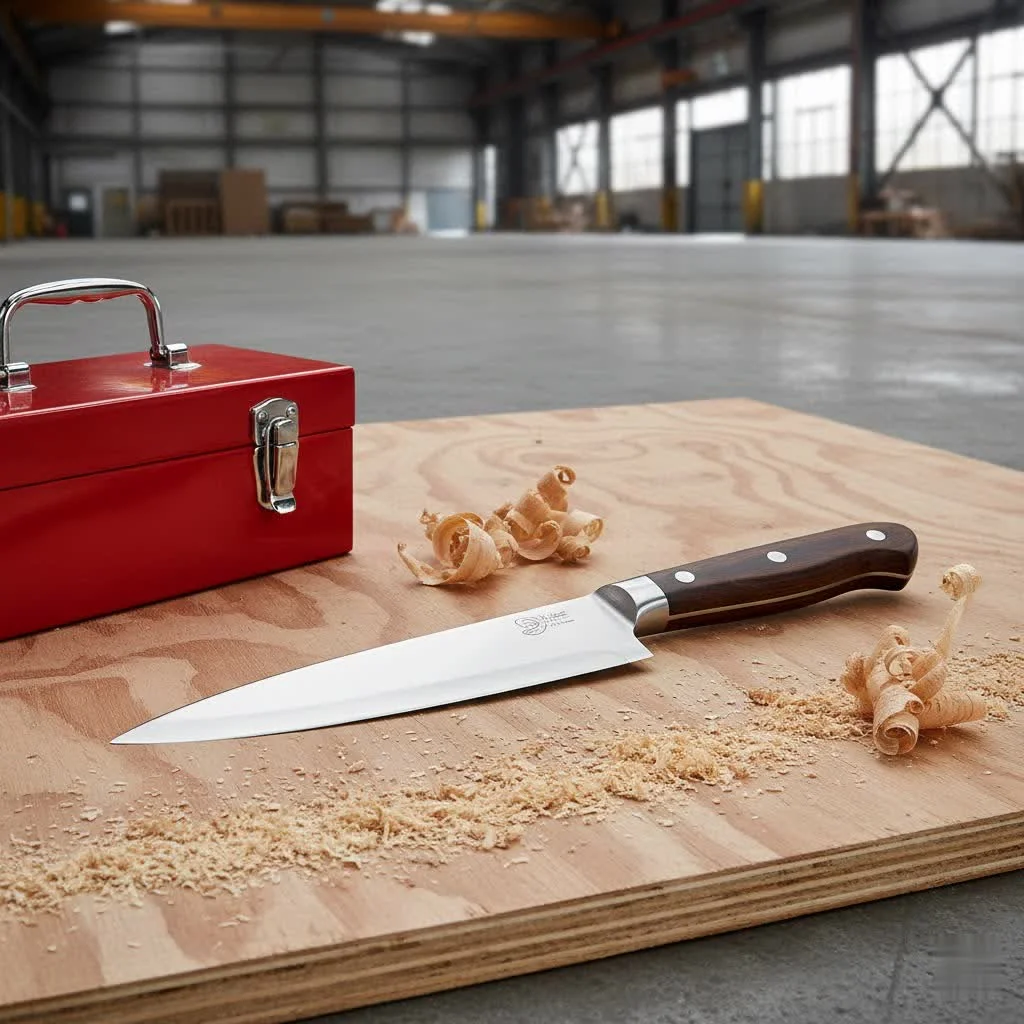
But with countless options on the market, how do you navigate the sea of steel and handles to find the perfect companions for your kitchen? As someone who’s spent over 15 years in the world of kitchen knives, both using and teaching about them, I’m here to guide you through selecting a set that doesn’t just look good, but performs exceptionally and stands the test of time. It’s about finding that balance of utility, durability, and comfort that makes you excited to get cooking every single day.
The Core Essentials: What Every Kitchen Knife Set Needs
You might think a “complete” kitchen knife set means dozens of specialized blades, but often, it’s about quality over quantity. A truly functional set focuses on the workhorse knives you’ll reach for daily.
The Versatile Chef’s Knife
If there’s one knife that defines a kitchen, it’s the chef’s knife. Typically 8 to 10 inches long, this all-purpose blade is your primary tool for chopping vegetables, slicing meats, mincing herbs, and just about any general prep work. Its curved blade allows for a rocking motion, making quick work of large quantities of ingredients. A good chef’s knife should feel balanced in your hand, offering control and reducing fatigue during long cooking sessions.
The Agile Paring Knife
For those delicate tasks that require precision, the paring knife is your best friend. With a short blade, usually 3 to 4 inches, it’s perfect for peeling fruits and vegetables, trimming fat, deveining shrimp, or creating intricate garnishes. Think of it as the surgical instrument of your kitchen knife set – small, sharp, and incredibly nimble.
The Indispensable Serrated Blade
While often overlooked, a high-quality serrated knife is crucial for items that resist a smooth cut. Its saw-like edge glides through crusty bread without squishing it, cleanly slices through ripe tomatoes or delicate pastries, and can even handle larger roasted meats with ease. Depending on the set, this might be a longer bread knife or a shorter serrated utility knife, both serving a vital purpose.
Beyond the Basics: Utility, Santoku, and Shears
|
Our Picks for the Best Kitchen Knife in 2026
As an Amazon Associate I earn from qualifying purchases.
|
||
| Num | Product | Action |
|---|---|---|
| 1 | HENCKELS Modernist Razor-Sharp 8-inch Carving Knife, German Engineered Informed by 100+ Years of Mastery, Gray |

|
| 2 | WÜSTHOF Classic 5\" Utility Knife, Black, Stainless Steel |
|
| 3 | Tramontina Chef\'s Knife, Plenus, 7 Inches, Black, Dishwasher Safe, Ultra Lightweight, Made in Brazil, 23426/107 TRAMONTINA |
|
| 4 | Rynal Ceramic Knife - 8 inch Chef\'s Knife - Light, Precise, Sharp Ceramic Kitchen Knife with Sheath Cover |
|
| 5 | Cuisinart, Classic® ColorCore® Collection, C77CR-10PW |
|
| 6 | Farberware Edgekeeper 7-Inch Santoku Knife with Self-Sharpening Blade Cover, High Carbon-Stainless Steel Kitchen Knife with Ergonomic Handle, Razor-Sharp Knife, Black |
|
| 7 | Shun Cutlery Premier Chef\'s Knife 8”, Thin, Light Kitchen Knife, Ideal for All-Around Food Preparation, Authentic, Handcrafted Japanese Knife, Professional Chef Knife |
|
| 8 | Shun Classic Blonde 6\" Chef\'s Knife, Handcrafted Japanese Kitchen Knife for Professional and Home Chefs, VG-MAX Core with Damascus Stainless Steel Cladding, Pakkawood Handle |
|
| 9 | HAUSHOF Steak Knives Set of 4, Sharp Serrated Steak Knives, Premium Stainless Steel Steak Knife Set with Gift Box, Black Handle |
|
| 10 | Mercer Culinary BPX Chef\'s Knife, 6-Inch |
|
Once you have your core three, a kitchen knife set often expands with other incredibly useful tools. A utility knife, typically 4 to 7 inches, bridges the gap between the paring and chef’s knife, perfect for larger vegetables or sandwiches. The Santoku, a Japanese-style knife, offers a straighter edge and a “sheep’s foot” tip, often favored for its precise, downward chopping motion. And let’s not forget kitchen shears – invaluable for everything from snipping herbs to cutting up poultry.
Decoding Knife Set Features: Materials, Construction, and Storage
Understanding the technical aspects of a kitchen knife set will empower you to make an informed decision that suits your culinary style and budget.
Blade Materials: Steel Types and Their Performance
The soul of any knife lies in its blade. Most quality kitchen knives are made from high-carbon stainless steel. This material offers a fantastic balance of sharpness, edge retention, and corrosion resistance. Japanese steel, often known for its exceptional hardness and razor-sharp edges, provides superior cutting performance but may require more delicate handling to prevent chipping. Stainless steel is more forgiving and rust-resistant, while Damascus steel, with its distinctive layered patterns, offers both beauty and strength. “The right blade material isn’t just about sharpness; it’s about how that sharpness holds up to your cooking habits and how easy it is to maintain,” says Chef Anya Sharma, a renowned culinary educator.
Handle Design and Ergonomics
A knife is only as good as how it feels in your hand. Handle materials vary widely, from durable polypropylene and synthetic composites like Fibrox, which offer excellent grip even when wet, to elegant Pakkawood (a wood-resin composite) or traditional natural wood. Look for handles that provide a comfortable, secure grip, reducing the risk of slippage and hand fatigue. Triple-riveted handles are a classic indicator of robust construction, securely attaching the handle scales to the tang.
Full Tang vs. Partial Tang: Understanding Durability
The tang refers to the part of the blade that extends into the handle. A full tang knife means the steel of the blade runs the entire length of the handle, offering superior balance, strength, and durability. This is a hallmark of high-quality knives. Partial tang knives, where the blade doesn’t extend fully, can be lighter but may not offer the same robust feel or longevity.
Storage Solutions: Blocks, Magnetic Strips, and Sheaths
How you store your kitchen knife set is as important as the knives themselves for maintaining their sharpness and ensuring safety. Knife blocks are a popular choice, providing a convenient and protected home for your blades on the countertop. Some modern blocks even feature self-sharpening slots, making maintenance a breeze. Magnetic knife strips are another excellent space-saving option, showcasing your knives while keeping them easily accessible. For individual knives or smaller sets, blade sheaths offer protection when stored in drawers.
Finding Your Ideal Set: Considerations for Every Cook
The “best” kitchen knife set is subjective; it depends entirely on your needs, skill level, and cooking frequency.
For the Beginner Home Cook
If you’re just starting out, a smaller, high-quality 3- to 5-piece kitchen knife set that includes a chef’s knife, paring knife, and serrated knife is an excellent foundation. Focus on sets known for durability and ease of maintenance, perhaps with a comfortable, non-slip handle. Brands like Victorinox or Chicago Cutlery often offer great value and performance for newcomers. You don’t need a huge collection; you need reliable tools that build confidence.
For the Aspiring Culinary Enthusiast
For those who spend more time in the kitchen and enjoy experimenting, a more comprehensive 7- to 10-piece kitchen knife set might be ideal. This often includes a utility knife, a Santoku, kitchen shears, and a honing steel. Brands like Henckels, Wüsthof, or Misen offer sets that balance excellent craftsmanship with thoughtful collections, often featuring high-carbon stainless steel blades and ergonomic handles that will withstand frequent, demanding use.
When Space is a Premium
Living in a smaller kitchen doesn’t mean sacrificing quality. Look for compact knife blocks or sets that can be stored on a magnetic strip. Brands sometimes offer “essential” sets with just 3-5 key pieces, designed to maximize utility without overcrowding your precious counter space. Consider sets with slim block designs, like some Wüsthof Classic Ikon models, or simply invest in individual, high-quality knives with blade guards for drawer storage.
Investing in Quality: Splurge-Worthy Sets
If you’re ready to make a significant investment, premium kitchen knife sets from brands like Shun or high-end Zwilling J.A. Henckels or Wüsthof collections offer unparalleled sharpness, balance, and aesthetic appeal. These sets often feature exceptional blade materials, exquisite craftsmanship, and details like full tang construction and comfortable, meticulously crafted handles. While a splurge, these knives are built to be heirloom pieces that will last a lifetime with proper care.
Maintaining Your Investment: Care and Sharpening Tips
Even the most expensive kitchen knife set will underperform if not properly cared for. Good maintenance ensures longevity and safety.
Hand Washing Is Key
This is non-negotiable. Always hand wash your knives immediately after use with warm, soapy water and dry them thoroughly. Dishwashers can dull blades, damage handles, and even pose a safety hazard. The harsh detergents and high heat are detrimental to the blade’s edge and the handle’s integrity over time.
Honing vs. Sharpening: Know the Difference
Many people confuse honing with sharpening. Honing realigns the microscopic edge of a knife that has bent slightly from use, bringing it back to optimal performance. A honing steel, often included in kitchen knife sets, is used regularly (every few uses) to maintain the edge. Sharpening, on the other hand, actually removes metal from the blade to create a new, sharper edge. This is done less frequently, perhaps once or twice a year, depending on use, either with a whetstone, pull-through sharpener, or by a professional.
The Convenience of Self-Sharpening Blocks
For those who want to simplify maintenance, some kitchen knife sets come with self-sharpening blocks. These innovative blocks have built-in sharpeners in each slot, honing the blade every time you remove or replace a knife. This feature can significantly extend the time between full sharpenings and keep your knives consistently ready for action. It’s a fantastic solution for busy home cooks who want sharp knives without the hassle.
Your Kitchen Knife Set Questions Answered
How many knives do I really need in a set?
You really only need three essential knives: a chef’s knife, a paring knife, and a serrated knife. While larger sets offer more specialized tools, a quality 3- to 5-piece kitchen knife set can handle most culinary tasks effectively.
What’s the difference between a Chef’s knife and a Santoku?
A chef’s knife typically has a curved blade, allowing for a rocking motion while chopping, and often a pointed tip. A Santoku knife, a Japanese style, usually has a straighter edge and a “sheep’s foot” tip, making it ideal for a more precise, downward chopping motion.
Are expensive knife sets always better?
Not always, but generally, higher-priced kitchen knife sets from reputable brands offer superior materials, craftsmanship, and edge retention. However, a mid-range set can still provide excellent performance and durability, especially if you prioritize the essential knives. It’s about value for your specific needs.
How often should I sharpen my knives?
You should hone your knives frequently, ideally every few uses, to realign the blade’s edge. True sharpening, which removes metal to create a new edge, is typically needed much less often, perhaps once or twice a year for home cooks, depending on how heavily you use your knives.
Can I put my kitchen knives in the dishwasher?
No, it’s strongly advised against putting kitchen knives in the dishwasher. The harsh detergents, high heat, and jostling can dull the blade, damage the handle, and may even cause nicks or chips on the cutting edge. Always hand wash and dry your knives immediately.
Conclusion
Selecting the right kitchen knife set is a pivotal step in enhancing your cooking experience. It’s about more than just owning tools; it’s about investing in precision, safety, and efficiency in your culinary endeavors. By understanding the essential knives, appreciating the nuances of blade materials and construction, and committing to proper care, you can choose a set that not only meets your current needs but also inspires you to explore new culinary horizons. A quality kitchen knife set isn’t just an expense; it’s an investment in countless delicious meals and joyful moments in your kitchen. So, choose wisely, care for them well, and let your knives be the foundation of your culinary success.
Cooking gear we tested in our own kitchens
Free PDF — preheat times measured on 10 popular air fryers.