Welcome to Awilu.com! As someone who has spent over 15 years immersed in the world of kitchen knives, I understand the quest for that single, indispensable blade that can handle almost anything you throw at it. Finding the best all-purpose kitchen knife isn’t just about owning a tool; it’s about empowering your culinary journey, making every chop, slice, and dice a confident and enjoyable experience. Forget cluttered knife blocks—what you truly need is one versatile companion that feels like an extension of your hand. Let’s dive deep into what makes a knife truly all-purpose and help you find your perfect match.
What Makes a Kitchen Knife “All-Purpose”?
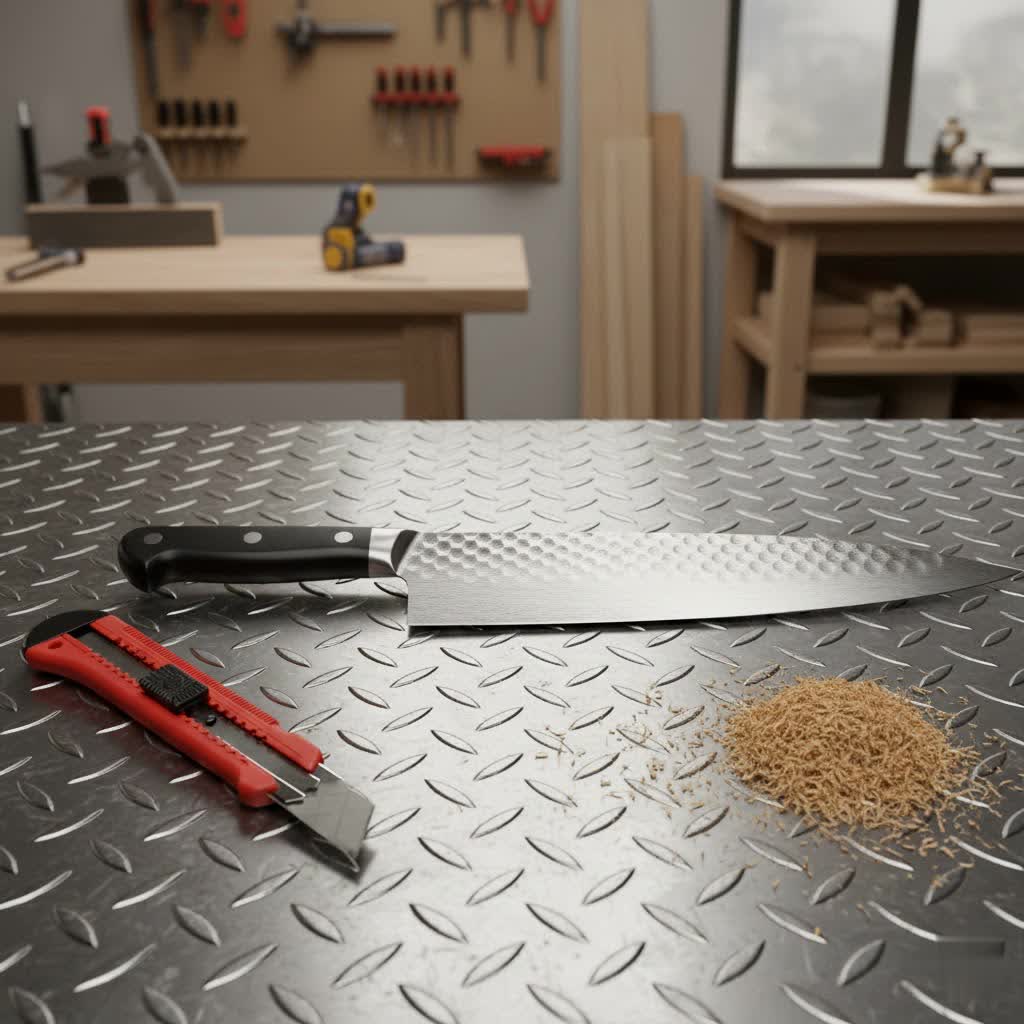
An all-purpose kitchen knife is the unsung hero of countless kitchens, capable of performing a wide array of tasks without breaking a sweat. It’s designed to be your go-to for most daily food preparation, reducing the need for a multitude of specialized tools.
The essence of an all-purpose knife lies in its versatility. Can it finely mince garlic, effortlessly slice a ripe tomato, and confidently break down a chicken? If the answer is yes, you’re on the right track. Beyond sheer capability, balance and comfort are paramount. A knife might be sharp, but if it feels awkward or heavy in your hand after a few minutes, it’s not truly all-purpose for you. You need a knife that allows for fluid, controlled movements, whether you’re performing a delicate julienne or a powerful chop. Finally, durability and edge retention are critical. A great all-purpose knife should hold its edge through extensive use and be relatively easy to maintain and resharpen, ensuring it remains a reliable partner for years to come.
The Two Titans: Chef’s Knife vs. Santoku
When we talk about the best all-purpose kitchen knife, two styles invariably dominate the conversation: the Chef’s knife and the Santoku knife. Both are exceptional, but they cater to slightly different preferences and cutting styles.
The Classic Chef’s Knife: Your Kitchen Workhorse
The Chef’s knife, often dubbed the “workhorse” of the kitchen, is perhaps the most iconic all-purpose blade. Its heritage traces back through Western culinary traditions, emphasizing power and adaptability.
You’ll find Chef’s knives primarily in two styles:
- Western (German) Chef’s Knives: These typically feature a heavier, thicker blade with a more pronounced curve, or “belly.” This design is ideal for the traditional rocking motion, allowing you to glide through ingredients with momentum, making quick work of chopping herbs, dicing vegetables, and even breaking down larger cuts of meat. The robust design, often with a full bolster, offers a sense of security and durability.
- Japanese Gyuto-style Chef’s Knives: While still a chef’s knife, the Gyuto is Japan’s take on this versatile tool, often featuring a thinner, slightly flatter blade profile compared to its Western counterpart. It combines some of the rocking capabilities with the precision of Japanese blades, making it excellent for both general prep and more refined cuts.
|
Our Picks for the Best Kitchen Knife in 2026
As an Amazon Associate I earn from qualifying purchases.
|
||
| Num | Product | Action |
|---|---|---|
| 1 | Shun Classic Blonde 6\" Chef\'s Knife, Handcrafted Japanese Kitchen Knife for Professional and Home Chefs, VG-MAX Core with Damascus Stainless Steel Cladding, Pakkawood Handle |

|
| 2 | Shun Cutlery Premier Chef\'s Knife 8”, Thin, Light Kitchen Knife, Ideal for All-Around Food Preparation, Authentic, Handcrafted Japanese Knife, Professional Chef Knife |
|
| 3 | HAUSHOF Steak Knives Set of 4, Sharp Serrated Steak Knives, Premium Stainless Steel Steak Knife Set with Gift Box, Black Handle |
|
| 4 | Farberware Edgekeeper 7-Inch Santoku Knife with Self-Sharpening Blade Cover, High Carbon-Stainless Steel Kitchen Knife with Ergonomic Handle, Razor-Sharp Knife, Black |
|
| 5 | WÜSTHOF Classic 5\" Utility Knife, Black, Stainless Steel |
|
| 6 | HENCKELS Modernist Razor-Sharp 8-inch Carving Knife, German Engineered Informed by 100+ Years of Mastery, Gray |
|
| 7 | Tramontina Chef\'s Knife, Plenus, 7 Inches, Black, Dishwasher Safe, Ultra Lightweight, Made in Brazil, 23426/107 TRAMONTINA |
|
| 8 | Cuisinart, Classic® ColorCore® Collection, C77CR-10PW |
|
| 9 | Rynal Ceramic Knife - 8 inch Chef\'s Knife - Light, Precise, Sharp Ceramic Kitchen Knife with Sheath Cover |
|
| 10 | Mercer Culinary BPX Chef\'s Knife, 6-Inch |
|
Most Chef’s knives range from 6 to 12 inches, with an 8-inch Chef’s knife being the most popular and versatile size for home cooks. This length provides enough blade for larger tasks like splitting a butternut squash or carving a roast, while still being maneuverable enough for smaller precision work like mincing shallots.
As Chef Anya Sharma, a seasoned culinary instructor, often advises, “A good 8-inch chef’s knife is like having a reliable best friend in the kitchen. It handles nearly everything with grace, from the roughest root vegetables to the most delicate herbs.”
The Agile Santoku Knife: Precision and Finesse
Originating from Japan, the Santoku knife offers a different approach to all-purpose cutting. Its name, “Santoku,” translates to “three virtues” or “three uses,” referring to its proficiency with meat, fish, and vegetables—truly an all-around performer.
The Santoku knife is distinguished by its flatter blade profile and often a distinct “sheepfoot” tip, meaning the spine curves down to meet the edge at a shallow angle rather than coming to a sharp point. This design naturally encourages an up-and-down chopping motion rather than a rocking one, favoring precise, straight cuts. Santokus are typically shorter than Chef’s knives, often around 7 inches, making them feel lighter and more agile in hand. Their thinner, harder steel construction allows for incredibly sharp edges, excelling in fine slicing and dicing, particularly with vegetables.
Many Santoku knives also feature a Granton edge, characterized by dimples or hollows along the blade. While opinions vary on its effectiveness, the intention behind these divots is to create air pockets, preventing food from sticking to the blade during slicing.
Key Features to Look for in Your All-Purpose Knife
Choosing your ideal all-purpose kitchen knife involves more than just picking between a Chef’s or Santoku. The devil, as they say, is in the details.
Blade Material: The Heart of the Knife
The material of your knife’s blade significantly impacts its performance, durability, and maintenance.
- High-Carbon Stainless Steel: This is the most common and recommended material for all-purpose kitchen knives. It strikes an excellent balance between the sharpness and edge retention of high-carbon steel and the rust resistance of stainless steel. Knives made from this material are generally tough, easy to maintain, and will serve you well.
- Carbon Steel: Prized by many professional chefs for its ability to take and hold an incredibly sharp edge, carbon steel is a formidable material. However, it is more susceptible to rust and staining and requires meticulous cleaning and drying after each use. If you’re willing to commit to the extra care, the performance is often unmatched.
- Stainless Steel: While highly resistant to corrosion, standard stainless steel knives may not hold an edge as long or get as razor-sharp as their high-carbon counterparts. They are often easier to sharpen but may require more frequent honing.
Blade Length: Finding Your Sweet Spot
For Chef’s knives, an 8-inch blade is widely considered the ideal all-purpose length. It offers sufficient reach for larger produce and cuts of meat while remaining controllable for detailed tasks. For Santoku knives, a 7-inch blade offers similar versatility in its specific cutting style. Shorter knives (6 inches) might feel more nimble for smaller hands or tighter spaces, while longer blades (10-12 inches) offer more power and capacity for high-volume prep but can feel unwieldy to some.
Handle Design & Material: Comfort is King
A knife is only as good as how it feels in your hand. The handle should provide a secure, comfortable grip that prevents slippage, even when wet or greasy. Common handle materials include:
- Synthetic polymers (e.g., Santoprene, POM): Durable, hygienic, slip-resistant, and low maintenance.
- Wood/Pakkawood: Offers a classic aesthetic and comfortable feel; pakkawood is a resin-impregnated wood that’s more durable and moisture-resistant than natural wood.
- Composite materials (e.g., Micarta): Extremely durable and stable, often found on high-end knives.
Look for a full tang construction, where the blade extends through the full length and width of the handle. This provides superior balance and durability. Some Western knives also feature a bolster, the thick part where the blade meets the handle, which adds weight, balance, and acts as a finger guard.
Weight & Balance: A Personal Choice
Some cooks prefer a heavier knife, believing the extra weight helps the blade glide effortlessly through food. Others favor a lighter knife, which can offer more precision and less fatigue during long prep sessions. Ultimately, the perfect balance is subjective. The knife should feel natural in your hand, with the balance point typically where the blade meets the handle. This allows for optimal control and minimizes strain.
Edge Retention & Sharpening: Keeping it Keen
A good all-purpose knife should hold a sharp edge for a reasonable period. However, all knives eventually dull. Consider how easily the knife can be resharpened. High-carbon stainless steel offers a good compromise, maintaining sharpness well and being relatively easy to bring back to life with a whetstone or honing rod.
Tips for Choosing the Perfect All-Purpose Kitchen Knife
Navigating the vast world of kitchen knives can be daunting. Here’s my expert advice to help you make an informed decision:
- Consider Your Cooking Style: Are you a meticulous vegetable prepper who loves precise cuts, or do you often tackle larger proteins and dense root vegetables? This will help you lean towards a Santoku (precision) or a Chef’s knife (power).
- Hand Size and Grip: If possible, hold the knife before buying. What feels comfortable in your hand? Does the handle provide a secure grip? A knife should feel like a natural extension of your arm. For instance, smaller hands might prefer a lighter, shorter blade like a 7-inch Santoku, while larger hands might appreciate the heft of a Western 8-inch Chef’s knife.
- Set a Budget: Quality kitchen knives are an investment. While high-end knives can be pricey, excellent all-purpose options are available across various price points. Don’t feel pressured to buy the most expensive; focus on value, craftsmanship, and how well it suits your needs. Brands like Victorinox and Mercer Culinary offer fantastic performance for their price.
- Read Reviews and Ask Around: Consult trusted sources (like Awilu.com!) and talk to other home cooks or professional chefs. Their experiences can provide valuable insights.
Caring for Your All-Purpose Kitchen Knife
Even the best all-purpose kitchen knife needs proper care to maintain its performance and longevity.
- Hand Wash Only: Always hand wash your knives immediately after use with warm, soapy water and dry them thoroughly with a soft cloth. Dishwashers are too harsh; the high heat and aggressive detergents can dull the edge and damage the handle.
- Proper Storage: Store your knife safely to protect its edge and prevent accidents. Options include a knife block, magnetic strip, or an in-drawer knife tray.
- Honing vs. Sharpening: Understand the difference. Honing (using a honing steel) realigns a slightly dulled edge, which you should do frequently. Sharpening (using a whetstone or professional service) creates a new edge on a truly dull blade, a less frequent but essential task.
Conclusion
Choosing the best all-purpose kitchen knife is a personal journey, but a deeply rewarding one. Whether you opt for the robust power of a classic Chef’s knife or the agile precision of a Santoku, investing in a quality blade will transform your cooking experience, making meal prep safer, more efficient, and infinitely more enjoyable.
At Awilu.com, we believe that understanding your tools is the first step to mastering your craft. By considering blade material, length, handle design, and your personal cooking style, you’re now equipped to make an informed decision. Go ahead, find that perfect all-purpose kitchen knife, and watch as it elevates every dish you create. Share your experiences and discoveries with our community; we love hearing how your chosen blade makes a difference in your kitchen!
