Choosing a top-rated kitchen knife set significantly transforms your cooking experience by providing precision, enhancing safety, and making meal preparation enjoyable. The best sets prioritize quality over quantity, focusing on essential blades like a chef’s knife, paring knife, and serrated knife, which handle over 90% of daily cooking tasks. Investing in a high-quality set ensures durability, superior edge retention, and ergonomic comfort, making it a foundational toolkit for culinary excellence.
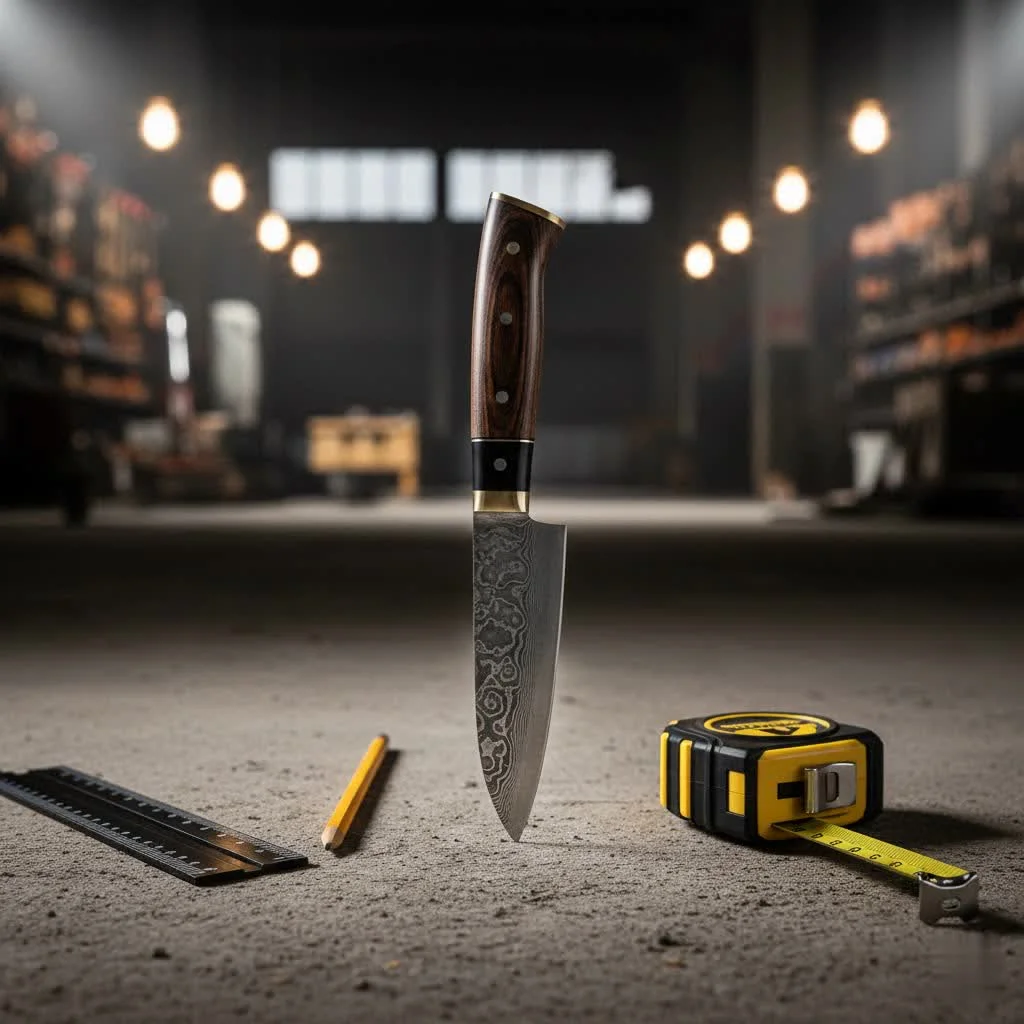
Why a Quality Kitchen Knife Set Matters Beyond Just Cutting
A quality kitchen knife set is an investment in culinary efficiency, kitchen safety, and the enjoyment of cooking. Struggling with dull, uncomfortable knives leads to frustration and subpar results. Well-crafted knives glide through ingredients, requiring less force and significantly reducing the risk of slips and accidents. This precision allows for more even cooking, and ergonomic handles reduce hand fatigue during long prep sessions, ultimately elevating the entire kitchen experience.
What’s Truly Essential in a Kitchen Knife Set? Less is Often More!
One common misconception is that more knives equate to a better set. In reality, a sprawling collection with rarely used pieces can be a hindrance. The key is to identify the core instruments that will handle 90% of your everyday cooking needs.
The Core Trio: Chef’s, Paring, and Serrated Knives
For those starting or streamlining their kitchen, focus on these three indispensable knives, which are the workhorses of any kitchen.
- The Chef’s Knife (or Gyutou in Japanese): This is the most important knife, typically 6 to 10 inches long. Its broad, curved blade is designed for rock-chopping, dicing, mincing, and slicing a vast array of ingredients, from vegetables to large cuts of meat. A balanced chef’s knife feels like an extension of your hand.
- The Paring Knife: This small, mighty 3 to 4-inch blade is perfect for intricate tasks requiring precision and control, especially when working “in hand.” Examples include peeling apples, hulling strawberries, mincing garlic, or creating delicate garnishes.
- The Serrated Knife (or Bread Knife): With its saw-like edge, a serrated knife is essential for cutting through items with tough exteriors and soft interiors without crushing them. Crusty bread, delicate tomatoes, citrus fruits, and roasted meats are ideal for a sharp serrated edge.
|
Our Picks for the Best Kitchen Knife in 2026
As an Amazon Associate I earn from qualifying purchases.
|
||
| Num | Product | Action |
|---|---|---|
| 1 | WÜSTHOF Classic 5\" Utility Knife, Black, Stainless Steel |

|
| 2 | Cuisinart, Classic® ColorCore® Collection, C77CR-10PW |
|
| 3 | Shun Classic Blonde 6\" Chef\'s Knife, Handcrafted Japanese Kitchen Knife for Professional and Home Chefs, VG-MAX Core with Damascus Stainless Steel Cladding, Pakkawood Handle |
|
| 4 | Rynal Ceramic Knife - 8 inch Chef\'s Knife - Light, Precise, Sharp Ceramic Kitchen Knife with Sheath Cover |
|
| 5 | Tramontina Chef\'s Knife, Plenus, 7 Inches, Black, Dishwasher Safe, Ultra Lightweight, Made in Brazil, 23426/107 TRAMONTINA |
|
| 6 | Mercer Culinary BPX Chef\'s Knife, 6-Inch |
|
| 7 | Shun Cutlery Premier Chef\'s Knife 8”, Thin, Light Kitchen Knife, Ideal for All-Around Food Preparation, Authentic, Handcrafted Japanese Knife, Professional Chef Knife |
|
| 8 | HENCKELS Modernist Razor-Sharp 8-inch Carving Knife, German Engineered Informed by 100+ Years of Mastery, Gray |
|
| 9 | HAUSHOF Steak Knives Set of 4, Sharp Serrated Steak Knives, Premium Stainless Steel Steak Knife Set with Gift Box, Black Handle |
|
| 10 | Farberware Edgekeeper 7-Inch Santoku Knife with Self-Sharpening Blade Cover, High Carbon-Stainless Steel Kitchen Knife with Ergonomic Handle, Razor-Sharp Knife, Black |
|
As Chef Anya Sharma states, “Forget the fancy fillers when building your foundation. A robust chef’s knife, a nimble parer, and a reliable serrated blade are the only true non-negotiables for any home cook aiming for culinary confidence.”
Beyond the Basics: Utility, Santoku, and Steak Knives
Once your core trio is established, consider these specialized yet practical additions:
- Utility Knife: Typically 5-6 inches, this knife offers more versatility than a paring knife and more control than a large chef’s knife. It’s useful for slicing sandwiches or trimming smaller cuts of meat.
- Santoku Knife: A Japanese-style chef’s knife counterpart, the Santoku excels at slicing, dicing, and mincing. It has a straighter edge and a “sheep’s foot” tip, often with Granton edges (dimples) to prevent food from sticking.
- Steak Knives: While not for prep, a set of quality steak knives enhances the dining experience by gliding through cooked meats without tearing.
Decoding the Blade: Materials, Construction, and Edge Retention
The blade’s material and construction dictate its performance, durability, and maintenance needs.
High-Carbon Stainless Steel: The Workhorse of the Kitchen
Most top-rated kitchen knife sets feature high-carbon stainless steel blades, offering a balance of properties:
- Sharpness: Can be honed to a razor-sharp edge.
- Edge Retention: Holds sharpness through repeated use.
- Durability: Resists chipping and breaking.
- Stain and Rust Resistance: Helps prevent corrosion, though not entirely rust-proof without proper care.
High-carbon stainless steel remains the gold standard for its all-around performance and ease of maintenance, surpassing other materials like ceramic.
Forged vs. Stamped: Understanding the Build
A knife’s manufacturing method significantly impacts its strength, balance, and cost.
- Forged Knives: Crafted from a single bar of steel, heated and hammered into shape. This creates a stronger, thicker blade with a bolster and a full tang. Forged knives are heavier, more durable, and offer superior balance and control, typically at a higher cost.
- Stamped Knives: Made by cutting a blade shape from a sheet of steel. These are generally lighter, thinner, and more flexible, often lacking a bolster and having a partial tang, making them more affordable. Modern stamped knives offer excellent quality for budget-friendly options.
German vs. Japanese Steel: A Tale of Two Traditions
Premium knives often fall into German or Japanese traditions, each with distinct characteristics:
- German Knives (e.g., Wüsthof, Zwilling J.A. Henckels): Known for robust, heavier blades made from softer steel (around 54-58 HRC). They are durable, less prone to chipping, and feature a wider blade angle (around 20-22 degrees per side) with a curved belly for “rock-chopping.”
- Japanese Knives (e.g., Shun, Global, Ginsu Chikara): Lighter, thinner, and made from harder steel (often 60+ HRC). This allows for a sharper, more acute edge angle (10-15 degrees per side) and exceptional edge retention. They excel at precise cuts but can be more brittle if misused. Many have straighter profiles for “push-cutting.”
The choice between German and Japanese knives depends on personal preference for weight, balance, and cutting style.
Comfort in Your Hand: Ergonomics and Handle Design
A knife’s comfort and natural feel in hand, or ergonomics, are heavily influenced by the handle. Look for handles that offer:
- Comfortable Grip: Should fit your hand without pressure points. Materials like Santoprene, Pakkawood, or well-finished polymers provide excellent grip, even when wet or greasy.
- Balance: A well-balanced knife feels neither blade-heavy nor handle-heavy, with the balance point often just above the bolster for effortless control.
- Durability: Handles should be securely attached (e.g., with rivets) and made from materials resistant to moisture and temperature changes in a kitchen environment.
Storage and Maintenance: Keeping Your Edges Pristine
Proper care and storage are essential for maintaining a knife set’s luster and edge.
Block, Magnetic Strip, or Sheath: Your Storage Solution
How you store knives is crucial for edge protection and safety.
- Knife Block: A common countertop option. Look for blocks with sufficient spacing to prevent blades from dulling. Some modern blocks offer self-sharpening slots with integrated honing rods.
- Magnetic Knife Strip: A space-saving wall-mounted solution, keeping knives visible and accessible. Ensure it’s strong enough for heavier knives.
- In-Drawer Sheaths/Trays: Protect blades from damage if counter space is limited.
Honing vs. Sharpening: The Secret to Longevity
Understanding the difference between honing and sharpening is key to knife maintenance.
- Honing: A daily or pre-use activity that realigns the microscopic edge of the blade, which gets bent out of true with use. A honing steel straightens the edge without removing metal, making the knife feel sharp again.
- Sharpening: Removes a small amount of metal to create a new, fresh edge. This is done less frequently (every few months to a year) depending on use.
Many knife sets include a honing steel or self-sharpening blocks. Hand-washing and immediately drying knives are universally recommended to preserve sharpness and prevent rust.
Top Rated Kitchen Knife Sets: Our Expert Recommendations
Based on extensive testing and user feedback, here are some top contenders across various budgets and preferences:
-
For Overall Excellence: The Chicago Cutlery Fusion offers a comprehensive collection. For a premium German-style experience, the Zwilling Professional S 7-piece block set stands out for its high-quality steel and balanced feel.
-
For the Budget-Conscious Chef: The Victorinox Classic Cutlery Block set provides exceptional value with sharp, comfortable high-carbon stainless steel blades. The Henckels International Statement 12-piece set is another excellent choice for quality without a high price.
-
The Splurge-Worthy Selections: The Shun Classic 5-piece starter block set offers heirloom quality with exceptionally sharp Japanese-style blades and stunning Damascus patterns. The Wüsthof Classic Ikon 7-piece slim block set provides a refined German experience with a comfortable grip and space-saving design.
-
Innovative Features: The Henckels Classic Self Sharpening Block Set offers unparalleled convenience with built-in sharpeners that keep blades honed with every use.
-
Style and Function Combined: The Mercer Culinary Genesis Forged Knife Set delivers excellent performance with high-carbon German steel blades and an attractive wood and tempered glass block.
Conclusion
Choosing the top-rated kitchen knife set is a personal journey, made easier with the right knowledge. Prioritize quality over quantity, understand essential blade types, and consider materials, construction, and ergonomics. A well-chosen set is a foundation for countless delicious meals, a source of culinary joy, and a trusty companion that will stand the test of time. Explore options, trust your instincts, and invest in a set that resonates with your cooking style to enhance every dish you create. Happy chopping!
Frequently Asked Questions
Are kitchen knife sets a worthwhile investment for home cooks?
For most home cooks, a reliable, high-quality knife set is absolutely worth it. It is often more economical than buying individual pieces, especially when starting from scratch. However, for very specific needs or existing core knives, building a custom collection allows for greater personalization.
What are the absolute essential knives every home kitchen should have?
At a minimum, every home kitchen should have a good quality chef's knife (or a Santoku), a paring knife, and a serrated utility or bread knife. These three knives can handle the vast majority of daily kitchen tasks, covering over 90% of common cutting needs.
How should I properly maintain my kitchen knife set for longevity?
Always hand-wash your knives immediately after use with warm, soapy water and dry them thoroughly. Store them safely in a block, on a magnetic strip, or in sheaths to protect the edges. Regularly hone your knives with a honing steel to realign the blade's edge, and have them professionally sharpened every few months to a year.
What is the main difference between German and Japanese kitchen knives?
German knives are typically heavier, made from softer steel (around 54-58 HRC), have a wider blade angle (20-22 degrees), and a curved profile for rock-chopping. Japanese knives are generally lighter, made from harder steel (60+ HRC), have a thinner, more acute blade angle (10-15 degrees), and often a straighter profile for push-cutting. Each style caters to different preferences and cutting techniques.
Are self-sharpening knife blocks truly effective for maintaining blade edges?
Yes, self-sharpening knife blocks are generally effective for honing your knife blades with each removal and return. This process helps to realign the blade's microscopic edge, maintaining a keen edge for longer periods between actual sharpening. While they don't replace occasional professional sharpening, they are a fantastic convenience for daily maintenance.

The sets mentioned are decent for home use, but I found the edge retention on the utility knife in the set I bought wasn’t quite as superior as I’d hoped. It needed sharpening sooner than my professional knives. Still, for the price point, it’s a solid starter set and definitely an improvement over struggling with old, uncomfortable knives.
I picked up the mid-range set after reading about the importance of essential blades. The paring knife is fantastic for intricate work, and the serrated knife handles bread like a champ. I appreciate the focus on quality over quantity; it really does make a difference in daily cooking tasks. Good advice on investing in durability.
I finally upgraded my old, dull knives with one of the sets recommended here, and wow, what a difference! The chef’s knife in particular is a dream to work with. It makes chopping vegetables so much faster and safer. My meal prep has become genuinely enjoyable, just like the post said it would.
I was hesitant to spend more on a knife set, but the point about culinary efficiency really resonated with me. I chose one of the higher-rated sets, and it’s been a game-changer. The ergonomic comfort is noticeable, and I no longer dread slicing through tough ingredients. It truly is a foundational toolkit for anyone serious about cooking.