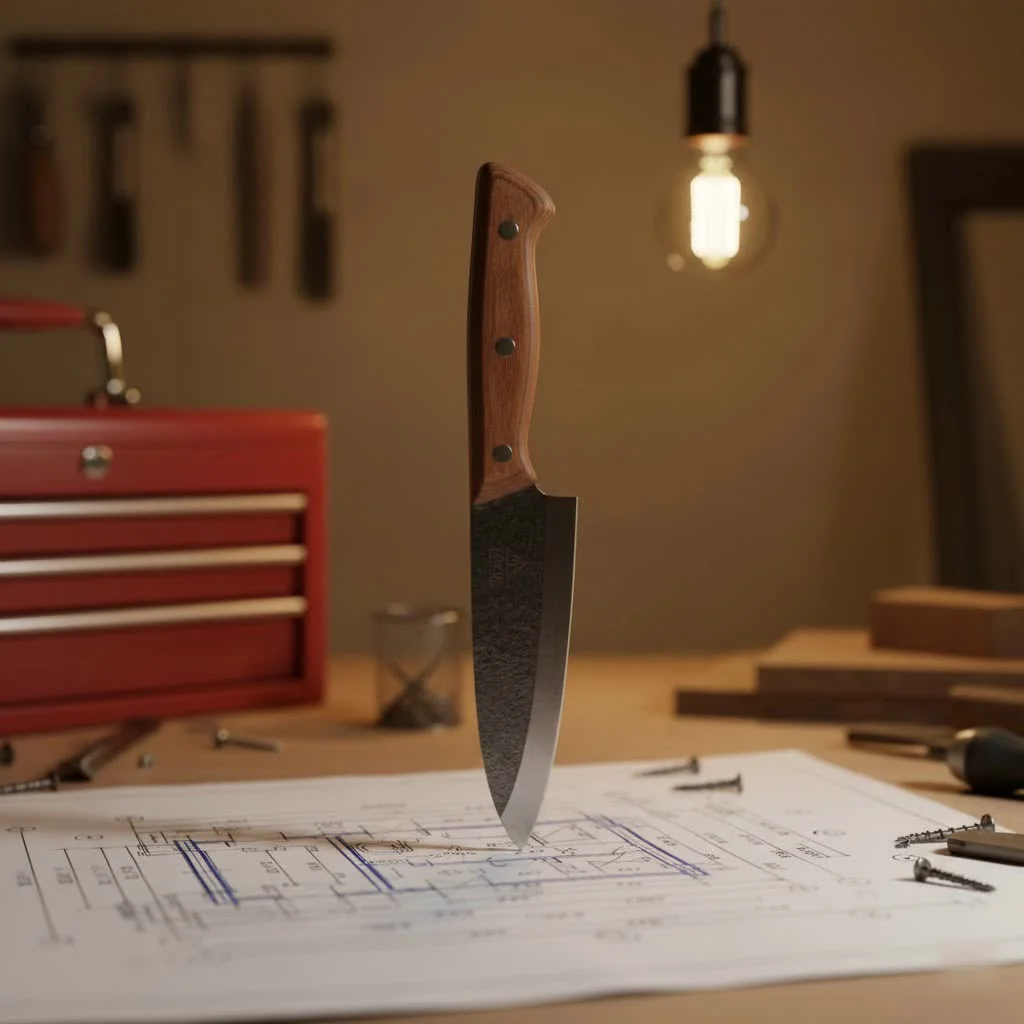
A kitchen utility knife is a versatile, multi-purpose blade typically ranging from 4.5 to 7 inches in length, designed to bridge the gap between a chef’s knife and a paring knife. This intermediate size provides a unique balance of maneuverability and cutting power, making it ideal for a wide array of everyday culinary tasks such as slicing vegetables, trimming meats, and preparing sandwiches.
What Defines a Kitchen Utility Knife?
A kitchen utility knife is precisely what its name suggests: a multi-purpose knife designed for general use. Typically ranging between 4.5 and 7 inches in blade length, it’s larger than a paring knife but more compact than a chef’s knife. This intermediate size grants it a unique balance of maneuverability and cutting power, making it perfectly suited for tasks that might feel awkward with either a very small or very large blade. Utility knives can feature either a straight edge for smooth, clean cuts or a serrated edge, which excels at slicing through items with tougher exteriors or delicate interiors. For browse all kitchen knives articles on this site.
The Versatile Applications of Your Kitchen Utility Knife
The true value of a utility knife lies in its exceptional versatility. It’s the go-to knife for those in-between tasks where precision meets practicality.
- Fruits and Vegetables: It effortlessly handles medium-sized produce like cucumbers, bell peppers, apples, and larger potatoes. Its nimble blade is also ideal for intricate work such as peeling and segmenting citrus fruits like oranges and grapefruits, or deseeding chilies.
- Meats and Seafood: From trimming fat off cooked chicken breasts to slicing deli meats for sandwiches, the utility knife performs admirably. It’s also adept at preparing smaller fish fillets or deveining shrimp, offering the control needed for these delicate tasks. A serrated utility knife can even double as a steak knife, cutting through cooked meats with ease.
- Cheeses: Whether you’re slicing through a block of hard cheddar or portioning a soft brie for a charcuterie board, a utility knife provides clean, precise cuts.
- Sandwiches and Baked Goods: Its size is perfect for slicing sandwiches, bagels, and smaller loaves of bread without crushing the ingredients. For bakers, a serrated utility knife can even be used to level cake layers or slice tender pastries.
- Herbs and Nuts: The sharp, often pointed tip of a utility knife makes quick work of mincing fresh herbs or finely chopping nuts for garnishes or recipes.
Why a Utility Knife is a Must-Have in Your Kitchen
|
Our Picks for the Best Kitchen Knife in 2026
As an Amazon Associate I earn from qualifying purchases.
|
||
| Num | Product | Action |
|---|---|---|
| 1 | Cuisinart, Classic® ColorCore® Collection, C77CR-10PW |

|
| 2 | Tramontina Chef\'s Knife, Plenus, 7 Inches, Black, Dishwasher Safe, Ultra Lightweight, Made in Brazil, 23426/107 TRAMONTINA |
|
| 3 | WÜSTHOF Classic 5\" Utility Knife, Black, Stainless Steel |
|
| 4 | Farberware Edgekeeper 7-Inch Santoku Knife with Self-Sharpening Blade Cover, High Carbon-Stainless Steel Kitchen Knife with Ergonomic Handle, Razor-Sharp Knife, Black |
|
| 5 | Mercer Culinary BPX Chef\'s Knife, 6-Inch |
|
| 6 | HENCKELS Modernist Razor-Sharp 8-inch Carving Knife, German Engineered Informed by 100+ Years of Mastery, Gray |
|
| 7 | Shun Cutlery Premier Chef\'s Knife 8”, Thin, Light Kitchen Knife, Ideal for All-Around Food Preparation, Authentic, Handcrafted Japanese Knife, Professional Chef Knife |
|
| 8 | Shun Classic Blonde 6\" Chef\'s Knife, Handcrafted Japanese Kitchen Knife for Professional and Home Chefs, VG-MAX Core with Damascus Stainless Steel Cladding, Pakkawood Handle |
|
| 9 | Rynal Ceramic Knife - 8 inch Chef\'s Knife - Light, Precise, Sharp Ceramic Kitchen Knife with Sheath Cover |
|
| 10 | HAUSHOF Steak Knives Set of 4, Sharp Serrated Steak Knives, Premium Stainless Steel Steak Knife Set with Gift Box, Black Handle |
|
Beyond its diverse uses, integrating a utility knife into your kitchen arsenal offers several distinct advantages:
- Optimized Efficiency: It streamlines meal preparation by providing the right tool for a broad spectrum of cutting tasks, preventing the need to constantly switch between a paring knife and a chef’s knife.
- Space-Saving Solution: For those with limited kitchen space or a preference for minimalism, a utility knife acts as a multi-tasker, reducing the need for an overflowing knife block.
- Enhanced Control and Precision: Its balanced size offers superior control for detailed work, leading to more precise cuts and safer handling than a larger, heavier chef’s knife might provide for smaller items.
Choosing Your Ideal Kitchen Utility Knife
When selecting a utility knife, consider these key factors to ensure it meets your culinary needs:
- Blade Material: High-carbon stainless steel is a popular choice, known for its excellent edge retention, sharpness, and resistance to corrosion. Japanese VG-10 steel offers similar benefits, often with a slightly harder blade.
- Edge Type: A straight edge is best for push cuts and fine slicing, while a serrated edge excels at tackling items with firm exteriors or delicate interiors. Some knives feature a partial serration for dual functionality.
- Handle Design and Balance: Look for an ergonomic handle that feels comfortable and secure in your hand, even when wet. A full-tang construction, where the blade extends through the entire handle, provides optimal balance and durability. Adequate knuckle clearance is also important for comfortable use.
- Length: While the standard range is 4.5 to 7 inches, consider the types of tasks you’ll most frequently perform. A slightly shorter blade might offer more agility, while a longer one can handle larger produce.
Caring for Your Utility Knife
To maintain its performance and longevity, always hand wash your utility knife with mild soap and warm water immediately after use, then dry it thoroughly. Regular honing will help maintain its edge between sharpenings, and occasional professional sharpening will restore its razor-sharp precision.
The kitchen utility knife, though often overshadowed, is a powerful ally in the kitchen. Its exceptional versatility, ergonomic design, and ability to handle a vast array of tasks make it an indispensable tool for home cooks and seasoned chefs alike, truly earning its place as an unsung hero of culinary preparation.
Frequently Asked Questions
What is the typical blade length of a kitchen utility knife?
A kitchen utility knife typically has a blade length ranging between 4.5 and 7 inches. This intermediate size allows it to handle tasks that are too large for a paring knife but too small for a chef's knife, offering balanced maneuverability.
What are the main uses for a kitchen utility knife?
The kitchen utility knife is highly versatile, suitable for tasks like slicing medium-sized fruits and vegetables, trimming fat from meats, preparing smaller fish fillets, slicing cheeses, and cutting sandwiches. Its balanced size makes it ideal for precision and practicality.
Should I choose a straight or serrated edge for my utility knife?
The choice between a straight or serrated edge depends on your primary tasks. A straight edge is best for smooth, clean push cuts and fine slicing, while a serrated edge excels at cutting through items with tough exteriors or delicate interiors, such as bread or tomatoes.
What material is best for a utility knife blade?
High-carbon stainless steel is a popular choice for utility knife blades due to its excellent edge retention, sharpness, and resistance to corrosion. Japanese VG-10 steel also offers similar benefits, often with a slightly harder blade for enhanced durability.
How do I properly care for my kitchen utility knife?
To maintain your utility knife's performance, always hand wash it with mild soap and warm water immediately after use, then dry it thoroughly. Regular honing helps maintain its edge between sharpenings, and occasional professional sharpening will restore its razor-sharp precision.
Choosing Your Ideal Kitchen Utility Knife
Selecting the right kitchen utility knife involves considering several key factors to ensure it meets your culinary needs and provides optimal performance.
Opt for high-carbon stainless steel or Japanese VG-10 steel for excellent edge retention, sharpness, and corrosion resistance. These materials ensure durability and consistent cutting performance over time.
Decide between a straight edge for precise push cuts and fine slicing, or a serrated edge for items with tough exteriors or delicate interiors. Some knives offer partial serration for dual functionality, providing versatility for various tasks.
Look for an ergonomic handle that feels comfortable and secure in your hand, even when wet. A full-tang construction provides optimal balance and durability, while adequate knuckle clearance is crucial for comfortable and safe use.
While the standard range is 4.5 to 7 inches, consider the types of tasks you'll most frequently perform. A slightly shorter blade offers more agility for intricate work, while a longer one can handle larger produce more effectively.
Cooking gear we tested in our own kitchens
Free PDF — preheat times measured on 10 popular air fryers.

I bought this knife hoping it would bridge the gap between my paring knife and chef’s knife, and while it does a decent job for general tasks, I found the 4.5-inch version a bit too short for some of the larger vegetables I cut. It’s good for smaller items, but I wish I’d gone for a slightly longer blade. Still, it’s sharp and gets the job done for basic trimming.
Finally, a knife that’s truly multi-purpose! I was tired of switching between different blades for every little thing. This utility knife, especially the one around 6.5 inches, has been fantastic for everything from dicing onions to breaking down a chicken. It holds an edge really well and feels balanced in my hand. A real workhorse in my kitchen.
This utility knife has become my go-to for sandwich prep and other quick tasks. It handles everything from tomatoes to deli meats with ease, and the sharpness out of the box was impressive. My only minor gripe is that the handle feels a little light compared to some of my other knives, but it’s still comfortable enough for extended use. Great value for the price.
I’ve been looking for a knife that’s not too big and not too small, and this utility knife is exactly what I needed. It’s perfect for slicing vegetables and trimming smaller cuts of meat without feeling cumbersome. The 6-inch blade is just right for my hands, making prep work so much faster and more enjoyable. Highly recommend it for anyone who wants a versatile everyday knife.